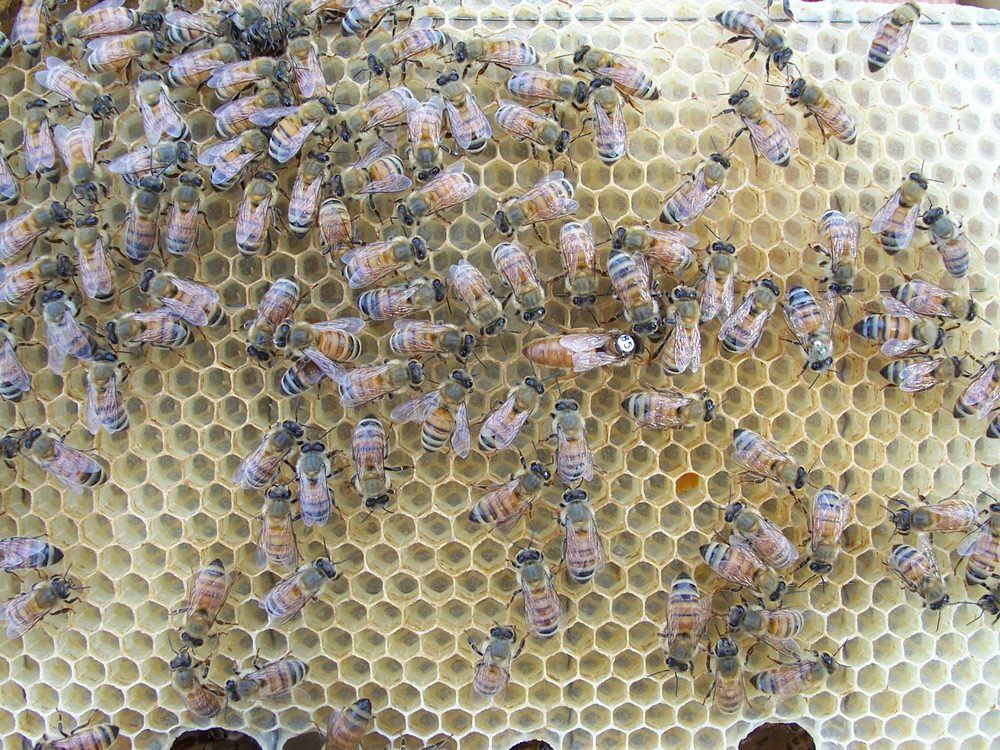
About Saul Creek Apiary
Saul Creek Apiary is a honey-focused operation based in Seguin, Texas, a town along the Guadalupe River in Guadalupe County. Seguin sits between San Antonio and New Braunfels, in a region with a strong German agricultural heritage and productive land well-suited to beekeeping. The apiary specializes in honey production, which positions them squarely in the heart of what makes Texas beekeeping valuable. Without a published rating yet, this apiary is building its reputation through the quality of its product and its connection to the South Texas Plains and Hill Country forage.
Services
Services & Process
As a honey-focused apiary, Saul Creek likely offers raw or minimally processed local honey harvested from hives managed in the Seguin area. Local Texas honey carries distinct flavor profiles depending on what's blooming, from mesquite and huajillo in the spring to wildflowers and clover through summer. The apiary may also sell beeswax, honeycomb, or other hive-derived products directly. For beekeepers looking to connect with a regional producer, apiaries like this one can also serve as informal resources for local colony management advice and sourcing bees adapted to the South Central Texas climate.
Service Area
Saul Creek Apiary is based in Seguin and serves customers in Guadalupe County and the surrounding region. The apiary is conveniently located for buyers coming from New Braunfels, San Marcos, Luling, and San Antonio. South Central Texas has a strong community of backyard and commercial beekeepers, and local honey from this area is increasingly sought after by customers who prefer to buy close to home.
Frequently Asked Questions
What types of honey does a Texas apiary near Seguin typically produce?
Is raw local honey different from grocery store honey?
Can I buy directly from a local apiary in Seguin?
What should I look for when buying honey from a local beekeeper?
Does South Central Texas honey have specific health benefits compared to honey from other regions?
How do Central Texas beekeepers manage their hives through the hot summers?
Is this your business?
Claim your listing to update your info and connect with customers.
Claim This ListingMore Beekeepers
Beekeeper? Get your 12-month treatment plan
A calendar for your winter pattern, method cards, and per-hive logs, built from your yard.