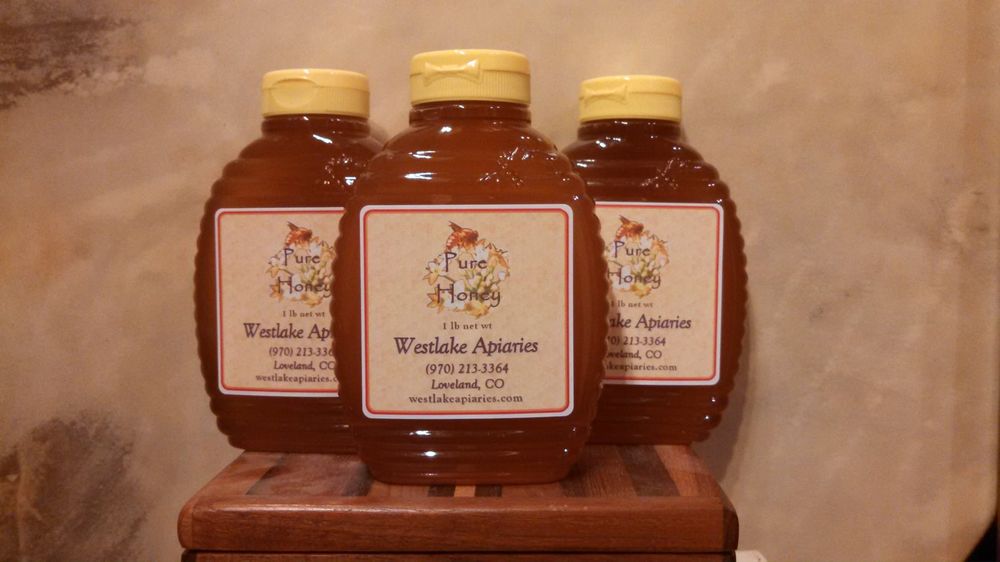
About Westlake Apiaries
Westlake Apiaries operates out of Loveland, Colorado, a city surrounded by agricultural land and positioned between Fort Collins and the foothills of Rocky Mountain National Park. That geography makes Loveland genuinely good honey country, with diverse wildflower forage from nearby meadows and irrigated farmland throughout Larimer County. As a honey-focused apiary, Westlake brings specialized knowledge about local nectar sources and honey production that generalist suppliers can't match. If you're looking for raw local honey or guidance on maximizing your own hive's honey output, this is a strong starting point.
Services
Services & Process
Westlake Apiaries centers its work around honey production and the services that support it. This likely includes honey extraction services for beekeepers who don't own extraction equipment, as well as the sale of locally produced raw honey. They may also offer packaged bees or nucs during spring, helping new and returning beekeepers get colonies established in time for Larimer County's bloom season. For commercial or hobbyist producers interested in improving honey quality, an apiary with this depth of focus can advise on extraction timing, filtration, and storage practices.
Service Area
Westlake Apiaries serves Loveland, Colorado and the broader Larimer County area. Nearby communities including Fort Collins, Berthoud, and Estes Park are within reasonable range, and the apiary's knowledge of local forage conditions is relevant across the northern Front Range corridor.
Frequently Asked Questions
What makes Loveland a good area for honey production?
Can I bring my own supers to an apiary for honey extraction?
What's the difference between raw and processed honey?
When is the main honey harvest season in Loveland, Colorado?
How do I know if a colony is ready to harvest honey?
Does buying local honey really help with allergies?
Is this your business?
Claim your listing to update your info and connect with customers.
Claim This ListingMore Beekeepers
Beekeeper? Get your 12-month treatment plan
A calendar for your winter pattern, method cards, and per-hive logs, built from your yard.