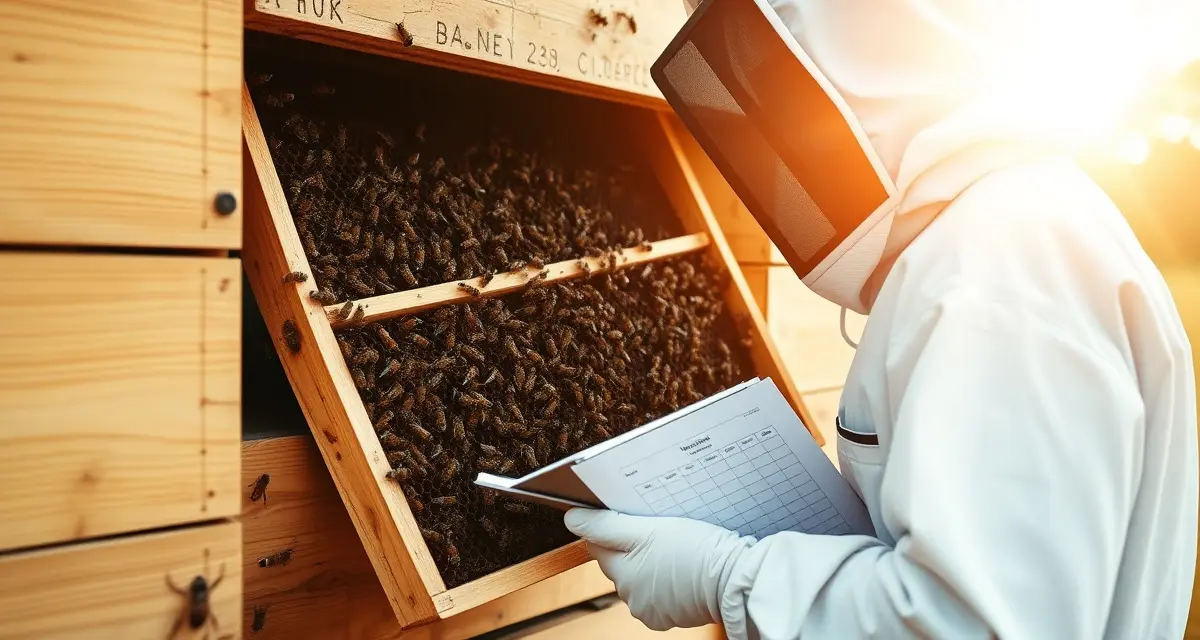
State Inspection Requirements for Treated Bee Hives
Most US states require some form of hive registration or inspection for commercial beekeepers, and many have reporting requirements tied to varroa treatment or colony health. Requirements vary significantly by state.
Here's what you generally need to know, and how to make sure your records are ready for any state inspection.
TL;DR
- Most US states require apiaries to maintain varroa treatment records available for inspection on request
- Records must include: product name, EPA registration number, application date, hive ID, and applicant name
- Commercial operations with pollination contracts may face additional compliance documentation requirements
- USDA APHIS has increased attention on treatment resistance management as part of honey bee health initiatives
- Digital records with timestamping and audit trails meet higher evidentiary standards than handwritten notebooks
- VarroaVault generates formatted PDF exports suitable for state apiarist inspections in under 60 seconds
Why State Inspections Matter for Varroa Management
State apiary inspection programs exist primarily to control the spread of American foulbrood (AFB) and other legally notifiable diseases. However, many states now include varroa monitoring and treatment compliance in their inspection criteria or strongly encourage documentation.
For commercial beekeepers moving colonies across state lines, interstate movement permits are standard and typically require documentation of colony health status, increasingly including pest management practices.
Common State Requirements
Hive registration: Most states require commercial beekeepers (and many require hobby beekeepers above a threshold colony count) to register hives with the state department of agriculture. Registration typically costs little or nothing but provides the state apiarist with a hive count and location.
Movement permits: Moving colonies into a new state usually requires a health certificate from a state or USDA-accredited veterinarian or apiarist. Some states require a Certificates of Inspection showing colonies are free from regulated diseases.
Treatment records: While most states don't mandate varroa treatment records for hobby beekeepers, commercial operations are increasingly expected to maintain them. In states with active varroa monitoring programs, documentation of treatment practices may be requested during inspections.
USDA APHIS reporting: For operations participating in federal honey bee health surveys or pollination services crossing state lines, USDA APHIS may request treatment and colony health data. This is separate from state-level requirements.
What a State Inspector May Ask About
During a hive inspection, a state apiarist may ask about:
- Recent mite counts or monitoring frequency
- What treatments were used and when
- Whether honey supers were present during synthetic treatment
- Pre-harvest intervals for the most recent treatment
Being able to answer these questions from records, not from memory, demonstrates a managed approach to colony health and is the expectation in commercial operations.
How to Prepare for a State Inspection
Maintain treatment records: Date of application, product, lot number, hive identification, and removal date for every treatment. VarroaVault stores this automatically.
Maintain count records: Mite count data showing monitoring frequency and the basis for treatment decisions.
Know your product labels: Keep current product labels accessible. Inspectors may ask about treatment protocol and compliance with label requirements.
Register your hives: If your state requires registration, stay current. Unregistered operations can face compliance issues that a routine inspection turns into a larger problem.
FAQ
Are beekeepers required to report varroa treatments to the state?
Most states don't require routine reporting of varroa treatments for hobbyist operations. Commercial operations, particularly those involved in pollination services or interstate movement, may be subject to health documentation requirements that include pest management records. Contact your state department of agriculture or state apiarist for requirements in your state.
What records do I need for interstate colony movement?
Interstate movement typically requires a Certificate of Health issued by an accredited veterinarian or your state apiarist, and may require proof of treatment for certain pests. Requirements vary by destination state. Check USDA APHIS and your destination state's apiculture program requirements before moving colonies.
Can varroa treatment records affect my honey sales compliance?
For direct sales at farm stands and farmers markets, treatment records are typically not required. For wholesale, certified organic sales, or export, buyers and certifiers may require treatment documentation. Maintaining VarroaVault records regardless of current requirements positions you to meet any future documentation requests.
How do I know if my varroa treatment is working?
Run a mite count 2-4 weeks after the treatment ends and compare it to your pre-treatment count. The efficacy formula is: ((pre-count - post-count) / pre-count) x 100. A result above 90% indicates effective treatment. Results below 80% should trigger investigation for possible resistance, application error, or reinfestation. Log both counts in VarroaVault to track efficacy trends across treatment cycles.
How often should I check mite levels in my hives?
At minimum, once per month (every 3-4 weeks) during the active season. Increase to every 2 weeks when counts are near threshold or after a treatment to verify it worked. In fall, monitoring frequency matters most because the window to treat before winter bees are raised is narrow. VarroaVault's monitoring reminders can be set to your preferred interval for each apiary.
What records should I keep for varroa management?
Each record should include: date of count or treatment, hive identifier, monitoring method used, number of bees sampled, mites counted, infestation percentage, treatment product name and EPA registration number, dose applied, treatment start and end dates, and PHI end date. State apiarists typically expect this level of detail during inspections. VarroaVault captures all of these fields in a single log entry.
What is State Inspection Requirements for Treated Bee Hives?
State inspection requirements for treated bee hives refer to the regulatory obligations that US state apiary programs place on beekeepers to document and report varroa mite treatments. Most states require records including the treatment product name, EPA registration number, application date, hive ID, and applicant name. Commercial operations and those with pollination contracts often face stricter compliance standards. These requirements help state apiarists monitor treatment resistance and overall colony health across apiaries.
How much does State Inspection Requirements for Treated Bee Hives cost?
State inspection compliance itself carries no direct fee for maintaining treatment records — it is a regulatory obligation, not a paid service. However, beekeepers may incur costs for record-keeping tools or software. VarroaVault simplifies compliance by generating inspection-ready PDF reports in under 60 seconds, potentially saving hours of manual documentation work and reducing the risk of non-compliance penalties during state apiarist visits.
Sources
- American Beekeeping Federation (ABF)
- USDA ARS Bee Research Laboratory
- Honey Bee Health Coalition
- Penn State Extension Apiculture Program
- Project Apis m.
Records You'll Never Regret Keeping
State requirements aside, complete treatment and monitoring records protect you at every level, from a state inspection to a buyer audit to your own year-over-year analysis of what's working. VarroaVault maintains those records automatically. Start your free trial today.
Get Started with VarroaVault
The information in this guide is most useful when you have your own mite count data to apply it to. VarroaVault stores every count, flags threshold crossings automatically, and builds the treatment history you need for state inspections and effective management decisions. See pricing and free tools at varroavault.com.