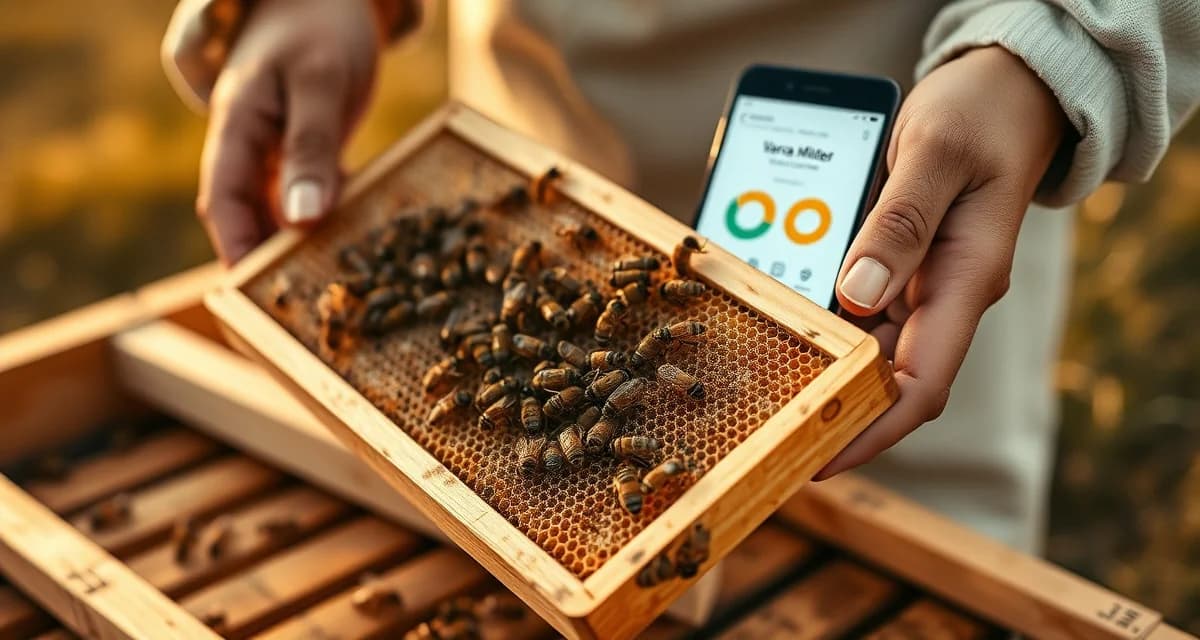
Varroa Tracking Software for Hobby Beekeepers With 1 to 10 Hives
Software is a word that makes some hobby beekeepers think "commercial operation" and stop paying attention. That is a mistake. Even with two or three hives, keeping mite count data and treatment records in a structured system is better than keeping them in a spiral notebook or not at all. The difference is not about operation size. It is about having usable data rather than fragmentary notes.
Why Hobby Beekeepers Benefit From Tracking Software
A notebook with mite counts in it is better than nothing. But a notebook does not tell you that hive 2 is overdue for a count, does not calculate infestation rates from raw numbers, does not alert you when you cross the treatment threshold, and does not show you a trend chart for last season. Software does all of these things.
With just a few hives, you might think these features are unnecessary. You know all your hives individually. You probably remember roughly when you last counted. But "roughly" is not good enough for varroa. Mite populations double in a matter of weeks. A count you thought was three weeks ago that was actually five weeks ago is a meaningful difference.
The other thing that notebooks cannot do is help you look back at a failed colony and understand what happened. If a hive dies over winter, the question is why. If you have mite count records from the previous August showing counts above threshold that you treated for, and a post-treatment count that showed adequate knockdown, you have data. If the last mite count in your notebook was from June with no follow-up, you have a question mark.
What a Hobby Beekeeper Actually Needs From Software
The needs of a 3-hive operation are different from a 100-hive commercial operation. You do not need batch treatment entry, multi-user access, or pollination contract management. You do need:
- Simple mite count entry with automatic infestation rate calculation
- A treatment log with product, date, and duration
- Alerts when a hive is above threshold or overdue for a count
- A view that shows the mite count trend for each hive over time
- Pre-harvest interval tracking if you are making honey
These are not complicated features. They are the minimum viable toolkit for managing varroa responsibly.
App Versus Notebook
The practical argument for an app over a notebook is availability. Your phone is always with you. Your notebook might be at home. When you count mites in the field, the most accurate record is the one entered immediately. If you write numbers on a scrap of paper and transcribe them later, transcription errors happen. If you enter directly into an app, the timestamp is accurate and the data is in the system immediately.
For a hobby beekeeper, offline capability matters. Rural bee yards often have no cell service. An app that stores data locally and syncs when you return to coverage works where a cloud-only system does not.
Choosing the Right Tool for a Small Operation
Look for software that does not require a significant time investment to set up. If onboarding takes more than 30 minutes for a 5-hive operation, the interface is probably overbuilt for your needs. You should be able to create your hive records, configure a monitoring interval, and enter your first mite count within 15 minutes of signing up.
Free tiers are appropriate for hobby operations. Most serious varroa tracking platforms have a free or low-cost tier that covers small hive counts. If a platform requires a commercial subscription to access basic mite count tracking and threshold alerts, it is targeting a different user.
VarroaVault's hobby tier is designed for beekeepers with a small number of hives who want genuine varroa management capability without commercial-scale complexity. Mite count entry is fast, the threshold alert is automatic, and the treatment log captures everything you need without asking for fields you do not use.
Getting Started With Just One Hive
If you have one hive and feel like software is overkill, consider this: the most common reason first-year beekeepers lose their colonies is untreated varroa. The most common reason they did not treat is they did not know the mite count was above threshold. They either never counted, counted but did not know the threshold, or counted and then forgot about it before taking action.
Software that alerts you when your single hive is above threshold and reminds you when it is time to count again removes the "forgot about it" failure mode entirely. For a first-year beekeeper who is learning everything at once, outsourcing the "remember to check" function to an app is a genuinely valuable use of technology.
See the first-year beekeeper varroa guide for a complete introduction to the monitoring and treatment workflow that software supports.
FAQ
What is Varroa Tracking Software for Hobby Beekeepers With 1 to 10 Hives?
Varroa tracking software for hobby beekeepers with 1 to 10 hives is a digital tool that replaces handwritten notes with structured mite count records, treatment logs, and trend data. It calculates infestation rates automatically, alerts you when counts approach treatment thresholds, and stores a full history for each hive. Unlike a notebook, it actively helps you interpret your data rather than just holding it.
How much does Varroa Tracking Software for Hobby Beekeepers With 1 to 10 Hives cost?
Most varroa tracking software aimed at hobby beekeepers is free or low-cost. Several apps are free with optional paid tiers for advanced features. Paid plans typically run between $5 and $20 per month, or offer a one-time purchase option. For beekeepers with fewer than ten hives, free tiers are usually sufficient. The cost is minimal compared to a lost colony.
How does Varroa Tracking Software for Hobby Beekeepers With 1 to 10 Hives work?
You log mite counts after each alcohol wash or sticky board check, along with the hive ID, date, and sample size. The software calculates your infestation rate, compares it to established treatment thresholds, and flags hives that need attention. You also log treatments, notes, and inspection results. Over time it builds a timeline for each hive that you can review to spot patterns.
What are the benefits of Varroa Tracking Software for Hobby Beekeepers With 1 to 10 Hives?
The main benefits are accuracy, consistency, and retrospective clarity. Software calculates infestation rates correctly every time, reminds you when counts are overdue, and shows trend lines across months and seasons. If a colony fails, you can trace back through its records and understand why. For small operations, the biggest benefit is simply having reliable data instead of approximate memories.
Who needs Varroa Tracking Software for Hobby Beekeepers With 1 to 10 Hives?
Any beekeeper managing at least one hive benefits from varroa tracking software, but it is especially useful for hobbyists who inspect infrequently or manage hives across multiple locations. If you keep two or three hives as a hobby and rely on memory to track mite levels, you are the exact user this software is built for. You do not need a large operation to need accurate data.
How long does Varroa Tracking Software for Hobby Beekeepers With 1 to 10 Hives take?
The actual time investment is small. Logging a mite count takes under two minutes per hive. Reviewing your dashboard or trend charts takes another few minutes during or after an inspection. Setup across all your hives typically takes under an hour the first time. The software does the calculation and alerting automatically, so ongoing time per hive per month is closer to five minutes than fifty.
What should I look for when choosing Varroa Tracking Software for Hobby Beekeepers With 1 to 10 Hives?
Look for automatic infestation rate calculation, per-hive treatment threshold alerts, and a clear inspection history timeline. Mobile access matters if you log data at the hive rather than later at home. The interface should require minimal steps per entry so you actually use it in the field. Bonus features worth having include treatment efficacy tracking and the ability to export your data if you ever switch platforms.
Is Varroa Tracking Software for Hobby Beekeepers With 1 to 10 Hives worth it?
For most hobby beekeepers, yes. Varroa is the leading cause of colony loss, and loss is expensive in both money and time. A single missed treatment window can cost you a hive. Software makes it harder to miss that window by keeping counts current and visible. The value is not in the software itself but in the decisions it enables. Better data leads to better timing, and better timing saves colonies.