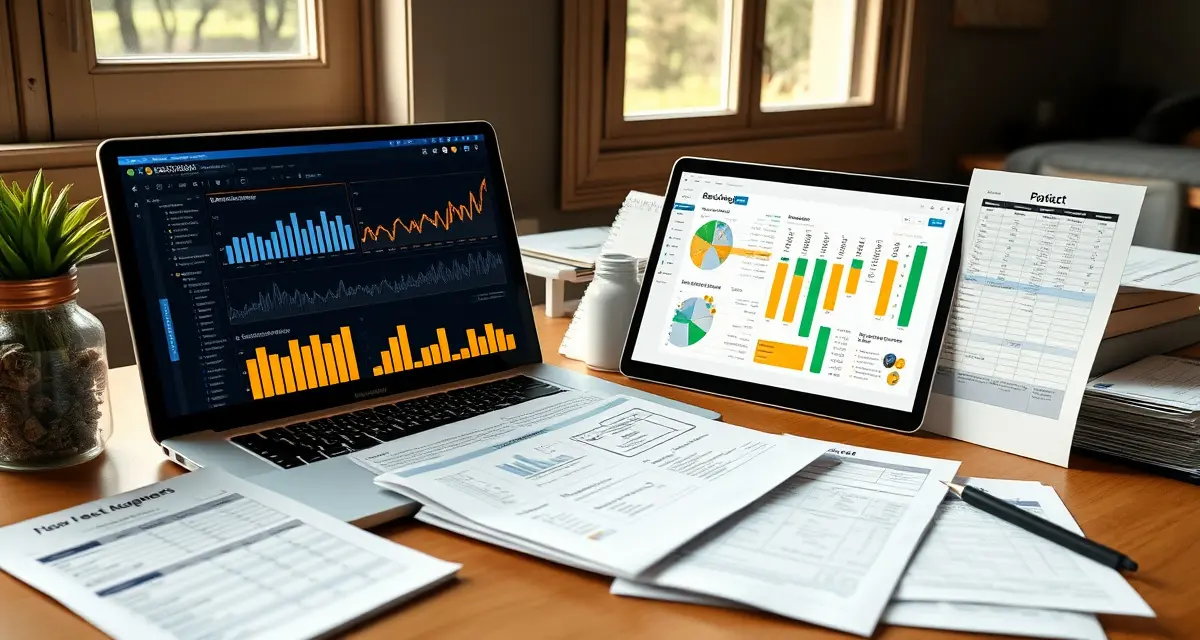
Replace Your Beekeeping Excel Spreadsheet With VarroaVault
Excel is a perfectly good tool. It's flexible, it's familiar, and for a lot of commercial beekeepers it's what they've used for years to track treatments, mite counts, and harvest records. There's no shame in being an Excel user.
But Excel is a data entry tool, not a management tool. It stores what you tell it. It doesn't calculate when your PHI ends, it doesn't alert you when mite counts cross threshold, and it definitely doesn't schedule a monitoring reminder 30 days after your last treatment. You have to do all of that yourself, every time, without missing anything.
Commercial beekeepers using Excel spend an average of 8 hours per week on manual record calculations that VarroaVault automates. That's a full workday, every week, spent on math and calendar management that software handles in the background.
TL;DR
- Excel spreadsheets can track mite counts but require manual formula setup and break down across multiple apiaries
- Excel lacks automatic PHI calculation, treatment threshold flagging, and state inspection export formatting
- A spreadsheet will not alert you when a hive crosses threshold or when a PHI deadline is approaching
- Switching from Excel to VarroaVault preserves your historical data via CSV import
- VarroaVault calculates efficacy scores automatically from your pre/post count entries
- For operations with 5 or more hives, the time savings from automatic threshold alerts pays for itself quickly
What Excel Can't Do That Actually Matters
Real-Time Threshold Alerts
Your Excel spreadsheet won't text you when a colony crosses 2%. You check it when you remember to check it. An alert system needs to live somewhere that pushes information to you, not waits for you to pull it.
VarroaVault evaluates every count entry against your threshold setting the moment you log it. If you're above threshold, you know immediately. You don't need to open a spreadsheet, run a formula, or color-code a cell.
PHI Countdown That Runs Automatically
In Excel, tracking pre-harvest intervals means building a formula that calculates days from the treatment date, then checking that cell before every harvest. You have to remember to check. You have to make sure the formula is correct. You have to update it when a new treatment is logged.
VarroaVault starts a PHI countdown automatically when you log a treatment. The countdown is visible on the hive dashboard. When it hits zero, the hive is cleared for harvest. There's no formula to build or check.
Post-Treatment Monitoring Reminders
Excel doesn't send you reminders. A 30-day post-treatment follow-up count is the standard for catching reinfestation or treatment failure. In an Excel-managed operation, that reminder either lives in a calendar app, on a sticky note, or doesn't happen at all.
VarroaVault schedules the follow-up reminder automatically. You don't have to add it to your calendar.
Treatment Efficacy Scoring
Calculating efficacy from a pre-treatment and post-treatment count pair in Excel requires you to maintain clean count records linked to treatment dates, then build the formula yourself. Most Excel users don't do this, because it's tedious and error-prone. Which means they never find out whether their treatment actually worked.
VarroaVault pairs count entries to treatment records automatically and shows efficacy percentage without any manual calculation.
State-Formatted Compliance Exports
If a state inspector asks for your treatment records, what do you hand them? An Excel file isn't always acceptable. Some states require records in specific formats with specific fields. Building a formatted compliance export from Excel means manually creating a document that looks right, every time.
VarroaVault generates a one-click compliance PDF signed with your account name and dated for same-day inspector submission.
Migrating Your Excel Data to VarroaVault
This is the question most Excel users ask first: what happens to my historical data?
VarroaVault's Excel migration tool imports your existing spreadsheet data in 3 steps without manual re-entry. You export your spreadsheet as CSV, map your column headers to VarroaVault field names through the import wizard, and confirm the import. Your historical treatment dates, mite counts, and colony records come through cleanly.
The import handles the most common spreadsheet formats. If your spreadsheet has custom columns or unusual structures, the field-mapping step lets you handle that manually. For most beekeepers with a standard treatment log, the import takes under 30 minutes for a full season of records.
After import, your historical data is available for trend analysis, efficacy review, and audit purposes. You'll have the benefits of VarroaVault going forward while keeping your existing record history intact.
VarroaVault vs Excel: Side-by-Side
| Capability | Excel | VarroaVault |
|---|---|---|
| Store treatment records | Yes | Yes |
| Automatic threshold alerts | No (formula required) | Yes |
| PHI countdown | No (formula required) | Yes, automatic |
| Post-treatment reminders | No | Yes, automatic |
| Treatment efficacy scoring | No (formula required) | Yes, automatic |
| State compliance exports | No (manual) | Yes, one-click |
| Treatment rotation warnings | No | Yes |
| Mite trend graphs | Manual chart building | Automatic |
| Mobile field logging | Limited | Yes, with offline sync |
| Time cost per week | ~8 hours | ~1 hour |
That 8-hour difference is what you're paying for. Some commercial beekeepers are skeptical of that estimate until they actually track their time. Count the minutes you spend: updating treatment dates, checking PHI formulas, cross-referencing last count dates with current season thresholds, building season-end compliance summaries. It adds up faster than expected.
The Cost Argument
VarroaVault Professional for commercial operations is $59/month, or $708 annually. If you're currently spending 8 hours per week on manual record calculations, that's over 400 hours annually. At any meaningful hourly value for your time, $708 is paid back many times over.
The harder number to quantify is the cost of errors. A missed PHI window means unmarketable honey. A missed threshold crossing means a colony you could have saved. An Excel formula with the wrong date means a state inspection that doesn't go well. The actual cost of those mistakes dwarfs any subscription fee.
You can read the full breakdown of how commercial beekeepers track varroa treatments at scale, and learn how to track hive treatments digitally if you're just getting started with the transition.
Frequently Asked Questions
Can I import my existing Excel records into VarroaVault?
Yes. VarroaVault's Excel migration tool imports existing spreadsheet data in 3 steps: export your spreadsheet as CSV, map your column headers to VarroaVault's field names through an import wizard, and confirm. Most beekeepers complete the import in under 30 minutes for a full season of records. Custom column structures are handled through the field-mapping step. Your historical treatment dates, mite counts, and colony records import cleanly and become available for trend analysis and audit review.
What does VarroaVault do that Excel cannot?
VarroaVault does several things Excel fundamentally cannot: it sends push alerts when mite counts cross threshold, it runs PHI countdowns automatically without formula maintenance, it schedules post-treatment monitoring reminders, it calculates and tracks treatment efficacy across multiple treatment cycles, it generates state-formatted compliance record exports with one click, and it flags treatment rotation issues when you've used the same active ingredient too many consecutive cycles. Excel can store data; VarroaVault actively manages it.
Is VarroaVault worth switching from Excel for commercial operations?
For most commercial operations, the answer is yes within the first month. The time savings alone, roughly 8 hours per week in manual calculation and record management, pays for the subscription at any reasonable hourly rate for labor. Beyond time, the compliance record generation, PHI automation, and threshold alert system reduce the risk of the kinds of errors, missed PHI windows, missed threshold crossings, inadequate inspection records, that carry real financial consequences in commercial beekeeping.
How do I know if my varroa treatment is working?
Run a mite count 2-4 weeks after the treatment ends and compare it to your pre-treatment count. The efficacy formula is: ((pre-count - post-count) / pre-count) x 100. A result above 90% indicates effective treatment. Results below 80% should trigger investigation for possible resistance, application error, or reinfestation. Log both counts in VarroaVault to track efficacy trends across treatment cycles.
How often should I check mite levels in my hives?
At minimum, once per month (every 3-4 weeks) during the active season. Increase to every 2 weeks when counts are near threshold or after a treatment to verify it worked. In fall, monitoring frequency matters most because the window to treat before winter bees are raised is narrow. VarroaVault's monitoring reminders can be set to your preferred interval for each apiary.
What records should I keep for varroa management?
Each record should include: date of count or treatment, hive identifier, monitoring method used, number of bees sampled, mites counted, infestation percentage, treatment product name and EPA registration number, dose applied, treatment start and end dates, and PHI end date. State apiarists typically expect this level of detail during inspections. VarroaVault captures all of these fields in a single log entry.
What is Replace Your Beekeeping Excel Spreadsheet With VarroaVault?
VarroaVault is a purpose-built beekeeping management platform designed to replace manual Excel spreadsheets for tracking mite counts, treatments, and hive records. Unlike a generic spreadsheet, it automates PHI (pre-harvest interval) calculations, flags mite threshold breaches, and schedules monitoring reminders automatically. Commercial beekeepers can import existing CSV data from Excel to preserve historical records while gaining tools that actively support decision-making rather than simply storing data they enter manually.
How much does Replace Your Beekeeping Excel Spreadsheet With VarroaVault cost?
VarroaVault offers tiered pricing designed for hobbyist and commercial beekeepers alike. Specific plan costs are available on the VarroaVault pricing page, but the platform is built to deliver clear ROI for commercial operations — given that Excel users spend an average of 8 hours per week on manual calculations VarroaVault automates, the time savings alone typically justify the subscription cost within the first month of use.
How does Replace Your Beekeeping Excel Spreadsheet With VarroaVault work?
VarroaVault works by centralizing your hive data and running automated calculations in the background. You log mite counts, treatments, and harvest data just as you would in a spreadsheet — but the platform then calculates PHI deadlines, compares counts against threshold limits, triggers monitoring reminders, and formats records for state inspection exports. There is no formula setup required, and the system works across multiple apiaries without the complexity of linked spreadsheet tabs.
What are the benefits of Replace Your Beekeeping Excel Spreadsheet With VarroaVault?
The core benefits are time savings, accuracy, and proactive alerts. VarroaVault eliminates the 8 hours per week commercial beekeepers average on manual record calculations. It automatically flags when a hive crosses a mite threshold, warns you before PHI deadlines, and schedules follow-up monitoring without you tracking dates manually. It also handles multi-apiary operations cleanly — something Excel spreadsheets break down on — and produces state inspection-ready exports without reformatting.
Who needs Replace Your Beekeeping Excel Spreadsheet With VarroaVault?
VarroaVault is built for commercial beekeepers who manage multiple hives or apiaries and find Excel increasingly difficult to maintain at scale. If you are manually calculating PHI windows, copying formulas across tabs, or risk missing treatment thresholds because a cell broke, this platform is for you. Hobbyists who want structured records without building their own spreadsheet system will also benefit, as will operations that need to produce clean documentation for state inspectors or compliance purposes.
Sources
- American Beekeeping Federation (ABF)
- USDA ARS Bee Research Laboratory
- Honey Bee Health Coalition
- Penn State Extension Apiculture Program
- Project Apis m.
Get Started with VarroaVault
If your current app is logging treatments without tracking efficacy, you're missing the data that actually tells you whether your varroa management is working. VarroaVault adds automatic efficacy calculation, resistance flagging, and state inspection export to the standard beekeeping app feature set. See pricing and free tools at varroavault.com.