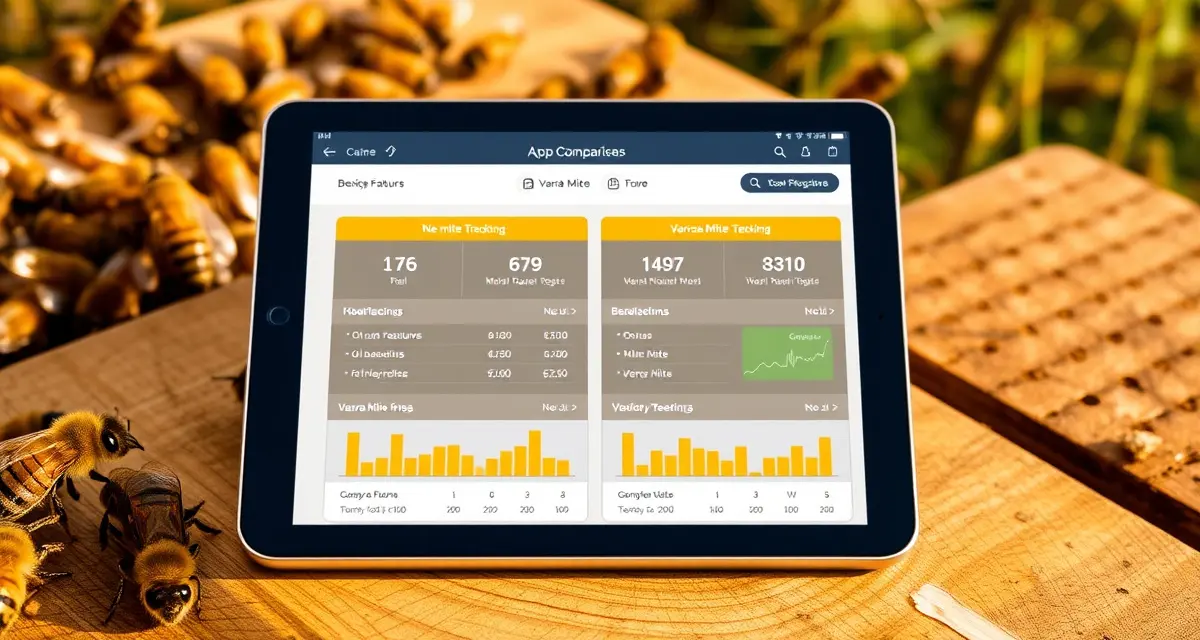
HiveTracks Alternatives: Which Beekeeping App Should You Switch To?
HiveTracks has been the default choice for digital beekeeping records since 2012. It's free, functional, and has a large user community. But "good enough" and "right for my operation" aren't the same thing.
If you're looking to switch, here's how the main alternatives stack up.
TL;DR
- HiveTracks logs treatment events and inspection notes but does not calculate pre/post treatment efficacy automatically
- VarroaVault adds automatic efficacy calculation, resistance trend flagging, and PHI calendar blocking
- Importing HiveTracks data into VarroaVault takes under 30 minutes using the CSV import tool
- VarroaVault generates state inspection-formatted PDF exports; HiveTracks exports raw CSV only
- treatment rotation reminders based on actual efficacy history are available in VarroaVault but not HiveTracks
- VarroaVault's offline mode works without cell service at remote apiaries
TL;DR
| Your Priority | Best Option |
|--------------|-------------|
| Varroa treatment efficacy tracking | VarroaVault |
| Free general inspection log | HiveTracks (stay) |
| Clean mobile UI | BeeKeepPal |
| AI mite detection | BeeScanning |
| Spreadsheet control | Excel/Google Sheets (DIY) |
Why Beekeepers Leave HiveTracks
The most common reasons for switching:
- Varroa management: HiveTracks doesn't do treatment thresholds, efficacy scoring, or resistance tracking
- Scale: Managing 20+ hives across multiple yards in HiveTracks gets unwieldy
- Analytics: Basic reporting with no trend analysis or actionable insights
- UI: Some find the interface dated compared to newer apps
If varroa is the reason you're looking, HiveTracks alternatives include more capable options, but only VarroaVault is purpose-built for the varroa management workflow.
VarroaVault
Best for: Beekeepers whose primary need is data-driven varroa management.
VarroaVault handles the entire count → threshold → treat → verify loop. You can also log general inspections, queen status, and hive health observations, it covers the full inspection record, not just mite data.
The unique features are efficacy scoring (automatic from paired pre/post counts) and resistance tracking (flags declining amitraz efficacy across cycles). These don't exist in any other major beekeeping app.
Pricing: Subscription-based. Free trial available.
BeeKeepPal
Best for: Hobby beekeepers who want a polished mobile app for inspection logging.
BeeKeepPal has a cleaner, more modern UI than HiveTracks. The inspection workflow is smooth. Treatment reminders exist, though they're calendar-based rather than count-driven.
For general hive management, queen tracking, inspection notes, honey harvest records, BeeKeepPal is a solid HiveTracks alternative. For varroa analysis beyond basic logging, it falls short.
Pricing: Free tier with paid premium features.
ApiaryBook
Best for: Beekeepers who need inspection records for compliance purposes.
ApiaryBook focuses on inspection and treatment records with a structure that supports regulatory compliance documentation. Less feature-rich than HiveTracks for community features, but the compliance-oriented structure suits commercial operations that need treatment records for audits.
Limited varroa-specific analytical features.
BeeScanning
Best for: Rough mite monitoring via smartphone camera.
A completely different approach, image-based AI detection rather than manual counting. Quick and non-destructive, but less accurate than alcohol wash and has no management features beyond detection.
Useful as a supplement to a management system, not as a standalone platform.
Spreadsheets (Excel/Google Sheets)
Best for: Beekeepers who want full control and don't mind building their own system.
A well-designed spreadsheet can do everything HiveTracks does for logging, plus efficacy calculations if you build the formulas. The tradeoff is setup time, no mobile optimization, and no automated reminders.
Many commercial beekeepers use a combination: a spreadsheet for analytical records and a simple app for field logging.
Related Articles
FAQ
Is there a free alternative to HiveTracks?
BeeKeepPal has a free tier, as does HiveTracks itself. For varroa-specific management, VarroaVault offers a free trial. None of the free tiers include automatic efficacy scoring or resistance tracking, those are premium features in VarroaVault.
Can I export my HiveTracks data before switching?
HiveTracks supports data export. The format compatibility with other platforms varies. For switching to VarroaVault, starting fresh with new count and treatment records is often simpler than importing years of log entries, since VarroaVault's efficacy tracking requires paired pre and post counts that likely don't exist in prior HiveTracks records.
What does VarroaVault offer that HiveTracks doesn't?
VarroaVault adds: seasonal threshold alerts on every count, automatic efficacy calculation from pre and post counts, resistance pattern detection across amitraz treatment cycles, rotation recommendations based on your actual treatment history, and treatment-window tracking with product-specific reminders (e.g., Apivar day 42 alert).
How do I know if my varroa treatment is working?
Run a mite count 2-4 weeks after the treatment ends and compare it to your pre-treatment count. The efficacy formula is: ((pre-count - post-count) / pre-count) x 100. A result above 90% indicates effective treatment. Results below 80% should trigger investigation for possible resistance, application error, or reinfestation. Log both counts in VarroaVault to track efficacy trends across treatment cycles.
How often should I check mite levels in my hives?
At minimum, once per month (every 3-4 weeks) during the active season. Increase to every 2 weeks when counts are near threshold or after a treatment to verify it worked. In fall, monitoring frequency matters most because the window to treat before winter bees are raised is narrow. VarroaVault's monitoring reminders can be set to your preferred interval for each apiary.
What records should I keep for varroa management?
Each record should include: date of count or treatment, hive identifier, monitoring method used, number of bees sampled, mites counted, infestation percentage, treatment product name and EPA registration number, dose applied, treatment start and end dates, and PHI end date. State apiarists typically expect this level of detail during inspections. VarroaVault captures all of these fields in a single log entry.
What is HiveTracks Alternatives: Which Beekeeping App Should You Switch To??
HiveTracks Alternatives: Which Beekeeping App Should You Switch To? is a comparison guide for beekeepers evaluating whether to leave HiveTracks for a more capable app. It breaks down top alternatives including VarroaVault, BeeKeepPal, BeeScanning, and DIY spreadsheets, comparing features like varroa treatment efficacy tracking, mobile UI, offline mode, and inspection-formatted PDF exports to help beekeepers find the right fit for their operation.
How much does HiveTracks Alternatives: Which Beekeeping App Should You Switch To? cost?
The article itself is free to read. HiveTracks, one of the apps covered, is also free to use. Pricing varies by alternative: VarroaVault, BeeKeepPal, and BeeScanning each have their own subscription or purchase models. If cost is your primary concern, the guide recommends staying on HiveTracks or using a free DIY spreadsheet. Beekeepers who need advanced varroa efficacy tracking or compliance exports should weigh paid options against the operational value they provide.
Sources
- American Beekeeping Federation (ABF)
- USDA ARS Bee Research Laboratory
- Honey Bee Health Coalition
- Penn State Extension Apiculture Program
- Project Apis m.
Make the Switch Count
If you're switching from HiveTracks, switch to something that solves the problem HiveTracks couldn't. For varroa management, that's VarroaVault. For general inspection logging with better UI, BeeKeepPal is worth trying. Start with whatever addresses your specific pain point.
Get Started with VarroaVault
If your current app is logging treatments without tracking efficacy, you're missing the data that actually tells you whether your varroa management is working. VarroaVault adds automatic efficacy calculation, resistance flagging, and state inspection export to the standard beekeeping app feature set. See pricing and free tools at varroavault.com.