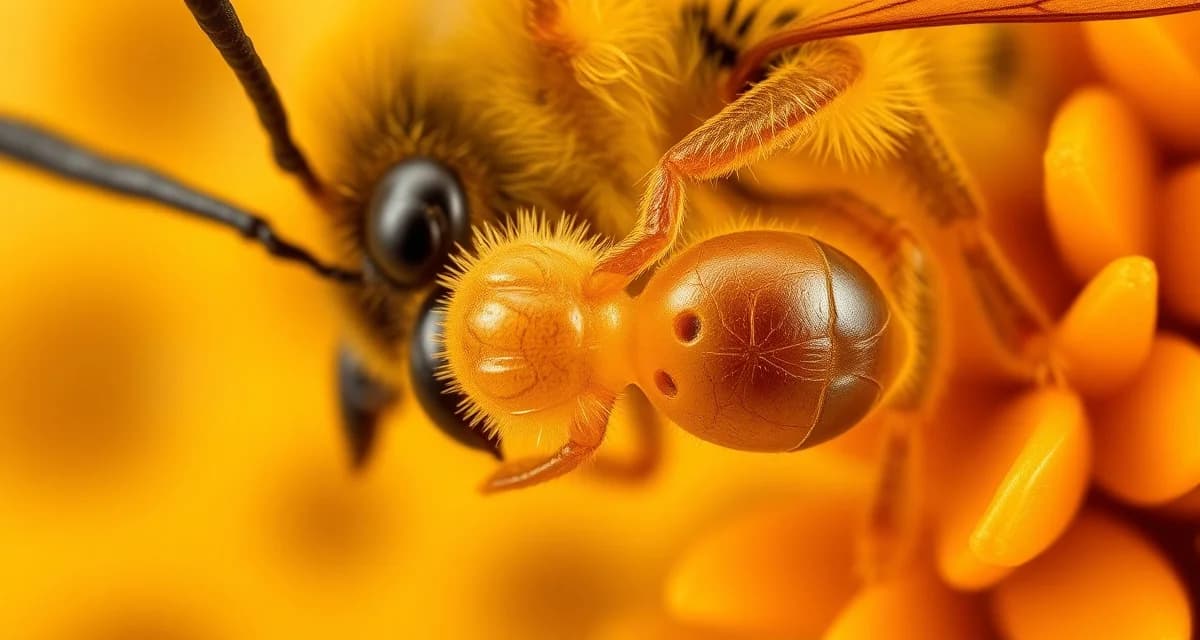
Varroa Mites and Bee Viruses: Why Mite Control is Virus Control
Most beekeepers understand that varroa is bad. Fewer understand exactly why it's so devastating, and the answer goes well beyond the physical damage of mites feeding on developing pupae. Varroa is a virus vector, probably the most efficient one in the insect world. deformed wing virus alone, vectored by varroa, is present in more than 90% of colonies with high mite loads.
When you control your mite population, you're not just reducing the physical burden of feeding mites. You're controlling your colony's virus load. That distinction matters for how urgently you treat and how you interpret colony health.
TL;DR
- This guide covers key aspects of varroa mites and bee viruses: why mite control is virus cont
- Mite monitoring should happen at minimum every 3-4 weeks during active season
- The 2% threshold in spring/summer and 1% in fall are standard action points based on HBHC guidelines
- Always run a pre-treatment and post-treatment mite count to calculate efficacy
- Treatment records including product name, EPA number, dates, and counts are required for state inspection compliance
- VarroaVault stores all monitoring and treatment data with automatic threshold comparison and state export formatting
How Varroa Transmits Viruses
Varroa mites feed on honey bee fat bodies during the pupal stage. During feeding, the mite's mouthparts break through the bee's cuticle. This creates a direct pathway for virus transmission, both from mite to bee and potentially from infected bee tissue into the mite.
A mite that has fed on a virus-carrying pupa carries that virus. When the same mite moves to a new pupa, it can inoculate that pupa during feeding. This isn't passive contact transmission. It's direct inoculation through the same wound used for feeding.
The efficiency of this mechanism is why viral diseases that existed in bee populations for decades before varroa arrived became catastrophic after varroa spread globally. The viruses were always there. Varroa gave them a direct injection pathway into every pupa in the colony.
The Major Viruses Varroa Transmits
Deformed Wing Virus (DWV)
DWV is the most common and devastating varroa-associated virus. Bees infected during the pupal stage emerge with crumpled, stunted wings and shortened abdomens. They can't fly, can't forage, and die within days of emergence. In a colony with high mite loads, large numbers of emerging bees may be DWV-affected, directly reducing the foraging force and accelerating colony decline.
DWV has multiple strains. Strain B (also called DWV-B or Varroa destructor virus-1) appears to be particularly virulent and has been spreading in US colonies over recent years.
Sacbrood Virus (SBV)
Sacbrood causes dead larvae that look like small, watery sacs. It exists at low levels in most colonies but can become symptomatic under immune stress. Varroa-compromised pupae have reduced immune function, which can allow Sacbrood virus to become clinically visible even if the mite load itself isn't the direct cause.
Acute Bee Paralysis Virus (ABPV) and Chronic Bee Paralysis Virus (CBPV)
Both ABPV and CBPV cause shivering, paralysis, and bee die-off. ABPV in particular is directly transmitted by varroa during feeding, and high-mite colonies often show elevated ABPV titers alongside DWV.
Black Queen Cell Virus (BQCV)
BQCV infects and kills queen larvae in developing queen cells. While it's primarily associated with Nosema in some research, varroa-compromised colony immune function appears to increase susceptibility to BQCV infection.
What Virus Load Means for Treatment Urgency
Here's the critical point that changes how you should think about threshold management: by the time DWV symptoms are visible in adult bees, the colony's mite load is typically already above 5%. You're not catching the virus at the beginning. You're seeing the end result of months of viral amplification.
The goal of mite threshold management is to keep the mite population low enough that virus transmission stays at subclinical levels. Colonies with mite loads below 1% have dramatically lower virus titers than those above 3%, even for the same virus that exists in both colonies.
This is why the treatment threshold is a prevention point, not a rescue point. Treating at 2% keeps virus loads from building to damaging levels. Waiting until you see DWV symptoms means you're treating a colony that's already experienced months of viral damage and has a severely compromised population.
Tracking Viral Symptoms Alongside Mite Data
VarroaVault's virus risk section in the hive health log tracks DWV symptoms alongside mite count data. When you log an inspection and note crumpled wing bees, that observation links to your current mite count record. Over time, you build a picture of the relationship between your mite levels and viral expression in each colony.
This correlation matters especially for treatment timing decisions. If a colony historically shows DWV symptoms at 3% mite load, you know you need to treat harder and faster in that colony than one that shows no symptoms at the same level.
Pair your virus symptom logging with your regular count records in VarroaVault's mite count tracking app and review the combined health picture before each treatment decision. The full varroa management context is covered in the complete varroa management guide.
Does Treating for Varroa Actually Reduce Virus Levels?
Yes, and measurably. Research has shown that reducing mite populations below threshold reduces DWV titers in colony bee populations within a single season. You're not eliminating the virus from the colony, but you are removing the primary amplification mechanism. Lower mite loads mean fewer direct inoculation events, which means lower virus titers in developing bees.
Colonies that maintain sub-threshold mite loads consistently over multiple seasons show progressively lower background virus levels than colonies that periodically spike. This is part of why consistent year-round mite management produces healthier colonies than reactive treatment, even when the reactive treatment gets counts down. The cumulative viral damage between threshold crossings matters.
Frequently Asked Questions
What viruses does varroa transmit to honey bees?
Varroa is the primary vector for Deformed Wing Virus (DWV), Acute Bee Paralysis Virus (ABPV), Sacbrood Virus (SBV), Black Queen Cell Virus (BQCV), and several other less common bee viruses. DWV is the most damaging, causing bees to emerge with crumpled wings and shortened abdomens. These viruses existed in bee populations before varroa arrived but became catastrophically widespread after varroa gave them a direct inoculation pathway into every developing pupa.
Does treating for varroa also reduce bee viruses?
Yes. Reducing mite loads below threshold reduces DWV and other varroa-vectored virus titers measurably within a single season. You're removing the primary amplification mechanism. The viruses remain in the colony at background levels, but without mites constantly inoculating new pupae, the virus load in the adult bee population drops. Consistent sub-threshold mite management produces lower cumulative viral damage than reactive treatment that allows periodic threshold crossings.
How does VarroaVault track virus symptoms alongside mite data?
VarroaVault's hive health log includes a virus risk section where you can record DWV symptoms, including crumpled wing observations, percentage of affected newly emerged bees, and symptom severity. This data links to your current mite count record and treatment history so you can see the relationship between mite levels and viral expression over time. The correlation helps calibrate treatment urgency for individual colonies that may express symptoms at lower mite loads than the standard threshold.
How do I know if my varroa treatment is working?
Run a mite count 2-4 weeks after the treatment ends and compare it to your pre-treatment count. The efficacy formula is: ((pre-count - post-count) / pre-count) x 100. A result above 90% indicates effective treatment. Results below 80% should trigger investigation for possible resistance, application error, or reinfestation. Log both counts in VarroaVault to track efficacy trends across treatment cycles.
How often should I check mite levels in my hives?
At minimum, once per month (every 3-4 weeks) during the active season. Increase to every 2 weeks when counts are near threshold or after a treatment to verify it worked. In fall, monitoring frequency matters most because the window to treat before winter bees are raised is narrow. VarroaVault's monitoring reminders can be set to your preferred interval for each apiary.
What records should I keep for varroa management?
Each record should include: date of count or treatment, hive identifier, monitoring method used, number of bees sampled, mites counted, infestation percentage, treatment product name and EPA registration number, dose applied, treatment start and end dates, and PHI end date. State apiarists typically expect this level of detail during inspections. VarroaVault captures all of these fields in a single log entry.
What is Varroa Mites and Bee Viruses: Why Mite Control is Virus Control?
This article explains the critical link between varroa mite infestations and bee virus transmission. Varroa mites act as highly efficient vectors for pathogens like Deformed Wing Virus, meaning a high mite load translates directly into a high colony virus load. Understanding this connection reframes mite control from a routine chore into urgent colony health management, helping beekeepers grasp why timely treatment matters far beyond reducing physical mite damage.
How much does Varroa Mites and Bee Viruses: Why Mite Control is Virus Control cost?
The article itself is free educational content published on VarroaVault. The platform's mite monitoring and treatment tracking tools are available through VarroaVault's subscription plans. VarroaVault automates threshold comparisons, stores your monitoring history, and formats treatment records for state inspection compliance, giving you professional-grade colony health management without manual spreadsheets.
How does Varroa Mites and Bee Viruses: Why Mite Control is Virus Control work?
Varroa mites feed on developing pupae inside sealed brood cells, injecting viruses directly into the bee's hemolymph during feeding. This bypasses the bee's natural defenses and amplifies virus replication across the colony. The mite then moves to another cell, repeating the cycle. Because transmission is direct and internal, even moderate mite loads can produce exponentially higher virus concentrations than the mite count alone suggests.
What are the benefits of Varroa Mites and Bee Viruses: Why Mite Control is Virus Control?
Controlling varroa reduces your colony's overall virus burden, not just the physical drain of mite feeding. Colonies with low mite loads show significantly lower rates of Deformed Wing Virus and other pathogens, resulting in healthier adult populations, stronger winter clusters, and improved spring buildup. Regular monitoring with clear action thresholds — 2% in spring/summer, 1% in fall — gives you the data needed to intervene before virus pressure becomes irreversible.
Who needs Varroa Mites and Bee Viruses: Why Mite Control is Virus Control?
Any beekeeper managing colonies through active varroa season needs this understanding, especially those who have experienced unexplained winter losses or collapsing colonies despite what appeared to be manageable mite counts. Hobbyists, sideliners, and commercial operations alike benefit from treating mite control as virus control. If you're not tracking mite loads regularly and recording treatment outcomes, you're missing the leading indicator of your colony's long-term survival.
Related Articles
Sources
- American Beekeeping Federation (ABF)
- USDA ARS Bee Research Laboratory
- Honey Bee Health Coalition
- Penn State Extension Apiculture Program
- Project Apis m.
Get Started with VarroaVault
The information in this guide is most useful when you have your own mite count data to apply it to. VarroaVault stores every count, flags threshold crossings automatically, and builds the treatment history you need for state inspections and effective management decisions. See pricing and free tools at varroavault.com.