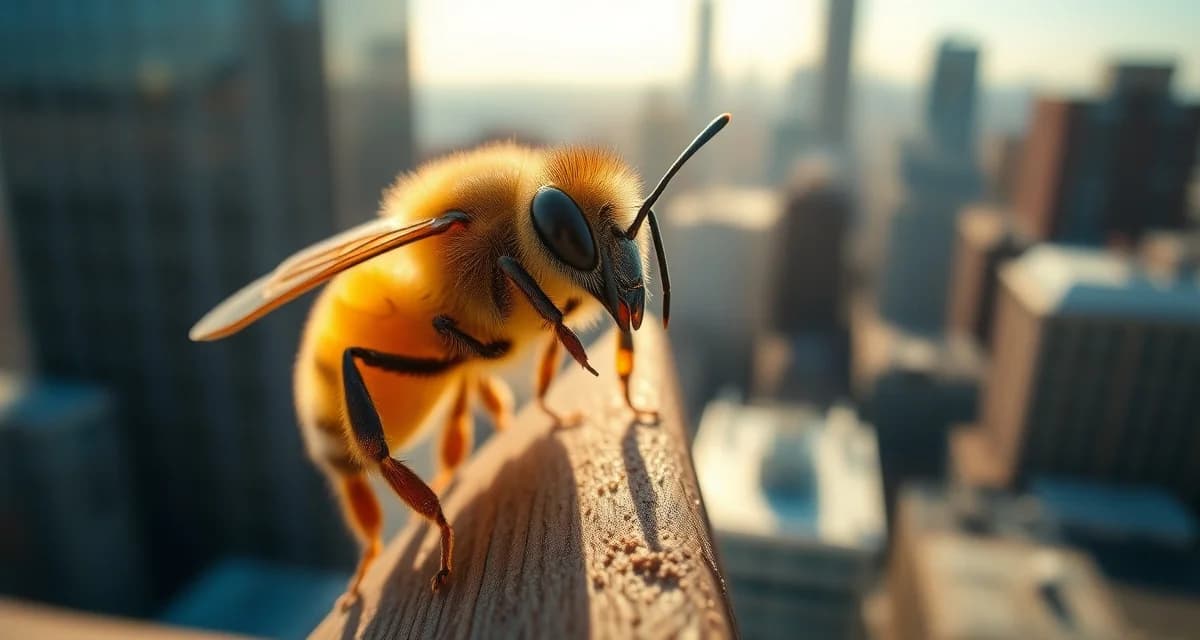
Urban Beekeeping and Varroa Management in New York City
Beekeeping in New York City has a distinctive character. Hives are on rooftops, in community gardens, and in backyards throughout the five boroughs. The density of managed colonies in the metropolitan area is high, and the urban environment creates both unique opportunities and unique varroa management challenges. New York City's climate broadly follows the northeastern US seasonal pattern, with cold winters that produce a natural broodless period and warm summers with sustained brood production.
NYC's Climate and Varroa Season
New York City's urban heat island effect means city hives experience slightly warmer temperatures than suburban or rural hives at the same latitude. Brood rearing may begin a week or two earlier in spring and extend a bit later into fall compared to hives 50 miles north. Colonies in the outer boroughs closer to Long Island Sound or Jamaica Bay experience maritime moderation. The broodless period still occurs, typically in January, but may be shorter and less complete than upstate New York operations.
Varroa pressure follows the familiar northeastern pattern: moderate buildup through spring, rapid increase in summer, peak in August and September, and the risk of winter cluster collapse in January through March from virus-damaged winter bees raised during the summer peak.
The Reinfestation Challenge in High-Density Urban Areas
The most distinctive varroa management challenge in New York City is reinfestation. With hives on rooftops and in gardens throughout Brooklyn, Queens, Manhattan, and the Bronx, bees regularly drift between colonies and robbing events bring mite-carrying bees from neighboring apiaries into your hive. A rooftop colony that has been successfully treated to below 1% can be back above 2% within three to four weeks if a neighboring apiary has a collapsed colony or chronically high mite levels.
This reinfestation pressure means NYC beekeepers need a more frequent monitoring schedule than rural beekeepers. Count every 3 to 4 weeks during active brood season. If post-treatment counts rise faster than expected, reinfestation from neighbors is the likely explanation. See the varroa reinfestation from drifting and robbing guide for mitigation strategies.
Practical Treatment Challenges in Urban Settings
Several practical factors shape treatment choices for NYC beekeepers:
Neighbor proximity. OAV requires a respirator and generates acid vapor. Treating a rooftop hive in close proximity to open windows, neighboring rooftops, or occupied spaces requires care. Treat during early morning or late evening when foot traffic is minimal and wind conditions are manageable. Inform building managers and adjacent neighbors before OAV treatments.
Equipment storage. Urban beekeepers often have limited storage space. Apivar strips have a shelf life, OAV equipment requires storage, and treatment supplies need secure, dry storage that may be in short supply in a small apartment or garage.
Hive access timing. Rooftop hives may only be accessible during certain hours or require elevator access with a building manager's cooperation. Treatment timing needs to account for access schedules, which may not align perfectly with the ideal treatment window.
No truck. Many NYC beekeepers get to their hives by subway, bicycle, or on foot. Equipment must be portable. This does not affect the choice of treatment (all registered treatments are portable) but does affect the quantity of supplies you can carry per visit.
NYC Swarm Season and Mite Spread
New York City has an active swarm season from April through June. Swarms from untreated or poorly managed colonies spread varroa as they move through the city and abscond into new locations. Swarms often move into wall voids, attics, and other cavities where they go unmanaged and serve as mite reservoirs. This is a systemic reinfestation source that individual beekeepers cannot control unilaterally.
Staying connected to the NYC beekeeping community and supporting swarm removal programs reduces the population of unmanaged colonies in the city, which benefits everyone's varroa management.
Record-Keeping for Urban Beekeepers
Urban beekeepers in NYC often manage one to five hives in a single location. The record-keeping burden is lighter than a commercial operation, but the density of the urban beekeeping environment makes good records more, not less, important. If a neighboring beekeeper contacts you about a varroa problem or asks whether your colonies were recently treated, being able to reference a clear treatment and mite count history in VarroaVault makes for a professional and useful conversation.
For beekeepers managing community garden hives where multiple people may share inspection duties, the multi-user feature of VarroaVault ensures all contributors can log data without maintaining separate notebooks. The treatment threshold alerts notify everyone on the account when a count exceeds threshold, so action is taken even if the person who did the last count is not the one who makes treatment decisions.
FAQ
What is Urban Beekeeping and Varroa Management in New York City?
Urban beekeeping in New York City involves keeping honey bee colonies on rooftops, in community gardens, and backyard spaces across the five boroughs. Varroa management refers to controlling Varroa destructor mites, the primary parasite threatening colony health. NYC's urban heat island effect creates a slightly extended brood season compared to surrounding regions, which affects mite buildup timing. Effective NYC beekeeping requires integrating mite monitoring and treatment into the city's distinct seasonal rhythm.
How much does Urban Beekeeping and Varroa Management in New York City cost?
The financial investment in urban beekeeping in NYC varies widely. A starter hive setup typically runs $300–$600, including a hive, protective gear, and basic tools. Annual varroa treatments using oxalic acid or formic acid products cost $20–$80 per hive. Rooftop hive placement may require structural assessment fees. Community garden plot fees vary by location. Ongoing costs include queens, replacement equipment, and monitoring supplies. Budget roughly $500–$1,000 per hive in the first year.
How does Urban Beekeeping and Varroa Management in New York City work?
Urban NYC beekeeping follows standard colony management with adaptations for the city environment. Beekeepers monitor varroa mite loads using alcohol wash or sugar roll methods monthly through the active season. Treatment decisions are based on mite counts exceeding 2–3 mites per 100 bees. NYC's shortened natural broodless period in January means beekeepers must time oxalic acid treatments carefully to catch low-brood windows, and often supplement with summer treatments using formic acid or thymol-based products.
What are the benefits of Urban Beekeeping and Varroa Management in New York City?
Urban beekeeping in NYC offers meaningful ecological benefits including pollination support for community gardens, parks, and street trees. For beekeepers, it provides connection to natural systems within a dense urban environment and a source of local honey. Effective varroa management protects colony longevity and reduces the risk of mite-vectored virus transmission to neighboring feral or managed colonies. Strong mite management also improves overwintering success rates, making your hives more productive and sustainable across multiple seasons.
Who needs Urban Beekeeping and Varroa Management in New York City?
Anyone keeping honey bee colonies in New York City needs to understand varroa management—from hobbyists with a single rooftop hive to community garden cooperatives running multiple colonies. Given the high density of managed hives across the boroughs, poorly managed mite loads can spread to neighboring colonies through robbing and drifting bees. NYC beekeepers operating near other apiaries bear a shared responsibility. New beekeepers should prioritize varroa education early, as mite pressure is one of the leading causes of first-year colony loss.
How long does Urban Beekeeping and Varroa Management in New York City take?
Varroa management is an ongoing, year-round commitment rather than a one-time task. Monthly mite counts take 15–20 minutes per hive. Treatment duration depends on the product: oxalic acid vaporization is applied over one to three sessions, formic acid pads remain in the hive for 10–14 days, and thymol treatments run two to three weeks. The full annual management cycle spans the active brood season from March through November in NYC, plus the critical winter cluster monitoring period in January and February.
What should I look for when choosing Urban Beekeeping and Varroa Management in New York City?
When approaching varroa management in NYC, look for a treatment approach compatible with your hive's brood status and the current temperature. Oxalic acid is most effective during broodless or low-brood periods; formic acid works with capped brood present. Choose integrated pest management strategies that combine monitoring with timely treatment rather than reactive-only approaches. Consider joining a local beekeeping club such as the NYC Beekeeping Meetup or the New York City Beekeepers Association for mentorship, shared monitoring protocols, and access to local treatment timing guidance.
Is Urban Beekeeping and Varroa Management in New York City worth it?
For NYC beekeepers, proactive varroa management is essential—not optional. The urban density of colonies and the slightly warmer microclimate that extends brood rearing both amplify mite pressure. Untreated colonies typically collapse within one to three years, often spreading mites to neighboring hives before dying. Beekeepers who monitor regularly and treat at threshold consistently report stronger overwintering survival and higher honey yields. Given the investment in equipment, time, and the ecological role your hives play in the city, effective varroa management is one of the highest-return practices you can adopt.