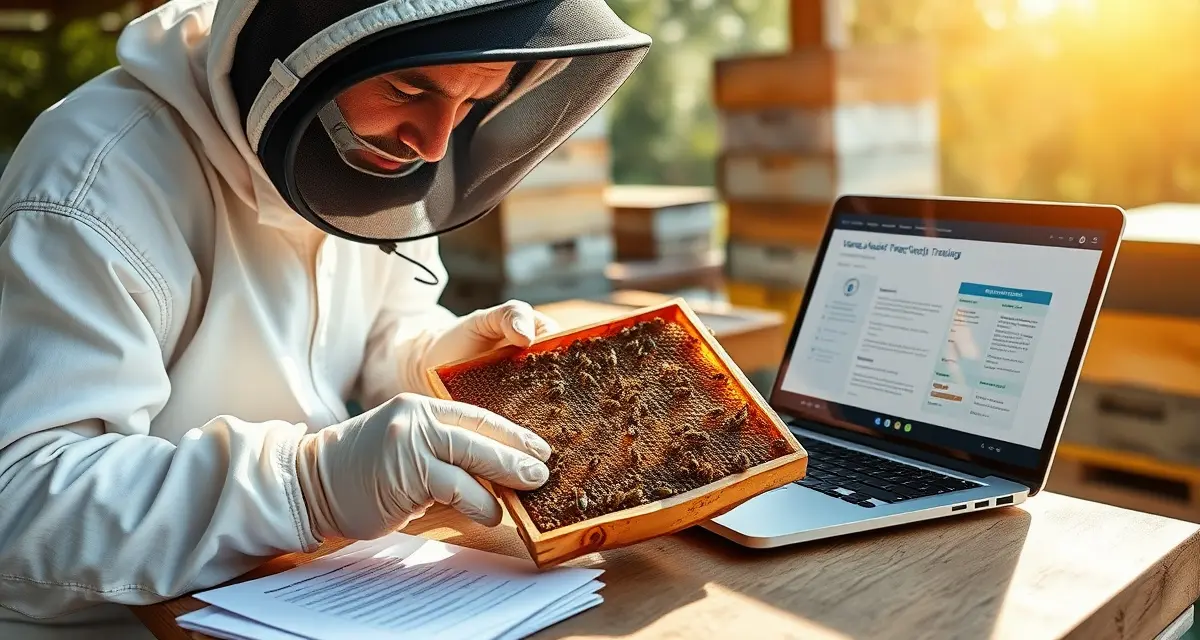
Beekeeping Grants for Varroa Management: USDA and State Programs
USDA NRCS EQIP has allocated over $20 million specifically for honeybee health management practices since 2022. That's real money available to beekeepers who apply, document their practices, and meet program requirements. Many eligible beekeepers never apply because they don't know the programs exist or because they don't think their operation qualifies.
This guide covers the main grant opportunities for varroa management, what they fund, and how VarroaVault helps you document the practices that qualify.
TL;DR
- USDA NRCS offers grants through the Environmental Quality Incentives Program (EQIP) for varroa management
- Grant applications typically require documentation of current monitoring practices and treatment records
- State departments of agriculture sometimes offer cost-share programs for registered apiarists
- Detailed mite count and treatment records significantly strengthen grant applications
- VarroaVault exports treatment history in formats suitable for USDA EQIP and state program submissions
- Grant timelines often require 1-2 years of prior records, making early record keeping important
USDA NRCS EQIP: The Primary Federal Program
The Environmental Quality Incentives Program (EQIP) is administered by the USDA Natural Resources Conservation Service. It provides financial assistance to farmers and ranchers, including beekeepers, who implement conservation practices on agricultural land.
The relevant practice standard is 317 - Pollinators.
Practice 317 covers bee health management including varroa management, pollinator habitat, and hive management practices. Eligible activities include:
- Varroa mite monitoring and management (mite counting supplies, treatment products)
- Registered varroa treatment products (Api-Bioxal, Apivar, MAQS, Apiguard, etc.)
- OA vaporization equipment
- Record-keeping systems for bee health management
- Hive equipment that supports management
Payment rates vary by state but typically range from $10-35 per colony for documented varroa management practices. On a 50-hive operation, that's $500-1,750 annually in EQIP payments for practices you're already doing.
Eligibility requirements:
- Must be a commercial agricultural producer (beekeeping for sale of honey, beeswax, pollination services, or colonies)
- Must have an NRCS-approved conservation plan
- Must document the practices you're implementing
- Must meet practice standards for treatment timing and methodology
How to apply:
Contact your local NRCS field office. They'll schedule a site visit and help you develop a conservation plan. The application process typically takes 2-4 months, and payments are made after practices are documented and verified.
State-Level Grant Programs
Many states have their own beekeeping grant programs that supplement federal options. These vary widely in scope and funding:
California: The California Department of Pesticide Regulation and California Department of Food and Agriculture have both funded bee health programs. The California Beekeeping Enhancement Program has supported monitoring equipment and training.
Florida: Florida Department of Agriculture has provided grants for varroa management training and equipment. Contact the Florida Department of Agriculture Division of Plant Industry for current opportunities.
Michigan: Michigan Beekeepers Association and Michigan Department of Agriculture have partnered on varroa monitoring programs. Check with MDARD for current grant opportunities.
New York: Cornell University and NYS Agriculture and Markets have supported bee health programs. The Cornell Pollinator Health Program is a resource for New York beekeepers seeking grant information.
Pennsylvania: PA Department of Agriculture has supported beekeeping programs through various channels. Contact their Bureau of Plant Industry for current opportunities.
Texas: Texas A&M AgriLife Extension has been active in varroa management education funding. Check with Texas Department of Agriculture.
For your specific state, search "[your state] department of agriculture beekeeping grant" and contact your state apiarist for the most current program information.
USDA Beginning Farmer and Rancher Development Program
If you're a new beekeeper (less than 10 years' experience), you may qualify for the BFRDP, which funds training, education, and technical assistance for beginning farmers. Beekeeping programs that receive BFRDP funding often provide subsidized training that includes varroa management education.
What Grants Typically Fund
Most beekeeping grant programs will fund:
- Equipment: OA vaporizers, mite washing supplies, protective equipment, hive monitoring equipment
- Treatment products: Registered varroa acaricides (products on the EPA-approved list)
- Training and education: Workshop fees, association memberships, extension program participation
- Record-keeping systems: Digital management platforms, including bee health software subscriptions
What they generally don't fund: package bees, honey extraction equipment, marketing, or non-varroa hive equipment.
Documenting Qualifying Expenses in VarroaVault
NRCS EQIP and most state grant programs require documentation showing you actually implemented the funded practices. For varroa management, this means:
- Treatment records showing dates, products, and application methodology
- Mite count records showing pre and post-treatment results
- Equipment purchase receipts (external to VarroaVault)
- Certification of practice completion from your NRCS contact
VarroaVault's grant documentation export generates a treatment history and equipment record suitable for NRCS EQIP applications. This export includes:
- Complete treatment log with dates, products, EPA registration numbers, and applicators
- Mite count history showing monitoring frequency
- PHI compliance documentation
- Timestamps showing when records were logged
This organized documentation is exactly what NRCS field officers need to verify practice implementation. Operations that can produce clean, digital records complete EQIP payment requests significantly faster than those working from paper files.
USDA Risk Management Agency: Whole-Farm Revenue Protection
The USDA Risk Management Agency's Whole-Farm Revenue Protection program can include honey and beekeeping income in farm revenue insurance. While this is insurance rather than a grant, it's a risk management tool relevant to beekeepers with significant colony investments.
Qualifying requires documented farm revenue history, which VarroaVault's export features can support by demonstrating the professional management practices that qualify the operation.
Frequently Asked Questions
What USDA grants are available for varroa management?
The primary federal program is USDA NRCS EQIP Practice Standard 317 (Pollinators), which funds varroa monitoring equipment, registered treatment products, OA vaporizers, and record-keeping systems. Payment rates vary by state. Beginning beekeepers may also access BFRDP-funded training programs. Contact your local NRCS field office to apply.
How do I document varroa management expenses for grants?
Keep receipts for all treatment product purchases and equipment. Maintain treatment logs showing dates, products, doses, and applicators. Log mite counts before and after treatment. VarroaVault's grant documentation export generates a formatted treatment history and monitoring record suitable for EQIP payment requests and state program audits.
Does VarroaVault support NRCS EQIP documentation requirements?
Yes. VarroaVault's export feature generates a treatment history and mite monitoring record in a format aligned with NRCS EQIP practice standard documentation requirements. The export includes treatment dates, product names, EPA registration numbers, applicator information, and timestamped count records that demonstrate practice implementation.
How do I know if my varroa treatment is working?
Run a mite count 2-4 weeks after the treatment ends and compare it to your pre-treatment count. The efficacy formula is: ((pre-count - post-count) / pre-count) x 100. A result above 90% indicates effective treatment. Results below 80% should trigger investigation for possible resistance, application error, or reinfestation. Log both counts in VarroaVault to track efficacy trends across treatment cycles.
How often should I check mite levels in my hives?
At minimum, once per month (every 3-4 weeks) during the active season. Increase to every 2 weeks when counts are near threshold or after a treatment to verify it worked. In fall, monitoring frequency matters most because the window to treat before winter bees are raised is narrow. VarroaVault's monitoring reminders can be set to your preferred interval for each apiary.
What records should I keep for varroa management?
Each record should include: date of count or treatment, hive identifier, monitoring method used, number of bees sampled, mites counted, infestation percentage, treatment product name and EPA registration number, dose applied, treatment start and end dates, and PHI end date. State apiarists typically expect this level of detail during inspections. VarroaVault captures all of these fields in a single log entry.
What is Beekeeping Grants for Varroa Management: USDA and State Programs?
Beekeeping grants for varroa management are government-funded programs that help beekeepers cover costs associated with monitoring and treating Varroa destructor mite infestations. The primary federal program is USDA NRCS EQIP (Environmental Quality Incentives Program), which has allocated over $20 million for honeybee health practices since 2022. State departments of agriculture also offer cost-share programs for registered apiarists. These grants exist because varroa mites are a leading cause of colony loss, and healthy bee populations benefit agriculture broadly.
How much does Beekeeping Grants for Varroa Management: USDA and State Programs cost?
Most beekeeping grants and cost-share programs do not charge beekeepers to apply or participate — they provide funding to you, not the other way around. USDA EQIP payments offset the cost of approved varroa management practices, including treatments and monitoring equipment. State programs vary but typically reimburse a percentage of qualifying expenses. The main investment is time spent on documentation, record-keeping, and completing the application process, which is why maintaining detailed hive records before applying is essential.
How does Beekeeping Grants for Varroa Management: USDA and State Programs work?
USDA EQIP works by reimbursing beekeepers for implementing approved conservation practices, including varroa monitoring and treatment protocols. You apply through your local NRCS office, submit documentation of your current practices and operation size, and if approved, receive a contract outlining funded activities. Payments are made after you complete the approved practices and provide records. Grant timelines often require one to two years of prior monitoring and treatment records, so documentation must begin well before the application is submitted.
What are the benefits of Beekeeping Grants for Varroa Management: USDA and State Programs?
These programs offer several concrete benefits: financial reimbursement for varroa treatments and monitoring tools, formal recognition of your management practices, and stronger hive health outcomes that reduce long-term colony losses. Participation also encourages consistent record-keeping, which improves decision-making year over year. Beekeepers who document their practices systematically — tracking mite counts, treatment dates, and colony outcomes — are better positioned for future applications and can demonstrate measurable improvement in bee health over time.
Who needs Beekeeping Grants for Varroa Management: USDA and State Programs?
Any beekeeper running a registered operation may qualify, but these programs are especially valuable for hobbyist and small commercial beekeepers who bear varroa treatment costs without the economies of scale large operations enjoy. If you manage hives and have struggled to fund consistent mite testing or treatment, these programs are designed for you. Many eligible beekeepers never apply simply because they are unaware the programs exist or assume their operation is too small — but EQIP serves operations of all sizes.
Related Articles
Sources
- American Beekeeping Federation (ABF)
- USDA ARS Bee Research Laboratory
- Honey Bee Health Coalition
- Penn State Extension Apiculture Program
- Project Apis m.
Get Started with VarroaVault
The information in this guide is most useful when you have your own mite count data to apply it to. VarroaVault stores every count, flags threshold crossings automatically, and builds the treatment history you need for state inspections and effective management decisions. See pricing and free tools at varroavault.com.