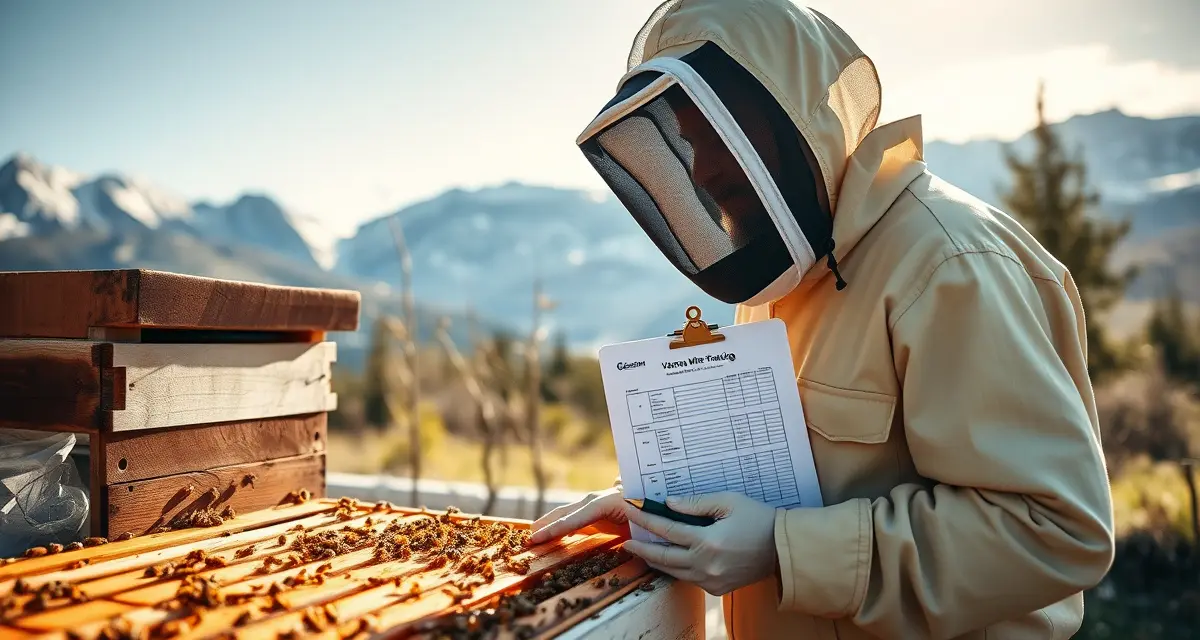
Beekeeping Software for Alaska Beekeepers: Short Season Varroa Management
Alaska has one of the shortest effective varroa treatment windows in North America, averaging 10-14 weeks. In a season that compressed, there's no margin for a missed treatment window or a late start. Every decision counts more than it would in a state with a six-month beekeeping season.
VarroaVault's short-season treatment calendar is pre-loaded for Alaska's growing zone, with compressed window alerts that tell you when the critical window is opening, so you don't reach September realizing you've missed your only fall treatment opportunity.
TL;DR
- Alaska's climate means short active season (May-September) means 2-3 treatment cycles maximum, with a reliable winter broodless period ideal for oxalic acid dribble
- The 60-90 day broodless period is one of the longest in the us, making late-fall oxalic acid dribble highly effective
- All EPA-registered varroa treatments are available in Alaska; check with your state apiarist for local restrictions
- Monthly mite monitoring (every 30 days) is recommended year-round to catch pressure spikes early
- PHI management is important around Alaska's nectar flows to avoid contaminating honey
- VarroaVault exports treatment records formatted for Alaska state inspection requirements
The Alaska Beekeeping Context
Beekeeping is possible across much of Alaska, but the season is dramatically shorter than anywhere in the lower 48. In Southcentral Alaska (Anchorage, Matanuska-Susitna Valley), the effective beekeeping season runs roughly late April through mid-September. In Interior Alaska, it's even shorter.
Varroa has been present in Alaska since the early 2000s, though interior Alaska and some remote areas have had later establishment dates. For beekeepers in established varroa areas, the challenge is fitting a full annual management cycle (spring count, summer monitoring, fall treatment, winter prep) into 14 weeks or less.
Alaska's cool summers also affect treatment options. Formic acid works well in Alaska's temperature range (rarely exceeding 85°F in most beekeeping areas), making it a practical choice for the summer treatment window when brood penetration is needed.
3 Key Points for Alaska Varroa Management
1. Your fall window is July-August, not August-September. Alaska beekeepers can't wait until September for fall treatment. By then, the colony may already be in winter prep mode and temperatures may be dropping rapidly. Plan your fall treatment start for mid-July to early August.
2. Formic acid is your friend. Alaska's cool summers are one of the few places in the US where formic acid is practical throughout the summer. Temperatures in most Alaska beekeeping areas stay within the 50-85°F range that formic acid requires, making it the most effective brood-penetrating option during the main season.
3. Spring buildup is fast and critical. Alaska colonies build up quickly once temperatures warm. A mite load that seemed manageable in May can spike rapidly by July as brood production peaks. Monthly counts aren't enough during the short Alaska build season. Count every 3 weeks from June through August.
Using VarroaVault in Alaska
VarroaVault's short-season mode condenses the full annual treatment calendar into Alaska's active months. Set your first frost date for your location, and the app generates a compressed treatment calendar with alerts for each phase: spring count, summer monitoring, fall treatment start, and winter prep.
The fall treatment window guide covers the biology of fall treatment timing. For Alaska, read "August" where the guide says "August-September." Your window closes earlier.
For state inspection requirements, Alaska Division of Agriculture has apiary registration requirements for commercial operations. Check with the Alaska state apiarist for current registration and record-keeping guidance.
Related Articles
FAQ
When is the treatment window in Alaska?
The effective varroa treatment window in most Southcentral Alaska beekeeping areas runs from late May through mid-August. Your fall treatment needs to start by early August. Later than that and you risk running your protocol into September when your colony may already be reducing brood production. For interior Alaska, the window may be even shorter. Set your fall treatment start reminder in VarroaVault for the first week of August regardless of what else is going on in the apiary.
What treatments work in Alaska's cool summers?
Alaska's cool temperatures are actually favorable for treatment options that have temperature restrictions. Formic acid (Formic Pro / MAQS) works well throughout the Alaska summer since temperatures rarely exceed 85°F. oxalic acid vaporization works at any temperature and is effective year-round. Apivar strips work at any temperature and are useful for Alaska's fall treatment if you start early enough to complete the 6-8 week cycle before cold weather arrives. Thymol-based treatments have a minimum temperature requirement of 59°F, which may limit their window in early spring.
How does VarroaVault handle the Alaska short season?
VarroaVault's short-season mode pre-configures the annual treatment calendar for your specific growing zone. You enter your location's typical first frost date, and the app compresses all monitoring reminders and treatment windows into your active season. Alerts fire earlier relative to your frost date than they would for a standard continental US calendar. The system also flags approaching window closure dates, so you get a notification when your fall treatment window is closing, not after it's already closed.
Is VarroaVault available to beekeepers in Alaska?
Yes. VarroaVault is available to beekeepers across all 50 states including Alaska. The app supports state-specific PHI calendars, monitoring reminders calibrated to your region's nectar flow and temperature patterns, and export formats suitable for Alaska apiary inspection requirements.
What records does the Alaska state apiarist expect during an apiary inspection?
While requirements vary and you should confirm with your state apiarist, most states expect treatment records that include the product name, EPA registration number, application dates, hive identifiers, and applicant name. Beekeepers in Alaska should also be prepared to document mite count results from the monitoring periods before and after each treatment. VarroaVault's export function generates this information in a formatted PDF.
Does VarroaVault support tracking multiple apiaries in Alaska?
Yes. VarroaVault supports unlimited apiary locations within a single account. Each apiary can have its own set of hives with individual treatment and mite count records. For Alaska beekeepers managing multiple yards across different counties or climate zones, yard-level reporting allows you to compare mite pressure and treatment efficacy between locations.
What is Beekeeping Software for Alaska Beekeepers: Short Season Varroa Management?
Beekeeping software for Alaska beekeepers addresses the unique challenges of managing varroa mites within the state's compressed 10-14 week active season. Tools like VarroaVault provide Alaska-specific treatment calendars with compressed window alerts, helping beekeepers maximize their limited 2-3 treatment cycles between May and September. The software also supports late-fall oxalic acid dribble planning during Alaska's 60-90 day broodless period and exports treatment records formatted for Alaska state inspection requirements.
How much does Beekeeping Software for Alaska Beekeepers: Short Season Varroa Management cost?
VarroaVault offers tiered pricing plans, with a free tier available for basic hive tracking and premium plans starting at a monthly or annual subscription for advanced features like Alaska-specific short-season treatment calendars, compressed window alerts, PHI management tools, and state-formatted inspection record exports. Visit VarroaVault.com for current pricing details, as plans may vary based on hive count and the level of reporting and compliance features required.
Sources
- American Beekeeping Federation (ABF)
- USDA ARS Bee Research Laboratory
- Honey Bee Health Coalition
- Penn State Extension Apiculture Program
- Project Apis m.
Get Started with VarroaVault
Alaska beekeepers face specific varroa management challenges that generic beekeeping apps are not designed around. VarroaVault handles monitoring reminders, PHI tracking, treatment efficacy scoring, and state inspection export in a single tool built specifically for varroa management. See pricing and free tools at varroavault.com.