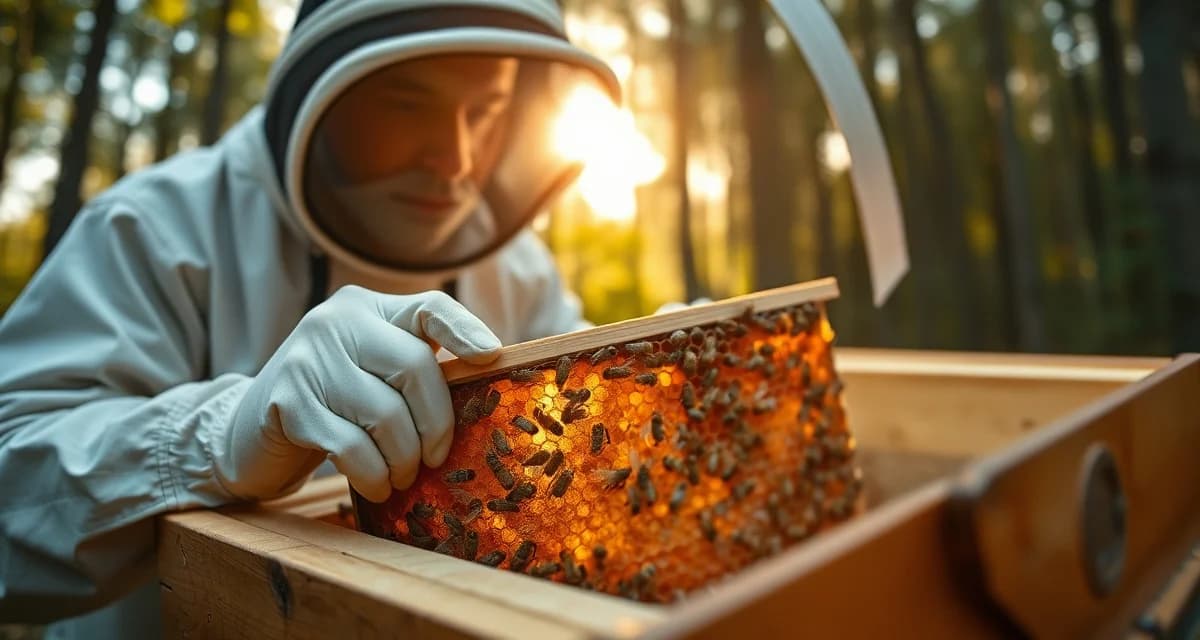
Varroa Treatment for Climate Zone 5 Beekeepers: Northern Midwest and New England
Zone 5 covers the northern Midwest, New England, and similar climates with hard winters, late springs, and relatively short active bee seasons. If you're in Minnesota, Wisconsin, Michigan, upstate New York, Vermont, New Hampshire, or similar areas, your varroa calendar looks different from beekeepers in warmer zones.
The critical constraint is simple: Zone 5 beekeepers must complete fall treatment by September 1 to protect the winter bee cohort. That's an earlier deadline than most beekeepers realize, and missing it by even 2-3 weeks can mean the difference between a colony that makes it to April and one that dwindles to nothing by February.
TL;DR
- Treatment decisions should always be triggered by a mite count result, not a fixed calendar date
- Different treatments have different temperature requirements, PHI restrictions, and brood penetration capabilities
- Always run a post-treatment count 2-4 weeks after treatment ends to calculate efficacy
- Efficacy below 80% warrants investigation -- possible resistance, application error, or reinfestation
- Rotate treatment chemistry to prevent resistance buildup across successive cycles
- VarroaVault logs treatment events, calculates efficacy, and flags when rotation is recommended
The Zone 5 Annual Varroa Calendar
Spring (April-May): Establish Your Baseline
Zone 5 springs are cold and slow. Colonies may still be clustered into April. Do your first alcohol wash when daytime temps are consistently above 50°F and the colony has at least 4-5 frames of bees.
This spring baseline tells you what mite loads carried over from winter and whether the colony needs early treatment before buildup begins. Spring counts above 2% should be treated before the colony population begins to accelerate.
Summer (June-July): Monthly Monitoring
Summer is when colonies are growing fastest and mite populations are following right behind. Monthly counts throughout June and July keep you tracking the slope.
June counts below 1%: monitor monthly, no treatment needed yet.
June counts 1-2%: increase monitoring to every 3 weeks.
June counts above 2%: treat promptly, then schedule a 30-day follow-up.
August: The Critical Window
This is the most important period on your zone 5 calendar. The winter bees, the bees that will be in your cluster in January, are being raised right now. Any mites reproducing in this brood are compromising those bees before they even hatch.
Count every 2-3 weeks in August. If you cross threshold, treat immediately. Do not wait for September to start treatment. Every week of delay in August reduces your winter survival probability.
Treatment options that work in typical August conditions (warm enough for formic, too warm for OA dribble without brood considerations): Formic Pro, MAQS, or Apivar strips started in early August.
Early September (August 25-September 10): Final Fall Treatment Window
Zone 5's winter bee cohort is essentially complete by mid-September. Any treatment started after September 10 is too late to meaningfully protect the current winter bees.
If your August counts were high and you're still working on getting mite loads down in early September, prioritize getting the count below 1%. A post-treatment alcohol wash in the first week of September confirms whether you succeeded.
October-November: Winterization, Not Treatment
At this point, treatment decisions are behind you. Focus on winterization: final population assessment, moisture and ventilation management, mouse guards, and making sure the colony has adequate winter stores.
Zone 5 Treatment Options by Season
VarroaVault's zone 5 annual treatment calendar pre-loads spring baseline, summer monitoring, and an August treatment deadline reminder based on your specific location. The calendar adjusts to your first expected hard-frost date.
Connect the fall treatment deadline to your count history at VarroaVault's fall treatment window guide and review the regional calendar in the varroa management northeast climate guide.
Frequently Asked Questions
When is the fall treatment deadline for zone 5?
Zone 5 beekeepers should complete fall treatment by September 1, with the actual application happening in August if possible. The winter bee cohort, the bees that will survive to spring, is raised during August and early September. Mites reproducing during this period damage those bees before they emerge. Treatment started after September 10 is unlikely to protect the current-season winter bees, though it may reduce the mite population carrying over to spring.
What is the best fall treatment for zone 5 winters?
Formic Pro and MAQS work well in August when temperatures are in the right range (50-92°F for Formic Pro). Apivar strips applied in August provide a longer 42-56 day treatment that covers the critical window. If your colony is broodless or can be made broodless through queen caging, oxalic acid dribble achieves the highest single-treatment efficacy. The best choice depends on your temperature conditions during the treatment window and whether your colony has capped brood.
Does VarroaVault pre-load treatment calendars for zone 5?
Yes. VarroaVault's zone 5 treatment calendar comes pre-loaded with spring baseline recommendations, monthly summer monitoring reminders, August treatment window alerts, and a September 1 fall treatment deadline notification. The calendar uses your GPS location and local frost date data to refine the timing for your specific microclimate within zone 5. Treatment deadline reminders trigger progressively earlier if your recent count trend is rising toward threshold.
How do I know if my varroa treatment is working?
Run a mite count 2-4 weeks after the treatment ends and compare it to your pre-treatment count. The efficacy formula is: ((pre-count - post-count) / pre-count) x 100. A result above 90% indicates effective treatment. Results below 80% should trigger investigation for possible resistance, application error, or reinfestation. Log both counts in VarroaVault to track efficacy trends across treatment cycles.
How often should I check mite levels in my hives?
At minimum, once per month (every 3-4 weeks) during the active season. Increase to every 2 weeks when counts are near threshold or after a treatment to verify it worked. In fall, monitoring frequency matters most because the window to treat before winter bees are raised is narrow. VarroaVault's monitoring reminders can be set to your preferred interval for each apiary.
What records should I keep for varroa management?
Each record should include: date of count or treatment, hive identifier, monitoring method used, number of bees sampled, mites counted, infestation percentage, treatment product name and EPA registration number, dose applied, treatment start and end dates, and PHI end date. State apiarists typically expect this level of detail during inspections. VarroaVault captures all of these fields in a single log entry.
What is Varroa Treatment for Climate Zone 5 Beekeepers: Northern Midwest and New England?
Zone 5 varroa management is a region-specific approach to controlling Varroa destructor mites in beehives located across the northern Midwest and New England — including Minnesota, Wisconsin, Michigan, upstate New York, Vermont, and New Hampshire. These areas share hard winters, late springs, and short active seasons, which compress the treatment window. The most critical rule: fall treatment must be completed by September 1 to protect the long-lived winter bee cohort that carries the colony through to spring.
How much does Varroa Treatment for Climate Zone 5 Beekeepers: Northern Midwest and New England cost?
Varroa treatment itself refers to mite-control products and methods, not a paid service — so there is no single cost. Expenses vary by treatment type: oxalic acid vaporizers run $50–$200 for equipment plus low-cost consumables, while formic acid strips or amitraz treatments typically cost $10–$30 per application. The real financial stakes are colony losses — replacing a dead-out in Zone 5 can cost $150–$200 or more for a new package or nuc, making timely treatment far cheaper than inaction.
How does Varroa Treatment for Climate Zone 5 Beekeepers: Northern Midwest and New England work?
Effective Zone 5 varroa management follows a data-driven cycle: wash or sugar-roll a sample to get a mite count, choose a treatment matched to current temperatures and brood state, apply it correctly within the label window, then run a post-treatment count 2–4 weeks later to confirm efficacy above 80%. Different products target phoretic mites, capped brood, or both. Rotating chemistry across treatment cycles prevents resistance buildup, which is especially important given the limited treatment windows Zone 5 seasons allow.
What are the benefits of Varroa Treatment for Climate Zone 5 Beekeepers: Northern Midwest and New England?
Zone 5 beekeepers who follow a structured varroa protocol benefit from stronger winter clusters, higher spring survival rates, and reduced risk of colony collapse during the long dormant period. Protecting the winter bee cohort — bees born in August and September that must survive until April — is the single highest-leverage intervention a northern beekeeper can make. Systematic post-treatment efficacy checks also catch resistance or reinfestation early, before mite loads rebound to damaging levels between the short summer treatment windows.
Who needs Varroa Treatment for Climate Zone 5 Beekeepers: Northern Midwest and New England?
Any beekeeper managing hives in USDA Hardiness Zone 5 or climatically similar regions needs a Zone 5-specific varroa strategy. This includes hobbyists with one or two hives as much as commercial operators — mites do not spare small apiaries. Beekeepers who have previously relied on warmer-zone timing or skipped fall treatment are especially at risk. If you've experienced unexplained winter losses or dwindling colonies in February, late or missed fall mite treatment is often the root cause worth investigating first.
Sources
- American Beekeeping Federation (ABF)
- USDA ARS Bee Research Laboratory
- Honey Bee Health Coalition
- Penn State Extension Apiculture Program
- Project Apis m.
Get Started with VarroaVault
The information in this guide is most useful when you have your own mite count data to apply it to. VarroaVault stores every count, flags threshold crossings automatically, and builds the treatment history you need for state inspections and effective management decisions. See pricing and free tools at varroavault.com.