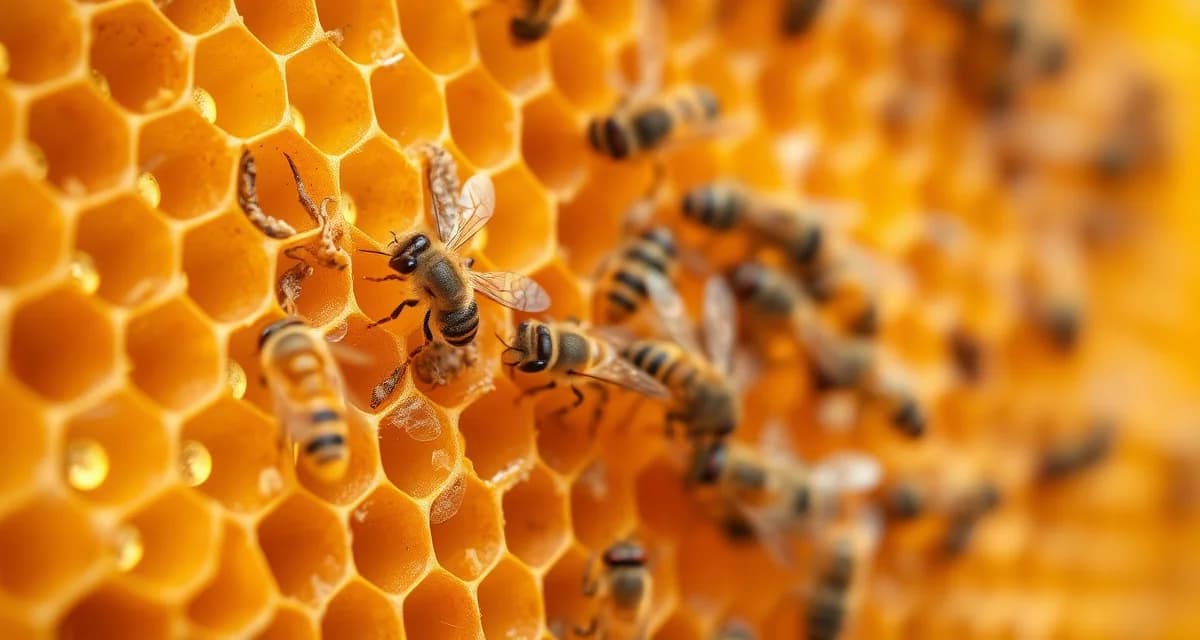
Varroa Mite Treatment in Summer: Managing Mites During Honey Flow
Summer is peak production season. It's also peak varroa reproduction season. The problem is those two things are in direct conflict.
Summer mite populations can double every two weeks in peak brood production colonies. Your largest honey flow is happening at exactly the same time varroa is accelerating. Most treatments require super removal. And the heat rules out some of your best options.
Varroa mite treatment summer season is genuinely the hardest management window of the year.
TL;DR
- Summer varroa pressure builds rapidly during peak brood rearing periods from June through August
- The 2% threshold applies in summer; above this level, intervention before the fall is needed
- Temperature constraints limit summer treatment options: formic acid above 85 degrees F risks queen loss
- Oxalic acid extended vaporization (every 5 days for 3 applications) is an effective summer option
- A missed summer mite spike directly compromises fall colony strength going into winter
- VarroaVault's summer monitoring reminders help you maintain the 3-4 week monitoring interval during peak season
Why Summer Mite Pressure Is So High
In summer, a colony may have 100,000+ cells of capped brood at any given time. That's a massive reproductive substrate for varroa. Each mite in a capped cell produces 1-2 daughters per cycle. Peak brood means peak reproduction.
At the same time, the bee population is at its annual peak. More bees means more colony interaction with neighboring apiaries, more swarms intercepted and absorbed, more drift from other operations. All of that drives reinfestation risk.
The mite-doubling-every-two-weeks figure assumes no treatment. It's a reminder that summer is not a period where you can monitor less frequently and hope for the best.
The PHI Problem
Most synthetic varroa treatments, Apivar, Apistan, cannot be applied with honey supers present. You apply them, supers come off, and you wait out the full treatment period plus PHI before supers can go back on.
In a productive summer flow, that can mean a notable honey production interruption. Some beekeepers skip treatment to protect the flow. This is the most common driver of fall colony failures, summer mite pressure unchecked, heading into winter.
The question isn't whether to treat during summer. It's how to treat without wrecking your harvest timing.
Which Treatments Can You Use During Summer Honey Flow?
Your super-safe options are limited but real:
Formic Acid (MAQS/Formic Pro), Conditional
MAQS and Formic Pro have a 0-day PHI and can be used with honey supers on. This makes them the primary treatment option during an active flow.
The catch: formic acid is temperature-sensitive. Above 85°F, queen loss risk rises sharply. Summer daytime highs in most of the US frequently exceed that threshold. You're looking for a week-long cool window, which may not come during peak summer.
When the temperature cooperates, formic acid is your best super-safe option. When it doesn't, you're making a harder calculation.
HopGuard, Labeled for Use with Supers
HopGuard (hop beta acids) is labeled for use with honey supers on at any time. It's an organic option with a 0-day PHI. Efficacy data is variable, some beekeepers find it effective for maintenance treatment between heavier interventions, others find it insufficient for high mite loads.
For a colony approaching threshold during a flow where formic acid temps aren't cooperating, HopGuard is a legitimate option worth logging and verifying.
Oxalic Acid, Very Limited in Summer
OA has limited utility during summer for most colonies because it requires a broodless or near-broodless state for high efficacy. Extended vaporization protocols (multiple treatments at 5-day intervals) can partially compensate, but in a peak-summer colony with heavy brood, OA is fighting uphill.
OA vaporization technically has a 0-day PHI but cannot be applied with supers present under most product labels. Check your specific formulation.
Timing Strategy: Treatment Between Flows
The most effective summer strategy is treating between flows, after the spring flow supers come off and before the fall flow supers go on. In many regions, there's a midsummer dearth that creates a natural treatment window.
The VarroaVault summer PHI conflict checker shows whether your planned treatment will conflict with your expected flow dates. Enter your flow calendar and treatment plan, and the app flags any scheduling conflict before you're standing at the hive wondering whether supers should be on or off.
How Do I Handle PHI If Mites Spike During Nectar Flow?
This is the hardest call in summer management. You're mid-flow, your count is at 4%, and your best treatments require super removal.
The calculation you have to make: how much production do I lose by pulling supers now vs. how much colony health risk do I take by waiting?
If your count is above 3-4% in July, waiting until after the flow to treat typically means entering August with 5%+ counts and a colony that's producing mite-damaged winter bees. That's a poor trade.
Most experienced beekeepers pull supers early rather than carry a high mite load through summer. The honey you harvest from a surviving colony next year is worth more than the extra weeks of collection this year.
Options if you're mid-flow and can't pull supers:
- Apply formic acid if temperatures allow (it's legal with supers on)
- Apply HopGuard as a stop-gap (legal with supers, some efficacy reduction)
- Remove supers now, treat aggressively, accept the season loss
How VarroaVault Tracks Summer PHI Conflicts
When you log a treatment in VarroaVault, the app calculates your PHI forward from the treatment date and marks the safe harvest date on your calendar. If you have a honey super event (super-on date) logged that falls within the PHI window, the app flags the conflict before you act.
For detailed summer mite management strategies, the summer varroa pressure guide covers the full-season approach. For PHI tracking across all treatment types, see the [pre-harvest interval tracker](/pre-harvest-interval-tracker).
Which treatments can I use during summer honey flow?
With honey supers on and an active flow, your options are formic acid products (MAQS/Formic Pro, if temperatures are below 85°F), HopGuard (hop beta acids, labeled for use with supers at any time), and potentially OA vaporization depending on your specific product label. Synthetic treatments like Apivar and Apistan require super removal. If none of the super-safe options are viable due to heat or efficacy concerns, pulling supers and treating aggressively is often the better long-term decision.
How do I handle PHI if mites spike during nectar flow?
First, assess the actual mite load and how fast it's climbing. A 3% count in July is a different urgency than a 2% count that's been stable. If the count is above 3% and rising, consider pulling supers early and treating, the cost of a shortened season is less than the cost of entering fall with a mite-damaged colony. If you're committed to keeping supers on, formic acid at appropriate temperatures or HopGuard are your compliant options. Document your decision and the count that drove it.
How does VarroaVault track summer PHI conflicts?
Enter your planned treatment and your expected flow/super schedule in VarroaVault, and the system calculates the PHI window and checks it against your super calendar. If your planned super-on date falls within the PHI period, you get a conflict flag before you apply. This prevents accidental PHI violations during a busy production season when it's easy to lose track of dates.
How do I know if my varroa treatment is working?
Run a mite count 2-4 weeks after the treatment ends and compare it to your pre-treatment count. The efficacy formula is: ((pre-count - post-count) / pre-count) x 100. A result above 90% indicates effective treatment. Results below 80% should trigger investigation for possible resistance, application error, or reinfestation. Log both counts in VarroaVault to track efficacy trends across treatment cycles.
How often should I check mite levels in my hives?
At minimum, once per month (every 3-4 weeks) during the active season. Increase to every 2 weeks when counts are near threshold or after a treatment to verify it worked. In fall, monitoring frequency matters most because the window to treat before winter bees are raised is narrow. VarroaVault's monitoring reminders can be set to your preferred interval for each apiary.
What records should I keep for varroa management?
Each record should include: date of count or treatment, hive identifier, monitoring method used, number of bees sampled, mites counted, infestation percentage, treatment product name and EPA registration number, dose applied, treatment start and end dates, and PHI end date. State apiarists typically expect this level of detail during inspections. VarroaVault captures all of these fields in a single log entry.
FAQ
What is Varroa Mite Treatment in Summer: Managing Mites During Honey Flow?
Varroa mite treatment during summer honey flow is the practice of controlling Varroa destructor mite populations in bee colonies while they are actively producing honey. Summer is the most challenging treatment window because mite populations can double every two weeks during peak brood rearing, yet most chemical treatments require removing honey supers first. Managing this balance is critical to colony health heading into fall and winter.
How much does Varroa Mite Treatment in Summer: Managing Mites During Honey Flow cost?
Varroa mite treatment itself has no direct monetary cost beyond the treatment products, which range from a few dollars for oxalic acid to $20–$40 for formic acid pads. The real cost of not treating is far higher: a summer mite spike can collapse a colony before winter, costing you thousands in lost bees, honey production, and equipment replacement. Early intervention is always cheaper than losing a hive.
How does Varroa Mite Treatment in Summer: Managing Mites During Honey Flow work?
Summer varroa treatment works by targeting mites on adult bees (phoretic mites) and, with some methods, mites inside capped brood cells. Oxalic acid vaporization applied every 5 days for 3 treatments reaches mites on bees throughout the brood cycle. Formic acid treatments work through vapor penetration into capped cells but are temperature-sensitive. The goal is knocking down the mite load before it compounds into a fall population crisis.
What are the benefits of Varroa Mite Treatment in Summer: Managing Mites During Honey Flow?
Treating varroa in summer protects your fall colony strength, which directly determines winter survival. A colony that enters fall with high mite loads raises mite-damaged winter bees, shortening their lifespan and shrinking cluster size. Summer treatment also preserves the queen's laying capacity, maintains colony population during and after honey flow, and gives you a healthier, more productive colony for the following spring.
Who needs Varroa Mite Treatment in Summer: Managing Mites During Honey Flow?
Every beekeeper managing colonies through summer needs a varroa treatment strategy, but it is especially critical for those in regions with long brood-rearing seasons and multiple nectar flows. Hobbyists often underestimate summer mite pressure because colonies look strong and productive. If your alcohol wash or sugar roll exceeds a 2% mite load at any point from June through August, intervention before fall is necessary regardless of experience level.
How long does Varroa Mite Treatment in Summer: Managing Mites During Honey Flow take?
Treatment duration depends on the method chosen. Oxalic acid vaporization requires three applications spaced 5 days apart, so the full course spans roughly 10–15 days. Formic acid slow-release pads are typically left in the hive for 10–14 days per treatment. Monitoring should continue every 3–4 weeks throughout summer. From the point you detect a problem to completing treatment and confirming mite levels drop, expect 3–6 weeks of active management.
What should I look for when choosing Varroa Mite Treatment in Summer: Managing Mites During Honey Flow?
When selecting a summer varroa treatment, prioritize three factors: temperature compatibility, honey super status, and treatment efficacy. Formic acid becomes dangerous above 85°F and risks queen loss in heat — check your forecast before applying. Oxalic acid vaporization works without removing supers in most jurisdictions but requires repeated applications. Always verify local regulations on honey super presence during treatment, confirm the product is labeled for summer use, and track mite counts before and after to validate effectiveness.
Is Varroa Mite Treatment in Summer: Managing Mites During Honey Flow worth it?
Yes, summer varroa treatment is absolutely worth it. A single missed mite spike in July or August can produce a colony so weakened by October that it cannot survive winter. The labor and product cost of a summer treatment cycle is a fraction of what it costs to replace a dead colony in spring. Colonies that enter fall with mite loads below 2% consistently show better winter survival rates and stronger spring buildup.
Sources
- American Beekeeping Federation (ABF)
- USDA ARS Bee Research Laboratory
- Honey Bee Health Coalition
- Penn State Extension Apiculture Program
- Project Apis m.
Get Started with VarroaVault
The information in this guide is most useful when you have your own mite count data to apply it to. VarroaVault stores every count, flags threshold crossings automatically, and builds the treatment history you need for state inspections and effective management decisions. See pricing and free tools at varroavault.com.