Varroa Mite Treatment in Winter: OA Dribble for Broodless Clusters
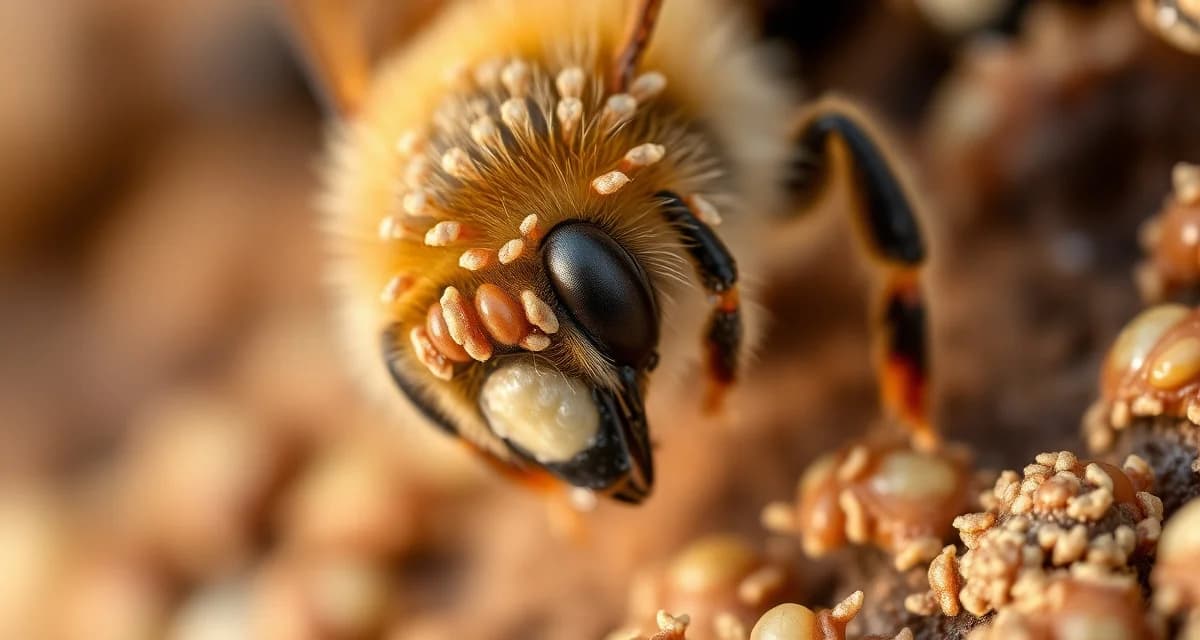
Winter treatment is the one time of year where the biology is working in your favor. No brood. Mites have nowhere to hide. Every mite in the colony is riding on an adult bee, exposed, accessible, and vulnerable to oxalic acid.
OA dribble on a broodless colony achieves near-100% efficacy versus 60-70% on a colony with capped brood. That's a treatment efficiency you can't replicate at any other point in the year.
Varroa mite treatment winter season isn't just possible, it's often the best single-treatment opportunity you'll have. But it requires two things: confirming the colony is actually broodless, and timing the application to a day warm enough that the cluster is loose but cold enough that it's genuinely winter.
TL;DR
- Winter colony losses caused by varroa are largely preventable with effective fall treatment before winter bees are raised
- Winter bees raised under high mite pressure in August-September have shorter lifespans and cannot sustain the cluster
- The fall treatment window (August-September in most regions) is the most important management action of the year
- oxalic acid dribble during a true broodless period (December-January in northern states) can rescue high-mite colonies
- A 1% mite threshold in fall (vs. 2% in summer) reflects the higher stakes of winter bee quality
- Track fall mite counts and winter survival rates together in VarroaVault to measure the impact of your treatment timing
Why Winter OA Is So Effective
During the brood season, varroa mites spend the majority of their time in capped cells. Only 10-30% of the mite population is on adult bees at any given moment. When you apply OA dribble during a broodfull period, you're only hitting those exposed phoretic mites. The rest are protected under wax cappings, reproducing.
In winter, when brood production stops entirely, 100% of the mite population is in the phoretic phase, on adult bees. Apply OA in that window and you're reaching every mite in the colony. That's why a single winter dribble on a genuinely broodless colony can achieve near-complete mite elimination.
When Is the Best Time to Do a Winter OA Dribble?
The ideal window varies by region, but the criteria are consistent:
The colony must be confirmed broodless. This is the non-negotiable requirement. A colony with any capped brood will have mites in cells, out of reach of the dribble.
Temperature at the time of application should be 35-55°F. Cold enough that the bees are clustered (not flying actively), but warm enough that the dribble flows through the cluster without chilling bees. Below 35°F, the treatment can stress or chill the cluster. Above 55°F, bees are more active and the dribble is less effective at reaching the whole cluster.
Pick a calm, dry day. Wind and rain during the brief opening create unnecessary chilling risk.
In most northern US states, the broodless period falls between late November and mid-February. In southern states, some colonies maintain brood year-round or have only a brief broodless period. In those locations, winter OA dribble may not be applicable.
How Do I Confirm My Colony Is Broodless?
This is the most important step and the one most often skipped.
The fastest method: a brief inspection on a calm day above 45°F. Remove the top box and look at the cluster. If you see no capped brood and no uncapped brood, the colony is broodless. Don't do a full teardown in cold weather, just observe the top of the cluster.
If you can't inspect due to weather, track the queen's laying pattern. Queens in most regions stop laying reliably by November in northern states and December in more southern areas. Consulting your last inspection record alongside local average broodless dates can give you a reasonable estimate.
The safest approach: confirm visually before treating. A dribble on a colony with any brood reduces efficacy and wastes the treatment.
VarroaVault's winter broodless confirmation field ensures OA dribble is only logged when you've confirmed the colony is actually broodless. You can't complete the treatment log without checking that box.
Step-by-Step Winter OA Dribble Protocol
What You Need
- Oxalic acid solution (3.5% OA in sucrose syrup, or a pre-mixed registered product)
- 60ml syringe or dribble bottle
- Gloves and eye protection
- A helper if possible (speeds things up in cold weather)
Application Steps
1. Choose your day. Look for a calm day with temperatures 35-55°F. Mid-morning when temperatures have risen slightly from overnight lows is usually ideal.
2. Prepare quickly. Have your solution ready before you open anything. In winter, every second the hive is open is a chilling risk.
3. Open minimally. Remove the inner cover enough to see the cluster. You don't need to move frames.
4. Dribble down the seams. Apply 5ml of solution per occupied seam of bees, dribbling slowly along the top bar line of the cluster. Standard dose is 50ml total for a full-size winter cluster, but follow your registered product's label for the exact dose.
5. Close immediately. Replace the inner cover and outer cover quickly. Don't linger.
6. Log the treatment. Record the date, temperature, colony ID, product used, and that you confirmed the colony was broodless.
OA Vaporization as an Alternative
OA vaporization is also effective in winter, though the restrictions differ slightly by product. Vaporization requires more equipment and is harder to perform in very cold temperatures. Most beekeepers find dribble more practical for winter.
If you have colonies in a situation where opening the hive to dribble isn't practical, vaporization through the entrance can be performed without opening the hive, an advantage in very cold weather.
For a detailed comparison of dribble versus vaporization, see the oxalic acid dribble vs vaporization guide.
What If My Colony Has Brood in Winter?
In warmer climates, some colonies never fully stop brood production. In cool regions, a warm spell in January can trigger a queen to resume laying before the winter OA window is gone.
If you can't confirm your colony is broodless, you have a few options:
- Wait for colder weather and check again in 2-3 weeks
- Use the extended OA vaporization protocol (multiple treatments at 5-day intervals) to treat through whatever brood is present
- Accept reduced efficacy from a dribble if there's minimal brood present and the situation demands treatment
Don't apply OA dribble assuming your colony is broodless without verifying. The efficacy drop is notable.
Logging a Winter OA Dribble in VarroaVault
When you log a winter OA treatment in VarroaVault, the app prompts you to confirm:
- Broodless status (required field)
- Temperature at time of application
- OA method (dribble or vaporization)
- Product used and dose
After logging, VarroaVault schedules a follow-up count reminder for late winter or early spring to verify that the treatment achieved the expected knockdown.
For dosing calculations based on colony size and seam count, the oxalic acid dribble calculator walks you through the math.
When is the best time to do a winter OA dribble?
The optimal window is when the colony is confirmed broodless and temperatures are 35-55°F at treatment time. In most northern US states, that's December through January. In more southern states, the broodless window may be shorter or may not occur at all in some years. The key requirements are confirmed absence of capped brood and a calm, cold-but-not-freezing day for application.
How do I confirm my colony is broodless?
A brief visual inspection on a relatively warm winter day (above 45°F) is the most reliable method. Look at the top of the cluster, if you see no capped or open brood cells, the colony is broodless. If weather doesn't allow inspection, correlate your last inspection's brood status with the queen's typical laying timeline for your region. When in doubt, wait and recheck rather than treating a colony that may still have brood.
How do I log a winter OA dribble in VarroaVault?
Open the treatment log for the colony, select OA dribble, and fill in the required fields: broodless confirmation, temperature at application, product and dose, date, and any relevant notes. VarroaVault won't allow you to complete the log without the broodless confirmation step, this is intentional, to ensure you've actually verified the colony's brood status before treating. After logging, a spring follow-up count reminder is automatically scheduled.
Can I treat for varroa during winter?
In northern regions where colonies form a tight winter cluster with no brood (typically December-February), oxalic acid dribble is an effective and label-approved treatment. It achieves very high efficacy during true broodless periods because all mites are phoretic. The temperature should be above 40 degrees F during dribble application for bee welfare. Vaporization is also possible but requires safe outdoor conditions for the applicator.
How do I know if my colony survived winter in good mite condition?
Do an early spring mite count (February-March in most regions) as soon as the colony is active and temperatures allow. A count below 1% suggests winter treatment was effective and the colony has a good start. A count above 2% in early spring indicates mites survived in high numbers and a spring treatment should be started promptly before brood population expands.
FAQ
What is Varroa Mite Treatment in Winter: OA Dribble for Broodless Clusters?
Varroa mite treatment in winter using oxalic acid (OA) dribble is a targeted method of applying oxalic acid solution directly onto the seams of bees in a broodless cluster. During winter, when colonies have no capped brood, every varroa mite is exposed on adult bees rather than hidden in cells. This makes the broodless period the single most effective treatment window of the year, with efficacy approaching 100% under the right conditions.
How much does Varroa Mite Treatment in Winter: OA Dribble for Broodless Clusters cost?
Oxalic acid treatment is among the most affordable varroa control options available. A ready-to-use OA dribble solution typically costs between $5–$20 depending on brand and quantity, and a single bottle treats multiple hives. Compared to synthetic miticide strips, OA is significantly cheaper. The main investment is a syringe or dribble applicator, which costs just a few dollars. There are no repeat-dose costs when applied correctly during a true broodless period.
How does Varroa Mite Treatment in Winter: OA Dribble for Broodless Clusters work?
A measured dose of oxalic acid solution — typically 5ml per seam of bees — is dribbled directly over the cluster using a syringe. As bees move through the cluster and groom each other, the acid contacts and kills varroa mites on their bodies. Because there is no capped brood during the broodless period, mites cannot retreat to protected cells. The treatment relies on thorough coverage of all seams and the cluster being loose enough to allow bee movement.
What are the benefits of Varroa Mite Treatment in Winter: OA Dribble for Broodless Clusters?
The primary benefit is exceptional efficacy: OA dribble on a truly broodless colony achieves close to 100% mite kill, compared to just 60–70% when brood is present. It is also organic, leaving no synthetic residues in wax or honey. It is low-cost, fast to apply, and safe for bees when used correctly. Treating in winter also gives colonies the cleanest possible start to spring, reducing the mite pressure on the first new brood.
Who needs Varroa Mite Treatment in Winter: OA Dribble for Broodless Clusters?
Any beekeeper managing honey bee colonies in a region with a true broodless winter period should consider OA dribble treatment. It is especially critical for beekeepers who missed or delayed their fall treatment window, those who recorded high mite counts going into winter, or anyone who experienced unexplained winter losses in previous years. Hobbyist and commercial beekeepers alike benefit, as varroa is the leading driver of colony mortality across all operation sizes.
How long does Varroa Mite Treatment in Winter: OA Dribble for Broodless Clusters take?
The application itself takes only a few minutes per hive. You open the colony briefly, dribble the solution over each seam of bees, and close it back up. The full process — from prep to closing the hive — is typically under 10 minutes per colony. However, timing matters more than speed: you need a day when temperatures allow brief opening without chilling the cluster, usually above 40°F (4°C) but cold enough that the colony is genuinely broodless.
What should I look for when choosing Varroa Mite Treatment in Winter: OA Dribble for Broodless Clusters?
Confirm the colony is truly broodless before treating — a quick inspection or brood check is essential, as treating with brood present dramatically reduces efficacy. Use a correctly mixed OA solution at the right concentration (3.5% w/v). Apply 5ml per seam of bees, not per frame. Choose a day with appropriate temperatures. Ensure your product is registered for use in your country. Wearing gloves and eye protection is recommended, as oxalic acid is a mild irritant.
Is Varroa Mite Treatment in Winter: OA Dribble for Broodless Clusters worth it?
Yes. Winter OA dribble treatment is one of the highest-return actions in beekeeping. The cost is minimal, the application is simple, and the efficacy during a broodless period is unmatched at any other time of year. Colonies that enter spring with low mite loads build faster, rear healthier brood, and are far less likely to collapse before the main nectar flow. For beekeepers with a reliable winter broodless period, it is widely considered a non-negotiable part of the annual management calendar.
Sources
- American Beekeeping Federation (ABF)
- USDA ARS Bee Research Laboratory
- Honey Bee Health Coalition
- Penn State Extension Apiculture Program
- Project Apis m.
Get Started with VarroaVault
Winter losses are largely a fall varroa management problem. VarroaVault helps you track fall treatment timing, verify efficacy with post-treatment counts, and build the record that shows you whether your winter preparation is actually working year over year. See pricing and free tools at varroavault.com.