Varroa and Winter Survival: What the Research Shows About Fall Treatment Timing
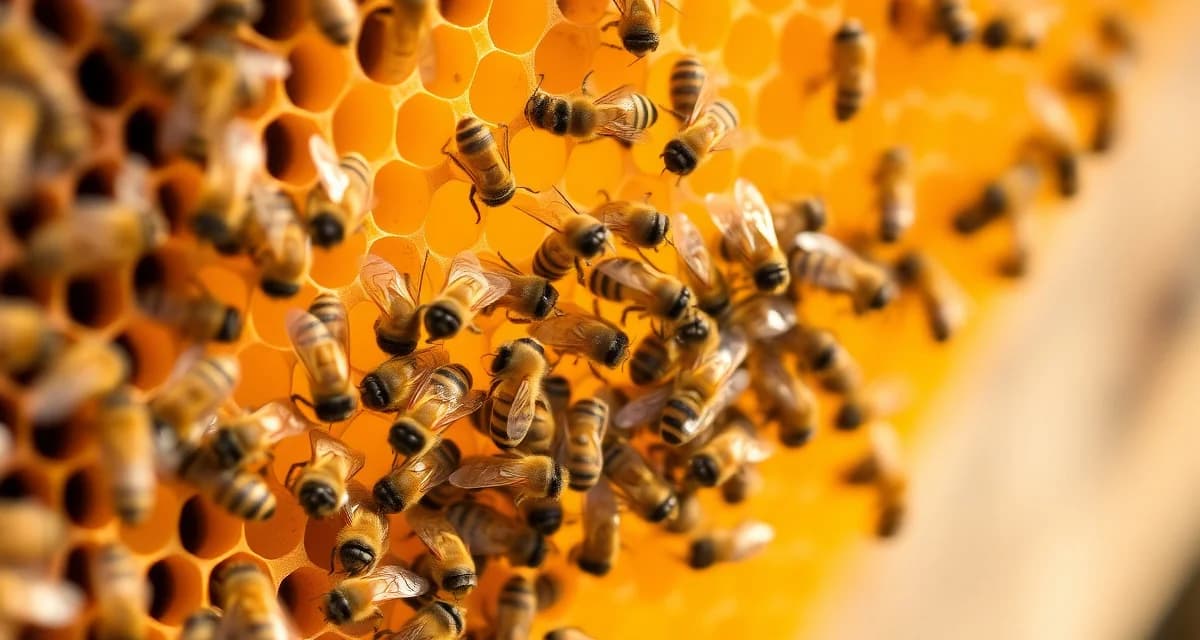
Here's the hard truth that takes most beekeepers a lost hive or two to learn: the colony you're trying to save in February was either made or broken back in August. The bees clustering in your hive right now were born during late summer. Those are your winter bees, and their health was determined before you ever thought about winterizing.
Varroa's role in winter losses isn't mysterious. It's actually pretty well understood at this point. The question is whether you're acting on the research, or just hoping for the best.
TL;DR
- Winter colony losses caused by varroa are largely preventable with effective fall treatment before winter bees are raised
- Winter bees raised under high mite pressure in August-September have shorter lifespans and cannot sustain the cluster
- The fall treatment window (August-September in most regions) is the most important management action of the year
- oxalic acid dribble during a true broodless period (December-January in northern states) can rescue high-mite colonies
- A 1% mite threshold in fall (vs. 2% in summer) reflects the higher stakes of winter bee quality
- Track fall mite counts and winter survival rates together in VarroaVault to measure the impact of your treatment timing
Why Winter Bees Are Different
Winter bees, sometimes called diutinus bees, are physiologically distinct from summer foragers. They live 4-6 months instead of 4-6 weeks, they accumulate fat bodies for energy storage, and they produce vitellogenin, a protein essential for surviving the winter cluster. They're built differently, on purpose.
The problem is that varroa mites feeding on developing pupae during late summer disrupt all of that. Mite-damaged bees have lower vitellogenin levels, smaller fat bodies, and shorter lifespans. They look normal when they emerge, but they're compromised. Put enough of them in a cluster and the colony starves, or freezes, or just dwindles to nothing by March.
Research from the Honey Bee Health Coalition shows each 1% mite increase above threshold in August reduces winter survival probability by 18%. That's not a rounding error. If you're at 3% in August and your threshold is 2%, you've potentially cut your colony's winter odds nearly in half.
The August Window
The math is pretty unforgiving. A colony heading into fall treatment needs roughly 6-8 weeks of clean brood rearing to produce a sufficient cohort of healthy winter bees. Count back from your hard frost date and you'll find that treatment window closes earlier than most beekeepers expect.
For zone 5 beekeepers, that means treating no later than early September, and August is better. In zone 6, you have until mid-September before the math starts working against you. The further south you go, the more flexibility you have because brood rearing continues later, but the principle holds everywhere.
The trap most beekeepers fall into is treating in October when they notice the colony looks weak. By then, the winter bees are already hatched, already compromised. You've removed the mites, but the damage is done for this year.
Track your fall treatment timing with VarroaVault's fall treatment window tool to make sure you're acting inside the critical window rather than after it.
What "Below Threshold" Actually Means in August
The standard treatment threshold is 2% mites per hundred bees using an alcohol wash. That applies year-round, but August counts carry more weight than any other counts you do all year.
A colony at 1.8% in August is flirting with the edge. A colony at 1.2% has more margin. The difference between those two colonies when you open them in April can be dramatic. Don't treat the threshold like a cliff edge where anything below is fine. In August, getting counts as low as possible is the goal.
If your August count comes in at 2% or above, treat immediately. Don't wait for the next inspection cycle. Don't finish the honey harvest first. Treat.
After treatment, get your counts logged and reviewed. VarroaVault's winter hive prep checklist walks you through what a healthy colony profile looks like heading into late fall.
How to Use August Counts to Predict Winter Survival
The Honey Bee Health Coalition has published survival probability estimates based on mite levels at the start of August. You can use these to set realistic expectations and prioritize which colonies need immediate action versus which have some margin.
A colony at 0-1% in early August has roughly a 90%+ probability of surviving winter in good health. At 2%, survival odds drop to around 70-75%. At 3%, you're looking at roughly 55%. Above 4%, winter survival probability is below 50% even with treatment, because the winter bee cohort damage is already underway.
That's why the goal isn't just "treat before winter." It's "treat before August crosses threshold so the damage doesn't happen in the first place."
Frequently Asked Questions
Why do mite levels in August affect winter survival?
The bees that survive winter, called winter bees or diutinus bees, are raised during late summer. Varroa mites feeding on their developing pupae during this period damage the fat bodies, reduce vitellogenin production, and shorten lifespan. A colony that raises winter bees under high mite pressure produces a compromised cluster that can't sustain itself through cold months, even if mite levels are treated down later in fall.
What is the fall treatment threshold for protecting winter bees?
The standard threshold is 2% mites per hundred bees on an alcohol wash, but in August this should be treated as a ceiling rather than a trigger. The research shows that every percentage point above threshold in August reduces winter survival probability by roughly 18%. Treat at or before 2% in August, and aim to push counts as close to zero as possible before the critical winter bee rearing period.
How does VarroaVault help me protect my winter bees?
VarroaVault's colony winter survival probability calculator estimates your colony's winter odds based on your August mite count. The platform tracks your fall treatment timing against your local frost dates, alerts you when you're approaching the critical window, and logs post-treatment counts to confirm efficacy before the winter bee cohort is complete. You get a clear record of whether each colony got clean in time.
Can I treat for varroa during winter?
In northern regions where colonies form a tight winter cluster with no brood (typically December-February), oxalic acid dribble is an effective and label-approved treatment. It achieves very high efficacy during true broodless periods because all mites are phoretic. The temperature should be above 40 degrees F during dribble application for bee welfare. Vaporization is also possible but requires safe outdoor conditions for the applicator.
How do I know if my colony survived winter in good mite condition?
Do an early spring mite count (February-March in most regions) as soon as the colony is active and temperatures allow. A count below 1% suggests winter treatment was effective and the colony has a good start. A count above 2% in early spring indicates mites survived in high numbers and a spring treatment should be started promptly before brood population expands.
What is Varroa and Winter Survival: What the Research Shows About Fall Treatment Timing?
This article examines the scientific research behind fall varroa treatment timing and its direct impact on winter colony survival. It explains why late summer — specifically August and September — is the most critical management window of the year, how varroa damages the winter bee population before it's even raised, and what mite thresholds beekeepers should target. It also covers oxalic acid dribble as a rescue option during broodless winter periods.
How much does Varroa and Winter Survival: What the Research Shows About Fall Treatment Timing cost?
Implementing a fall varroa treatment program costs relatively little compared to replacing lost colonies. Oxalic acid treatments run a few dollars per hive. An alcohol wash kit costs under $30 and lasts years. The real cost of skipping fall treatment is hive loss — replacement packages and nucs can run $150–$250 each. Treating proactively in August is one of the highest-return investments a beekeeper can make per dollar spent.
How does Varroa and Winter Survival: What the Research Shows About Fall Treatment Timing work?
Varroa mites reproduce inside capped brood cells, and mite populations peak in late summer just as colonies are raising the long-lived winter bees. Mites feeding on developing pupae suppress the hypopharyngeal glands and immune function of those bees. Winter bees raised under high mite loads are physiologically compromised, live shorter lives, and cannot sustain the cluster through winter. Treating before this cohort is raised breaks the damage cycle at its source.
What are the benefits of Varroa and Winter Survival: What the Research Shows About Fall Treatment Timing?
Effective fall varroa treatment dramatically reduces winter colony losses, which remain the primary cause of hive death for most beekeepers. Colonies that enter winter with mite levels below 1% are far more likely to survive and build up quickly in spring. Healthy winter bees support stronger spring populations, better honey production, and reduced need for emergency interventions. It also reduces viral disease pressure — particularly deformed wing virus — across the entire apiary.
Who needs Varroa and Winter Survival: What the Research Shows About Fall Treatment Timing?
Any beekeeper overwintering colonies in regions with cold winters needs this information. Hobbyists with one or two hives, sideliners managing dozens of colonies, and commercial operations alike face the same varroa biology. Beekeepers who have experienced unexplained winter losses, spring dwindle, or weak buildup after seemingly healthy fall populations are especially likely to find the research in this article explains what went wrong.
How long does Varroa and Winter Survival: What the Research Shows About Fall Treatment Timing take?
The critical treatment window is August through early September in most northern regions — this is non-negotiable and time-sensitive. The actual treatment application takes under 30 minutes per hive depending on the product used. A follow-up mite wash 4–6 weeks later confirms efficacy. If mite levels remain elevated entering winter, an oxalic acid dribble during a broodless period in December or January can be completed in under 10 minutes per hive.
Sources
- American Beekeeping Federation (ABF)
- USDA ARS Bee Research Laboratory
- Honey Bee Health Coalition
- Penn State Extension Apiculture Program
- Project Apis m.
Get Started with VarroaVault
Winter losses are largely a fall varroa management problem. VarroaVault helps you track fall treatment timing, verify efficacy with post-treatment counts, and build the record that shows you whether your winter preparation is actually working year over year. See pricing and free tools at varroavault.com.