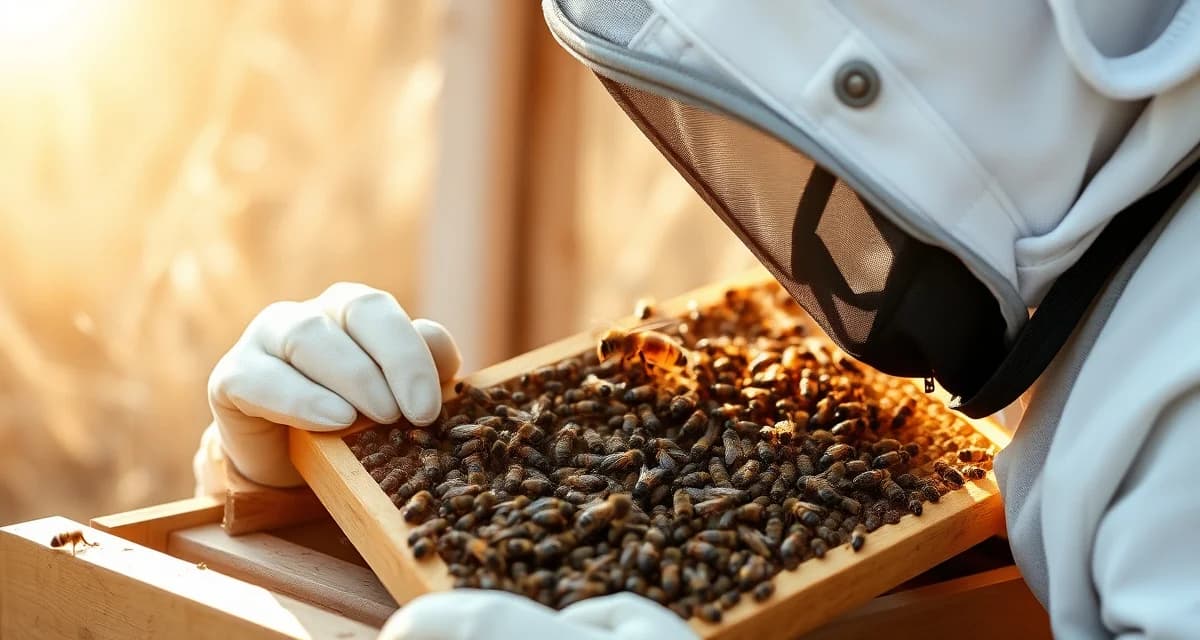
Varroa After Winter Losses: What to Do With Surviving Colonies
Surviving colonies in an apiary that lost other hives have mite counts 40% higher on average than their fall pre-loss counts. That 40% increase isn't from natural mite reproduction over winter: it's from mite drift and robbing from collapsing and dead colonies during the late fall and early spring.
When a colony dies, its mites don't die with it. Phoretic mites on surviving bees from the collapsing colony drift or are carried to nearby hives. Robbing bees from neighboring hives pick up mites from dying colonies before those colonies fully collapse. The result: surviving colonies in a high-loss apiary start spring under elevated mite pressure even if they were well-managed before winter.
TL;DR
- Winter colony losses caused by varroa are largely preventable with effective fall treatment before winter bees are raised
- Winter bees raised under high mite pressure in August-September have shorter lifespans and cannot sustain the cluster
- The fall treatment window (August-September in most regions) is the most important management action of the year
- oxalic acid dribble during a true broodless period (December-January in northern states) can rescue high-mite colonies
- A 1% mite threshold in fall (vs. 2% in summer) reflects the higher stakes of winter bee quality
- Track fall mite counts and winter survival rates together in VarroaVault to measure the impact of your treatment timing
Step 1: Document Every Loss First
Before doing anything with the surviving colonies, document the losses. This matters for program improvement and insurance.
For each dead-out:
- Note the hive ID and discovery date in VarroaVault
- Take photos of the inside: cluster position, stores status, any dead bees with DWV symptoms
- Log your initial cause assessment in VarroaVault's colony loss record
- Generate the colony loss report if you'll need it for insurance
The dead colony's records (mite counts, treatments, efficacy calculations) are all in VarroaVault. Pull the history for each dead colony now while it's fresh and before you start moving equipment. This post-mortem analysis tells you what went wrong and informs the management changes you need to make this season.
Step 2: Manage Dead Hive Equipment Promptly
A dead colony's equipment can harbor live mites on residual comb and any surviving bees from the final days. Leaving dead colony equipment open in the apiary during spring is a mite dispersal risk.
Options for dead colony equipment:
- Freeze the comb for at least 48 hours at 0°F. This kills mites and pests. Store the equipment until you have a use for it.
- Remove it from the apiary if you're not ready to process it immediately. Don't leave open, mite-inhabited equipment where surviving colonies can access it.
Do not put dead colony frames into surviving hives without freezing first.
Step 3: Count Surviving Colonies Immediately
Within the first inspection round after discovering winter losses, count every surviving colony. Don't wait for your scheduled monitoring date.
The expected finding: survivors in a high-loss apiary will have counts higher than you'd expect based on your fall management. That 40% average increase means a colony you brought through fall at 1% might now be at 1.4%. A colony at 1.5% in fall might be at 2.1% in spring.
Log every count. VarroaVault's spring activation feature prompts post-loss survivor counts when it detects that one or more colonies in an apiary have been marked as dead.
What threshold to use in early spring: Some operations lower the spring threshold to 1.5% when coming out of a high-loss winter, given that colony sizes are small and the buffer against mite impact is reduced. The standard active-season threshold of 3% is for colonies at full summer strength, not post-winter 5-frame colonies.
Step 4: Treat Survivors That Need It
If your spring counts show survivors at or above 2%, treat promptly. Spring is an excellent treatment window: brood is limited, so OA vaporization efficacy is higher than mid-summer, and you're protecting spring build-up bees from mite pressure during critical colony growth.
Best spring treatment options:
OA vaporization extended protocol: Three applications spaced 5-7 days apart. Works well in spring even with some brood present. No temperature restriction, no super concerns in spring.
OA dribble: Only if the colony is still fully broodless (very early spring in cold climates). Single application, 95%+ efficacy in a truly broodless colony.
Formic Pro or MAQS: If temperatures are consistently above 50°F and below 85°F. Effective with brood present. Useful if you want faster cycle completion than the extended OA vaporization protocol.
Log the treatment in VarroaVault. Post-treatment count reminder schedules automatically.
Step 5: Plan for Replacement Colonies
If you lost a significant percentage of your operation over winter, you need a plan for replacement. Options:
- Splits from strong survivors: Pulling 4-5 frame splits from colonies that came through winter exceptionally well. Count these splits before making them (the parent colony's count applies to the split). Set up the split profile in VarroaVault immediately.
- Packages: New packages have no mite history. Log the package installation date and perform a count at 4-6 weeks, after the package has established brood and nurse bee population.
- Nucleus colonies from a reputable source: Request mite count documentation from the seller.
For each new colony added: create a profile in VarroaVault, log the acquisition, and set up the new colony monitoring schedule.
Step 6: Adjust Your Fall Management Program
The most important step after a loss year is understanding why losses happened and changing the program. Use VarroaVault's winter loss analysis:
- Did colonies that lost had a common treatment timing (all treated late)?
- Did they share a common product (all treated with amitraz, and efficacy was below expectation)?
- Was the issue fall monitoring gaps (no count between July and October)?
- Were losses concentrated in a specific apiary with higher-than-average reinfestation risk?
The answers to these questions determine what changes to make before next fall. VarroaVault's loss analysis report cross-references loss data with prior-season management records to identify the pattern.
Frequently Asked Questions
Why do surviving colonies have higher mite counts after winter losses?
Surviving colonies in apiaries that lost other hives show mite counts approximately 40% higher than their fall pre-loss counts. The mechanism is mite transfer from dying and dead colonies: phoretic mites from collapsing colonies drift to nearby hives, and robbing bees pick up mites from weakening colonies. This means survivors in a high-loss apiary face elevated spring mite pressure even if they were well-managed in fall.
Should I treat survivors immediately after winter losses?
Count them first, then make a treatment decision based on the count. If counts are at or above 2% in early spring (a lower threshold than the 3% active-season standard, reflecting the smaller colony size), treat promptly with OA vaporization extended protocol (best option for spring brood-present treatment) or OA dribble if the colony is still broodless. Spring treatment from a loss event prevents the elevated spring mite load from compounding during the critical spring build-up period.
Does VarroaVault have a winter loss recovery workflow?
Yes. VarroaVault's winter loss recovery wizard activates when you mark one or more colonies as dead. It walks you through dead hive documentation (cause assessment, loss record), a prompted survivor count for remaining colonies in the same apiary, equipment management recommendations, and replacement colony setup. The loss records feed into the annual loss analysis that helps identify patterns across your operation.
Can I treat for varroa during winter?
In northern regions where colonies form a tight winter cluster with no brood (typically December-February), oxalic acid dribble is an effective and label-approved treatment. It achieves very high efficacy during true broodless periods because all mites are phoretic. The temperature should be above 40 degrees F during dribble application for bee welfare. Vaporization is also possible but requires safe outdoor conditions for the applicator.
How do I know if my colony survived winter in good mite condition?
Do an early spring mite count (February-March in most regions) as soon as the colony is active and temperatures allow. A count below 1% suggests winter treatment was effective and the colony has a good start. A count above 2% in early spring indicates mites survived in high numbers and a spring treatment should be started promptly before brood population expands.
What is Varroa After Winter Losses: What to Do With Surviving Colonies?
Varroa After Winter Losses: What to Do With Surviving Colonies is a practical beekeeping guide covering why colonies that survive winter in a high-loss apiary face elevated mite pressure — typically 40% higher than pre-winter counts. It explains how mite drift and robbing from collapsing hives load surviving colonies with extra mites, and outlines the treatment actions beekeepers should take in spring to prevent further losses.
How much does Varroa After Winter Losses: What to Do With Surviving Colonies cost?
Varroa treatment itself is the real cost consideration. Oxalic acid dribble treatments are inexpensive — often under $20 for a full apiary dose — while vaporizer units range from $30 to $200. Neglecting treatment after winter losses is far more costly: a replacement nucleus colony or package typically runs $150–$250 or more. Early intervention in spring almost always costs less than replacing dead-outs.
How does Varroa After Winter Losses: What to Do With Surviving Colonies work?
After winter losses, surviving colonies accumulate mites through two mechanisms: drift from bees leaving collapsing colonies, and robbing behavior where healthy bees raid dying hives and carry phoretic mites back. This pushes mite loads well above safe thresholds before spring brood rearing begins. Treatment works by applying miticides — ideally oxalic acid during broodless periods — to kill phoretic mites before they reproduce in the expanding spring brood nest.
What are the benefits of Varroa After Winter Losses: What to Do With Surviving Colonies?
Acting on surviving colonies after winter losses prevents a destructive spring mite spike. Treating early keeps mite levels below the 1–2% threshold before the brood nest expands, protecting newly raised spring bees from deformed wing virus and shortened lifespans. It also stops the cycle of reinfestation across the apiary, giving colonies the healthy population they need to build up for the main nectar flow.
Who needs Varroa After Winter Losses: What to Do With Surviving Colonies?
Any beekeeper who lost one or more colonies over winter needs to assess and likely treat surviving hives. Even well-managed colonies in a high-loss apiary are at risk due to mite drift from neighboring dead-outs. Beekeepers managing multiple hives in close proximity face the highest reinfestation risk. This guidance is especially important for those who skipped or delayed fall treatment, as surviving colonies may already be carrying dangerous mite loads.
How long does Varroa After Winter Losses: What to Do With Surviving Colonies take?
A spring mite wash or alcohol wash takes under 30 minutes per hive and gives you an immediate mite count. Oxalic acid dribble treatment on a broodless or near-broodless colony can be completed in minutes. Full mite knockdown from treatment typically occurs within a few days. Colonies treated promptly in early spring can recover and build to productive strength within 6–8 weeks, before the main nectar flow begins.
Related Articles
Sources
- American Beekeeping Federation (ABF)
- USDA ARS Bee Research Laboratory
- Honey Bee Health Coalition
- Penn State Extension Apiculture Program
- Project Apis m.
Get Started with VarroaVault
Winter losses are largely a fall varroa management problem. VarroaVault helps you track fall treatment timing, verify efficacy with post-treatment counts, and build the record that shows you whether your winter preparation is actually working year over year. See pricing and free tools at varroavault.com.