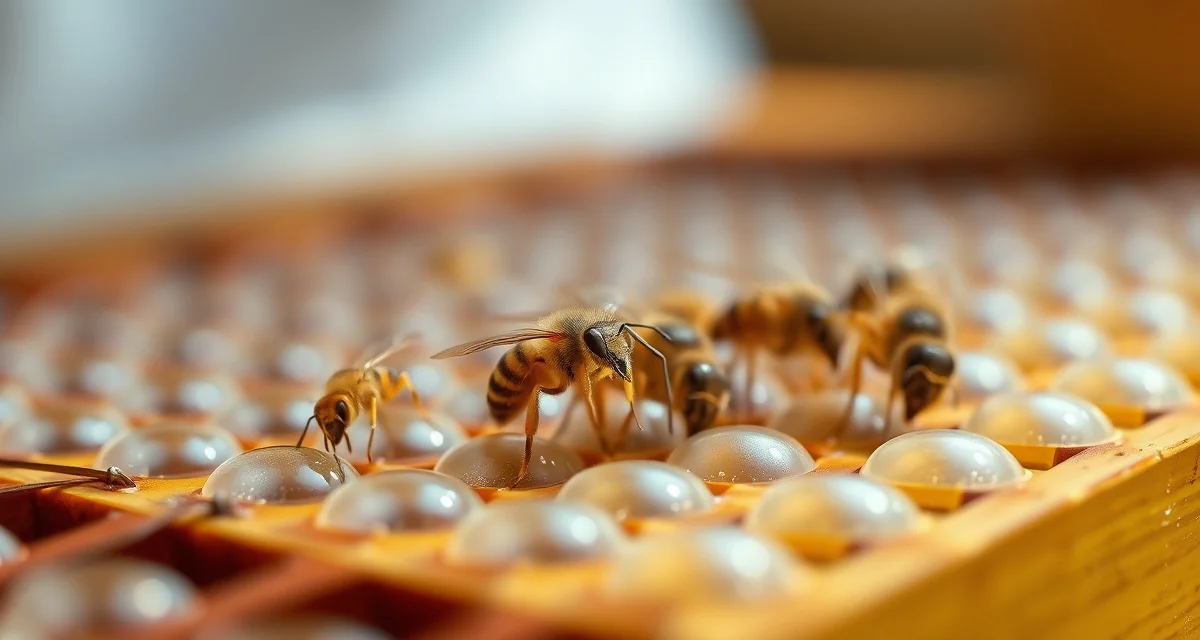
Varroa Mite Reinfestation: Why Your Counts Can Spike After Treatment
You treated. You confirmed it worked. Then 30 days later you ran another wash and the count was back up. Now what?
This is more common than most beekeepers expect, and it's not always a sign that treatment failed or that resistance is developing. Reinfestation is real, it's well-documented, and in some locations it happens fast enough to undo a successful treatment within a single month.
TL;DR
- This guide covers key aspects of varroa mite reinfestation: why your counts can spike after t
- Mite monitoring should happen at minimum every 3-4 weeks during active season
- The 2% threshold in spring/summer and 1% in fall are standard action points based on HBHC guidelines
- Always run a pre-treatment and post-treatment mite count to calculate efficacy
- Treatment records including product name, EPA number, dates, and counts are required for state inspection compliance
- VarroaVault stores all monitoring and treatment data with automatic threshold comparison and state export formatting
Where the Mites Come From
Varroa doesn't spontaneously regenerate in your hive. After a successful treatment, any mites that show up again came from outside, or from a small number that survived treatment and reproduced quickly in remaining brood.
The primary reinfestation routes are:
Drifting bees. Worker bees, especially at apiary edges and in straight-row setups, drift between colonies constantly. A drifting bee from a heavily infested neighbor brings mites with her. In dense suburban areas or when apiaries are close together, this is a constant pressure.
Robbing. When a weak or untreated colony nearby is robbed out, the robbing bees scatter mites throughout the apiary. A single robbing event from a heavily loaded source can inoculate every colony in range.
Your own equipment. Frames, tools, and drawn comb can carry mites between colonies, especially if you're combining or splitting without checking mite levels first.
Urban and suburban beekeepers can experience reinfestation that doubles mite loads within 4 weeks of a successful treatment. That's not a hypothetical; it's a documented pattern in high-density beekeeping areas.
Distinguishing Reinfestation from Treatment Failure
This matters because the response is different. Treatment failure, especially if it's happening repeatedly, suggests resistance and requires a treatment rotation. Reinfestation just requires better monitoring and potentially source-colony identification.
A few ways to tell the difference:
If your post-treatment count dropped by 90%+ immediately after treatment and then climbed back slowly, that's reinfestation. The initial efficacy was there.
If your counts didn't drop significantly after treatment, or dropped only 60-70%, that's a treatment efficacy problem. Think resistance or application error.
Reinfestation typically shows a climbing trend starting 3-5 weeks after treatment. Resistance shows a poor drop from day one. Log your mite count tracking carefully and the pattern will become visible.
Also consider your neighbors. If you know of untreated colonies within 2-3 miles, especially collapsing feral colonies or hobbyists who don't treat, you're in a high-reinfestation-risk situation regardless of how well you manage your own hives.
What to Do About It
You can't build a wall around your apiary. What you can do is monitor more frequently and respond faster.
After any treatment, schedule a follow-up count at 30 days. Not 6 weeks, not "next time I'm out there." 30 days. VarroaVault auto-schedules post-treatment monitoring reminders at 30 days after every logged treatment entry, so this happens automatically without you having to remember.
If your 30-day count is climbing back toward threshold, you have a decision to make. A second treatment may be necessary. In high-reinfestation environments, some beekeepers treat on a shortened 45-60 day rotation rather than the standard 3-4 month cycle.
Stronger colonies resist reinfestation better. A large, healthy cluster can suppress incoming mites through normal grooming and hygienic behavior more effectively than a struggling colony. Keeping colony strength up is part of reinfestation management.
Also review your treatment threshold alerts settings so you get notified the moment a count crosses the line, not weeks later.
If You're in a High-Density Area
Talk to other beekeepers. Coordinated treatment in a neighborhood or club area reduces the mite pressure on everyone. When every beekeeper within a mile treats during the same 2-week window, the reinfestation rate drops because there are fewer mite-loaded colonies pumping out infested drifters.
It's not always possible to organize, but when it is, it works. Some local bee clubs have moved to community treatment calendars for exactly this reason.
Frequently Asked Questions
How quickly can varroa mites reinfest after treatment?
Very quickly. In high-density beekeeping areas with nearby untreated or collapsing colonies, mite loads can double within 4 weeks of a successful treatment. Reinfestation rate depends on the density of mite-loaded colonies nearby, the amount of drifting and robbing activity, and the strength of your own colony. Plan to do a 30-day post-treatment count regardless of how well treatment appeared to work.
How do I know if high post-treatment counts are reinfestation or treatment failure?
Look at the pattern. If your mite count dropped by 90%+ immediately after treatment and then gradually climbed back up over the next 4-6 weeks, that's reinfestation behavior. If your count didn't drop well after treatment initially, that points to a treatment efficacy problem, either resistance, application error, or a treatment method that wasn't suited to your conditions. Detailed count logging over time makes this distinction clear.
Does VarroaVault schedule post-treatment follow-up counts?
Yes. Every time you log a treatment in VarroaVault, the platform automatically schedules a post-treatment monitoring reminder at 30 days. You don't have to set it manually. The reminder shows up in your dashboard and via notification so the follow-up count doesn't get forgotten during a busy season.
How do I know if my varroa treatment is working?
Run a mite count 2-4 weeks after the treatment ends and compare it to your pre-treatment count. The efficacy formula is: ((pre-count - post-count) / pre-count) x 100. A result above 90% indicates effective treatment. Results below 80% should trigger investigation for possible resistance, application error, or reinfestation. Log both counts in VarroaVault to track efficacy trends across treatment cycles.
How often should I check mite levels in my hives?
At minimum, once per month (every 3-4 weeks) during the active season. Increase to every 2 weeks when counts are near threshold or after a treatment to verify it worked. In fall, monitoring frequency matters most because the window to treat before winter bees are raised is narrow. VarroaVault's monitoring reminders can be set to your preferred interval for each apiary.
What records should I keep for varroa management?
Each record should include: date of count or treatment, hive identifier, monitoring method used, number of bees sampled, mites counted, infestation percentage, treatment product name and EPA registration number, dose applied, treatment start and end dates, and PHI end date. State apiarists typically expect this level of detail during inspections. VarroaVault captures all of these fields in a single log entry.
What is Varroa Mite Reinfestation: Why Your Counts Can Spike After Treatment?
Varroa mite reinfestation occurs when mite counts rise again after a successful treatment. This happens because mites don't regenerate inside a treated hive — they drift in from neighboring colonies, are carried by forager bees, or reproduce rapidly from a small number that survived in capped brood. It's a well-documented phenomenon that can undo a successful treatment within 30 days, especially during peak foraging season when bee-to-bee contact between colonies is highest.
How much does Varroa Mite Reinfestation: Why Your Counts Can Spike After Treatment cost?
Understanding and managing reinfestation doesn't require expensive equipment. Standard alcohol wash or sugar roll supplies cost under $20. Monitoring every 3–4 weeks is the main ongoing commitment. Treatment products vary — oxalic acid vaporizers run $50–$200, while strips like Apivar or Api-Life VAR typically cost $1–$3 per strip. The real cost of ignoring reinfestation is colony loss, which averages $150–$300 per hive replacement depending on your region and package or nuc prices.
How does Varroa Mite Reinfestation: Why Your Counts Can Spike After Treatment work?
After treatment drops your mite load, the hive remains vulnerable to incoming mites from surrounding apiaries within a 1–3 mile radius. Drifting and robbing bees carry mites with them. Any mites that survived treatment in sealed brood cells will also emerge and reproduce within days. Combined, these two pathways can restore mite populations to pre-treatment levels within 4–6 weeks, which is why post-treatment monitoring at 30 days is critical rather than optional.
What are the benefits of Varroa Mite Reinfestation: Why Your Counts Can Spike After Treatment?
Understanding reinfestation helps you stop blaming treatment failure when counts rebound. It shifts your response from retreating immediately to investigating source — whether from nearby feral colonies, neighboring apiaries, or brood that wasn't fully exposed during treatment. This leads to smarter decisions: adjusting timing, coordinating treatment with neighboring beekeepers, or targeting broodless periods. It also reinforces the value of regular monitoring rather than treating reactively, which reduces unnecessary chemical use and slows resistance development.
Who needs Varroa Mite Reinfestation: Why Your Counts Can Spike After Treatment?
Any beekeeper who has ever treated and seen counts rebound needs this information. It's especially relevant for hobbyists in suburban or rural areas near feral colony pressure, commercial operations with hives in shared yards, and beekeepers treating in spring or summer when forager drift is highest. New beekeepers who believe one treatment solves the problem permanently are particularly at risk of losing colonies. If you're monitoring regularly and still seeing spikes, reinfestation is likely the first explanation to rule out.
Sources
- American Beekeeping Federation (ABF)
- USDA ARS Bee Research Laboratory
- Honey Bee Health Coalition
- Penn State Extension Apiculture Program
- Project Apis m.
Get Started with VarroaVault
The information in this guide is most useful when you have your own mite count data to apply it to. VarroaVault stores every count, flags threshold crossings automatically, and builds the treatment history you need for state inspections and effective management decisions. See pricing and free tools at varroavault.com.