Creating an Audit Trail for Varroa Treatments: Why It Matters
State apiarists who conduct formal audits increasingly require timestamped digital records rather than handwritten paper logs. This shift reflects a broader change in how regulatory compliance is evaluated: a handwritten log tells an auditor what you claim happened, while a timestamped digital record with immutable modification history tells them when you recorded it and whether anything was changed afterward.
The distinction matters because an audit trail isn't just documentation, it's documentation with provenance. It establishes not only what was done but when the record was created and whether it's been altered. For commercial beekeepers, organic certification, and any beekeeper facing a formal inspection, that difference is the gap between records that hold up and records that don't.
TL;DR
- Treatment decisions should always be triggered by a mite count result, not a fixed calendar date
- Different treatments have different temperature requirements, PHI restrictions, and brood penetration capabilities
- Always run a post-treatment count 2-4 weeks after treatment ends to calculate efficacy
- Efficacy below 80% warrants investigation -- possible resistance, application error, or reinfestation
- Rotate treatment chemistry to prevent resistance buildup across successive cycles
- VarroaVault logs treatment events, calculates efficacy, and flags when rotation is recommended
What Is a Treatment Audit Trail?
An audit trail is a chronological record of every action taken, every decision made, and every change to a record in your management system. For varroa treatment records specifically, a complete audit trail includes:
Entry-level documentation:
- Treatment applied (product, EPA registration number, dose)
- Date and time of application
- Colonies treated (IDs, count, apiary location)
- Applicator name
- Mite count that prompted the treatment decision
- PHI calculated from application
Modification history:
- If a record is edited after initial entry, the original value, the new value, the date of change, and the user who made the change are all preserved
- Deleted records are flagged as deleted rather than removed from the audit log
Decision documentation:
- The mite count that triggered the treatment decision
- The threshold applied
- Any notes about why a treatment was or wasn't applied when counts were borderline
Compliance verification:
- PHI expiry dates as calculated at time of application
- Super removal records confirming compliance with honey super restrictions
- Harvest events confirming no harvest before PHI clearance
This is what a complete audit trail looks like. It's substantially more detailed than a typical paper treatment log.
Why Immutability Matters
The word "immutable" gets used a lot in discussions of digital records, and it's worth explaining what it actually means in practice.
A mutable record can be changed without a trace. A paper log can be erased and rewritten. A spreadsheet cell can be edited and no one will know unless they were watching. A mutable digital record in a basic note-taking app or word processor offers no more auditability than paper.
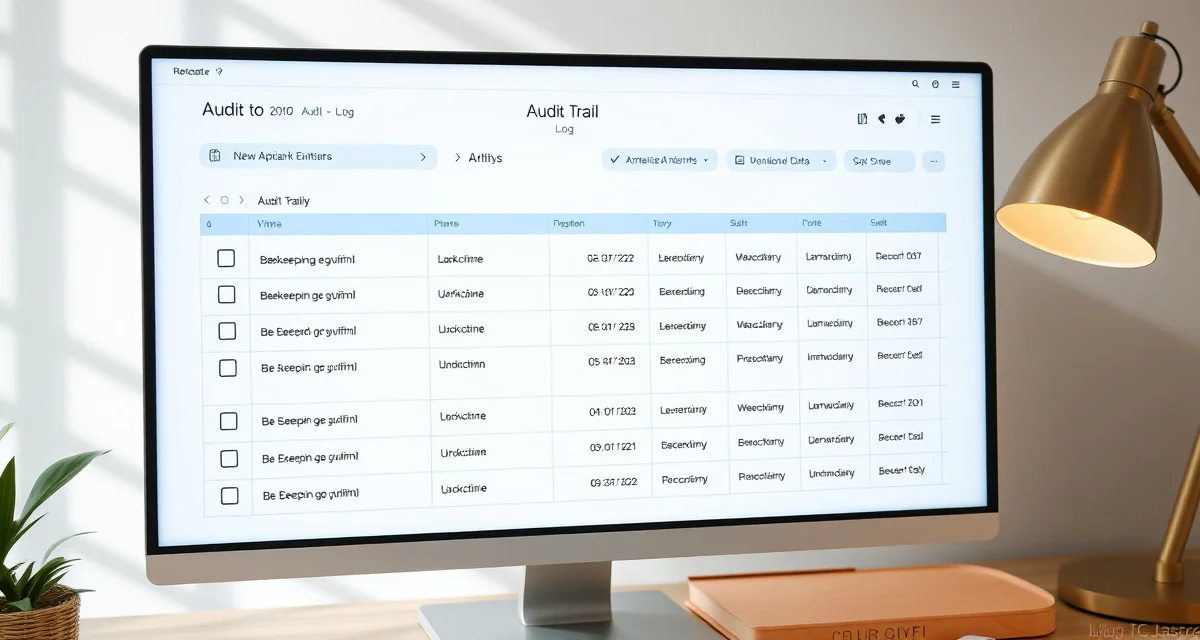
An immutable record preserves the full history of every change. In VarroaVault, the audit trail log records the timestamp, user ID, and change history for every modification to every record. If you entered "August 5" as your treatment date and then changed it to "August 3" two days later, the audit log shows both the original entry and the modification, including when the change was made.
For compliance purposes, this means:
- A regulator can verify that your records weren't reconstructed retroactively after an inspection notice
- A PHI compliance chain is verifiable, if the system shows the PHI expiry was set at time of application, it wasn't calculated backward from a harvest date
- Changes to records during an active inspection period are visible, preventing falsification concerns
For commercial operations facing potential audits, this level of documentation is increasingly the standard expected, not optional.
The Difference Between a Log and an Audit Trail
Many beekeepers have treatment logs. Fewer have audit trails. The difference:
A log records what happened. Dates, products, quantities, results.
An audit trail records what happened and proves the record's integrity. Timestamps at creation, modification history, user attribution, and linkage between related events (count, decision, treatment, follow-up count).
A log is useful for your own management reference. An audit trail is what holds up when someone else is evaluating your records.
Regulatory Trends
The trend toward requiring digital audit trails in agricultural compliance is accelerating. Several states have moved from accepting paper logs to requiring digitally timestamped records for commercial beekeepers. Federal programs including the USDA organic certification process increasingly expect electronic record systems for operations of commercial scale.
The drivers of this shift are straightforward: paper records are easy to falsify, hard to verify, and difficult to audit efficiently. Digital records with immutable history are faster to audit, harder to falsify, and produce cleaner outcomes for both the regulator and the beekeeper.
Commercial beekeepers who invest in a digital system with proper audit trail capability now are ahead of requirements that will likely become universal for larger operations within the next 5-10 years.
Using VarroaVault for Audit Trail Compliance
VarroaVault creates an audit trail automatically with every entry. You don't need to do anything extra to create the trail, it's built into the record system.
Every log entry includes a server-side timestamp applied at the moment of entry, not editable by the user. The user ID of the person who created or modified the entry is recorded alongside the change. If a record is edited, the modification history is preserved and accessible in the record's detail view.
The beekeeping record keeping requirements guide covers the specific field requirements for compliant treatment records. VarroaVault's audit trail system ensures those fields are completed correctly at entry, required fields can't be left blank, impossible values are flagged, and the system prevents common entry errors that would undermine record integrity.
For formal compliance review, the varroa compliance audit guide walks through how to prepare records for a state apiarist inspection using VarroaVault exports.
Preparing Records for Regulatory Review
When a state apiarist requests your treatment records, the process using VarroaVault is:
- Go to Reports and select Compliance Bundle
- Set the date range to the inspection period (usually 12 months)
- Select the document types requested (treatment log, mite counts, PHI records)
- Click Generate Report
- Export as PDF with embedded audit trail summary
The audit trail summary at the end of the report shows the creation timestamps for each major record category, confirming that records were maintained contemporaneously with treatment events rather than reconstructed. This is the documentation that satisfies the "timestamped digital record" requirement that inspectors increasingly look for.
Frequently Asked Questions
What is a treatment audit trail and why do beekeepers need one?
A treatment audit trail is a time-stamped, modification-tracked record of every varroa treatment decision, not just what was applied, but when the record was created, who entered it, and whether it's been changed. Beekeepers need audit trails for three reasons: regulatory compliance (state and federal inspectors increasingly require timestamped records), commercial sales and organic certification (buyers and certifiers require documentation of treatment compliance with PHI requirements), and personal management (audit trails reveal whether your records accurately reflect your management history, which is valuable when reviewing past decisions). For commercial operations, the difference between records that pass an audit and records that don't often comes down to whether they have timestamps and modification histories, not just whether the information is present.
How does VarroaVault create an immutable audit trail?
VarroaVault applies a server-side timestamp to every log entry at the moment it's saved. This timestamp is set by the server, not by the user, and can't be changed retroactively. The user ID of the person who created or modified the entry is recorded alongside the timestamp. If any field in a treatment record is edited after initial entry, the original value, the new value, the modification timestamp, and the modifying user ID are all preserved in the record's change history. This history is accessible in the record detail view and is included in compliance export reports. The system also prevents backdating entries more than 24 hours from the current date without a supervisory override, which maintains the contemporaneous documentation standard that auditors look for.
Can I use VarroaVault audit records in a regulatory compliance review?
Yes. VarroaVault's compliance export generates a formatted report suitable for regulatory submission that includes the audit trail summary for each record category. The report shows creation timestamps confirming when records were entered, modification history for any records that were edited, and the user attribution for multi-user accounts. VarroaVault records meet the documentation requirements of 27 state apiarist offices and are accepted as primary compliance documentation in those states. For federal FIFRA compliance review, the timestamped treatment records with EPA registration numbers and dose documentation satisfy the required treatment record fields. If your state has specific format requirements beyond VarroaVault's standard export, contact VarroaVault support to discuss a custom export configuration.
How do I know if my varroa treatment is working?
Run a mite count 2-4 weeks after the treatment ends and compare it to your pre-treatment count. The efficacy formula is: ((pre-count - post-count) / pre-count) x 100. A result above 90% indicates effective treatment. Results below 80% should trigger investigation for possible resistance, application error, or reinfestation. Log both counts in VarroaVault to track efficacy trends across treatment cycles.
How often should I check mite levels in my hives?
At minimum, once per month (every 3-4 weeks) during the active season. Increase to every 2 weeks when counts are near threshold or after a treatment to verify it worked. In fall, monitoring frequency matters most because the window to treat before winter bees are raised is narrow. VarroaVault's monitoring reminders can be set to your preferred interval for each apiary.
What records should I keep for varroa management?
Each record should include: date of count or treatment, hive identifier, monitoring method used, number of bees sampled, mites counted, infestation percentage, treatment product name and EPA registration number, dose applied, treatment start and end dates, and PHI end date. State apiarists typically expect this level of detail during inspections. VarroaVault captures all of these fields in a single log entry.
What is Creating an Audit Trail for Varroa Treatments: Why It Matters?
An audit trail for varroa treatments is a timestamped, digital record system that documents not just what treatments were applied, but when each record was created and whether it has been modified. Unlike handwritten logs, a proper audit trail includes immutable modification history, giving state apiarists and inspectors verifiable provenance. It captures mite counts, treatment decisions, application dates, temperature conditions, post-treatment efficacy results, and chemical rotations in a way that can withstand formal regulatory scrutiny.
How much does Creating an Audit Trail for Varroa Treatments: Why It Matters cost?
Creating an audit trail for varroa treatments has no fixed cost — the concept refers to a recordkeeping practice, not a product. Free options include spreadsheets or timestamped digital notes. Dedicated hive management software ranges from free tiers to paid subscriptions, typically $5–$30 per month. For commercial operations or certified organic apiaries, investing in purpose-built software with automatic timestamps and modification history is worthwhile, as it reduces compliance risk and simplifies formal inspections.
How does Creating an Audit Trail for Varroa Treatments: Why It Matters work?
An audit trail works by capturing each treatment event with an automatic timestamp at the moment of recording, then storing that record in a way that flags any subsequent edits. When you log a mite count, treatment type, application date, temperature, and post-treatment efficacy result, the system preserves both the data and its history. Inspectors or certifiers can then verify not only what you recorded but that the record wasn't backdated or altered after the fact.
What are the benefits of Creating an Audit Trail for Varroa Treatments: Why It Matters?
A proper audit trail protects commercial beekeepers during state apiary inspections, supports organic certification renewals, and provides legal defensibility if a treatment dispute arises. Beyond compliance, it creates a structured history that reveals patterns — recurring reinfestation, declining treatment efficacy, or resistance trends — allowing earlier intervention. It also enforces good practice by prompting mite-count-triggered decisions rather than calendar-based ones, and documents chemistry rotation to prevent resistance buildup over successive treatment cycles.
Who needs Creating an Audit Trail for Varroa Treatments: Why It Matters?
Any beekeeper subject to formal inspection or certification benefits from an audit trail, but it is essential for commercial beekeepers, those pursuing or maintaining organic certification, and operations in states where apiarists conduct structured compliance audits. Hobbyist beekeepers managing multiple hives or selling honey also benefit, as treatment records support label claims and provide documentation if a colony loss or contamination question is ever raised by a buyer, inspector, or insurer.
Related Articles
Sources
- American Beekeeping Federation (ABF)
- USDA ARS Bee Research Laboratory
- Honey Bee Health Coalition
- Penn State Extension Apiculture Program
- Project Apis m.
Get Started with VarroaVault
The information in this guide is most useful when you have your own mite count data to apply it to. VarroaVault stores every count, flags threshold crossings automatically, and builds the treatment history you need for state inspections and effective management decisions. See pricing and free tools at varroavault.com.