beehive trail acadia: the complete hiking guide
TL;DR
- The Beehive Trail is a short, steep, iron-rung hike in Acadia National Park, Maine, not a beekeeping site.
- It's about 1.4 to 1.5 miles round trip with roughly 450 feet of elevation gain, involves exposed cliff scrambling with ladders and rungs, and is not recommended for anyone with a fear of heights or young kids.
what is the beehive trail in acadia national park
The Beehive Trail is a short, steep hiking route in Acadia National Park on Mount Desert Island, Maine. It climbs a granite dome called The Beehive, right across the road from Sand Beach and near Gorham Mountain. The National Park Service manages Acadia and lists trails like this one among the park's most iconic, and most intense, short hikes [1].
If you searched for "beehive trail acadia" expecting anything about honey bees or beekeeping, you're in the right place for information, just the wrong hive. This is a rock formation named for its rounded, hive-like shape, not an apiary. We cover actual beehive and varroa mite management elsewhere on this site, but this guide is about the hiking trail specifically, because a lot of people land here confused and we'd rather give you a straight, accurate answer than a forced connection.
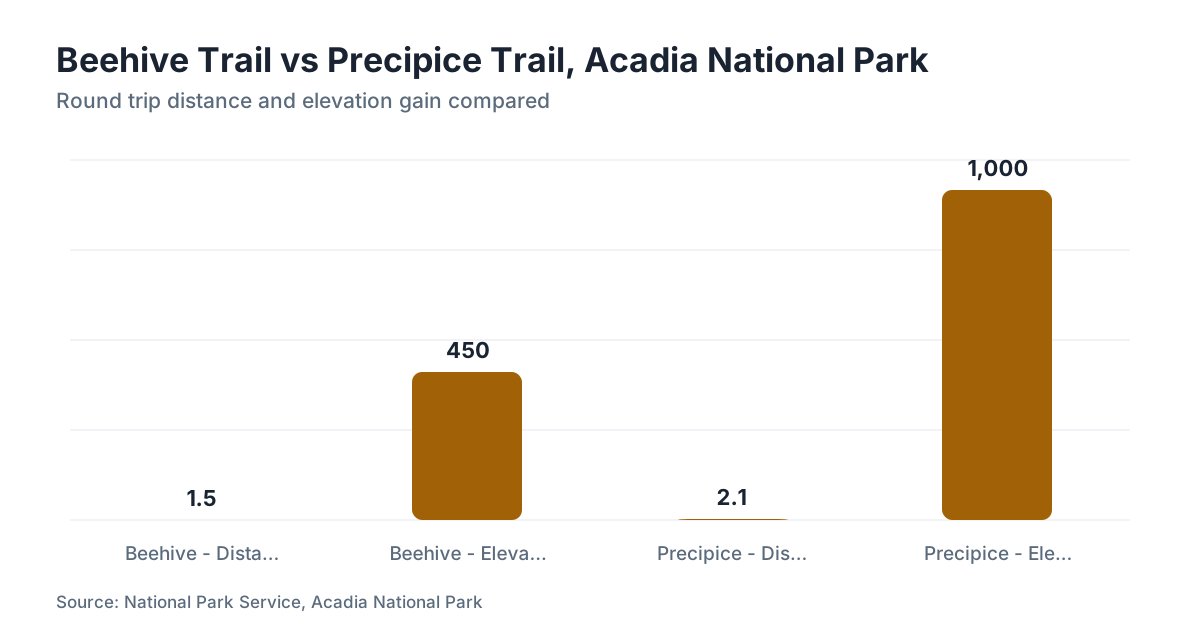
The trail is short on distance and long on adrenaline. Most sources put the round trip at about 1.4 to 1.5 miles with 450 to 500 feet of elevation gain, depending on whether you loop back via the Bowl Trail or return the way you came [1][2]. It typically takes people 1 to 2 hours to complete, though nervous hikers on the ladder sections take longer.
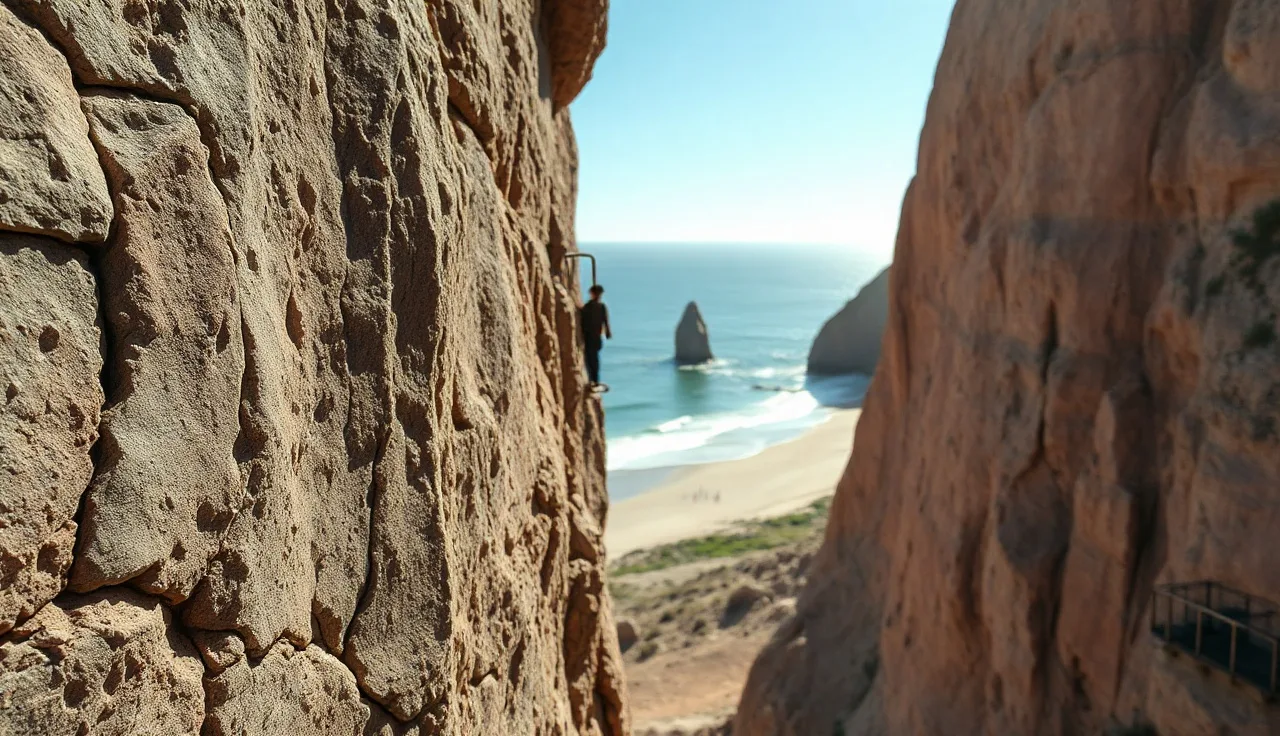
What makes it famous isn't the mileage, it's the exposure. Sections require climbing iron rungs and ladders bolted into open rock faces with real drop-offs beside you. It's one of two classic "iron rung" trails in Acadia, the other being the Precipice Trail nearby.
how hard is the acadia beehive trail
The Beehive Trail is short but rated strenuous because of sustained exposure, not distance. Acadia hiking guides and NPS trail information consistently flag it as one of the more difficult short trails in the park due to iron rungs, narrow ledges, and cliff-edge scrambling [1][3].
Don't let the 1.5-mile figure fool you.
Comparable-distance trails elsewhere might take 30 minutes. This one takes an hour or more for most people because you're moving slowly and carefully on rock, often waiting for other hikers to clear a rung section ahead of you. The climbing itself uses iron rungs, short ladders, and some free rock scrambling with limited handholds. There is genuine fall risk on parts of the ascent.
This isn't hyperbole for marketing purposes, it's the same language you'll find in NPS trail descriptions and Acadia visitor guides [1].
Physical fitness matters less here than comfort with heights and steady footing. Someone in decent shape but afraid of exposed edges will have a harder time than a moderately fit hiker who is fine with heights.
is the beehive trail safe for kids and beginners
The Beehive Trail is not recommended for young children, hikers afraid of heights, or anyone unsteady on exposed rock. NPS and Acadia-focused hiking resources advise caution or an alternate route for these groups [1][3].
There's no official minimum age posted by NPS, but most experienced Acadia hikers and local guide services suggest kids should be comfortable following instructions closely, have decent upper body strength for the rungs, and show no fear of heights before attempting it. Some families successfully bring capable 8 to 10 year olds. Others find even teenagers hesitate on the exposed sections.
Beginners to hiking in general should also think twice. This isn't a trail to "work up to" fitness on. It rewards experience with scrambling and comfort on rock more than raw endurance.
If you're unsure, Gorham Mountain Trail nearby offers similar granite dome views with far less exposure, and it connects to some of the same trail network. It's a common recommended alternative for families or anyone hesitant about the rungs.
where does the beehive trail start and how do you get there
The Beehive Trail trailhead is located along the Park Loop Road in Acadia National Park, at a small parking area near Sand Beach, roughly across the road from the Sand Beach entrance station [1][2]. Parking is limited and fills early, especially July through September.
Most visitors reach it by driving the Park Loop Road or by taking the free Island Explorer shuttle, which operates seasonally and stops near Sand Beach [4]. Arriving before 8 or 9 a.m. is the practical way to get a parking spot in peak season. By mid-morning in summer the small lot and roadside pull-offs are typically full.
An entrance pass is required to enter Acadia National Park. As of recent NPS fee schedules, a private vehicle pass runs $35 for 7 days, with an annual Acadia pass at $70 [5]. Fees are set by NPS and can change, so check the current fee page before you go.
The trail sits close to several other popular Acadia hikes, including Gorham Mountain, the Bowl, and Champlain Mountain, so many hikers combine it into a loop rather than an out-and-back.
what is the beehive trail loop and how long does it take
A common variation is the Beehive Loop: up the iron rungs of the Beehive, across the summit, down past The Bowl (a small pond), and back to the trailhead or onward to Gorham Mountain. This loop is typically cited around 1.5 to 2 miles depending on the exact route and any extension to Gorham Mountain [2][3].
Most hikers complete the basic Beehive-to-Bowl loop in 1.5 to 2.5 hours, including time to enjoy the summit views over Sand Beach and the Atlantic. Adding Gorham Mountain extends the trip to a half-day outing of 3 to 4 miles total and several more hours.
The summit of the Beehive sits at roughly 520 feet elevation, modest by mountain standards but dramatic given its proximity to the ocean. You get sweeping views of Sand Beach, Great Head, and the water almost immediately after the climb [1].
Many hikers descend via the Bowl Trail rather than retracing the rungs, both to avoid downclimbing the exposed sections and to see the pond.
when is the best time to hike the beehive trail
Late spring through early fall is the realistic window for the Beehive Trail. NPS has closed certain Acadia cliff trails in past seasons for peregrine falcon nesting, and hikers should check current park alerts before planning a climb since these closures can affect cliff trails on a given year [6].
Summer (June through August) has the most reliable dry rock and daylight but also the heaviest crowds and trailhead parking pressure. Fall (September, early October) often has cooler temperatures, fewer crowds, and still-stable weather, making it a favorite window for experienced Acadia hikers.
Wet or icy rock is a real hazard here.
The iron rungs and granite faces become significantly more dangerous when rain-slicked, and NPS and local guides recommend avoiding the trail entirely in wet, icy, or foggy conditions [1][3]. Winter ascents are attempted by a small number of experienced scramblers but are not something NPS encourages for typical visitors.
Early morning starts, ideally before 8 a.m., help you beat both parking congestion and the midday crowding that can back up hikers at the narrower rung sections.
what should you bring on the acadia beehive trail
Bring sturdy hiking shoes with real grip, water, and both hands free, since you'll need them on the rungs and ladders. A daypack that sits close to your back (not a loose duffel or bag swinging around) makes the scrambling sections much easier and safer.
Skip anything you're not comfortable holding with one hand or leaving in a pack. Trekking poles are generally impractical on this trail since you need your hands for climbing; most hikers stash poles in a pack or skip them for this one.
Water is important since there's no source on the trail itself, and even a short, strenuous climb in summer heat and direct granite sun exposure can dehydrate you faster than expected. A liter per person for the loop is a reasonable baseline, more in hot weather.
Leave dogs at home for this one, or check current NPS pet rules carefully. Even where pets are technically allowed on Acadia trails generally, the exposed rungs make this a poor choice for a hike with a dog on leash.
beehive trail vs precipice trail, what's the difference
The Precipice Trail on Champlain Mountain is Acadia's other famous iron-rung trail, and it's generally considered longer and more demanding than the Beehive [1][3]. Precipice runs roughly 2.1 to 2.5 miles round trip with about 1,000 feet of elevation gain, roughly double the Beehive's gain over a similar or slightly longer distance.
Both trails share the ladder-and-rung climbing style, and both have been closed seasonally in past years for peregrine falcon nesting, since both climb cliff habitat used by nesting falcons [6]. Precipice has historically seen longer or more frequent closures because of this.
If you want a taste of Acadia's iron-rung hiking without committing to the longer Precipice climb, Beehive is the shorter, slightly gentler introduction, though "gentler" here is relative. Hikers who find Beehive comfortable and want more exposure often move on to Precipice on a later trip.
Neither trail is a good pick for a first-ever hike of the trip if you're unsure about heights. Many Acadia visitors do Gorham Mountain or Cadillac Mountain's easier routes first to gauge comfort before attempting either iron-rung trail.
wait, is this about honey bees or a hiking trail?
This is a hiking trail. "Beehive" here refers to the rounded shape of the granite dome, not an actual apiary or bee colony [1].
If you're a beekeeper or hobbyist who searched "beehive trail" hoping for information about hive placement, varroa mite treatment timing, or hive management protocols, this specific page won't have that, but the rest of our site does.
We cover real beehive management topics including beehive basics, seasonal varroa mite management protocols, and treatment product guidance elsewhere on VarroaVault. If you landed here by accident while researching actual beekeeping, our honey bee and honey bees guides are a better next stop.
The naming overlap is genuinely confusing in search results, and we'd rather tell you plainly than pad this page with forced beekeeping content that doesn't belong. Acadia's Beehive is a rock formation. A beekeeper's beehive is a wooden box full of frames and bees. Different things entirely, same word.
are there other beehive-named trails or hikes worth knowing about
Acadia's Beehive is the most searched "beehive trail," but the name shape (a rounded, hive-like summit) shows up informally elsewhere in New England hiking circles, though none carry the same national recognition. If you searched broadly for "beehive hike" outside Maine, you likely mean this one; it's the dominant, well-documented result and the one covered by NPS.
Within Acadia itself, the Beehive connects informally to a small network sometimes called the "Beehive-Bowl-Gorham" loop by hikers and local guidebooks, though this isn't an official NPS-named trail, just a popular combination route stitched from three named trails [2][3].
If your interest is actual honeybee colonies and hive management rather than hiking, terms like "apiary trail" or "bee yard" are more accurate and you'll find dedicated beekeeping resources under different naming entirely, including hive setup, beekeeping supplies, and species selection guides.
practical trip planning: fees, permits, and parking for acadia's beehive trail
Acadia National Park requires an entrance pass for all vehicles, currently $35 for a 7-day private vehicle pass or $70 for an annual Acadia pass, per NPS fee schedules [5]. No separate permit is needed specifically for the Beehive Trail beyond the general park entrance fee.
Parking at the Beehive/Sand Beach trailhead area is limited. NPS has, in recent years, required a vehicle reservation for the Cadillac Summit Road at certain times, though the Sand Beach/Beehive area itself has generally not required a separate timed reservation as of recent seasons. Policies do shift year to year, so checking the current NPS Acadia planning page before your trip is the safest move [5][4].
The free Island Explorer shuttle bus, supported by Friends of Acadia and operating seasonally (roughly late June through Columbus Day in recent years), stops near Sand Beach and is a genuinely good way to avoid the parking scramble entirely [4].
Bring cash or card for park entry if paying at a gate, though many visitors now buy passes online in advance through the NPS recreation site before arrival.
Frequently asked questions
How long is the Beehive Trail in Acadia National Park?
Round trip is typically about 1.4 to 1.5 miles with roughly 450 to 500 feet of elevation gain, per National Park Service trail information. Most hikers take 1 to 2 hours, longer if looping to the Bowl and Gorham Mountain, since the iron rung sections slow everyone down regardless of fitness level.
Is the Beehive Trail dangerous?
It involves real exposure: iron rungs, ladders, and narrow ledges with drop-offs. It's not technical rock climbing, but falls have occurred and NPS lists it among the park's more hazardous short trails. Dry conditions, sturdy shoes, and comfort with heights matter more here than general fitness.
Can beginners hike the Beehive Trail?
It's not ideal for hiking beginners or anyone uneasy with heights. The climbing style (rungs, ladders, exposed rock) rewards scrambling experience more than endurance. Nearby Gorham Mountain Trail offers similar views with much less exposure and is a common beginner-friendly alternative.
Is the Beehive Trail closed for falcon nesting?
Acadia does close certain cliff trails seasonally to protect nesting peregrine falcons, historically affecting Champlain Mountain's Precipice Trail most notably. Beehive area closures have occurred in some seasons too. Check current NPS Acadia alerts before your trip since status changes year to year.
Where is the Beehive Trail trailhead?
The trailhead sits along Park Loop Road near Sand Beach in Acadia National Park, Maine. Parking is limited and fills early in peak summer months. The free seasonal Island Explorer shuttle also stops near Sand Beach as an alternative to driving.
How much does it cost to hike the Beehive Trail?
There's no separate trail fee, but Acadia National Park requires an entrance pass: $35 for a 7-day private vehicle pass or $70 for an annual pass, per current NPS fee schedules. Fees can change, so confirm current pricing on the NPS Acadia fees page before visiting.
What is the elevation gain on the Beehive Trail?
About 450 to 500 feet over roughly 0.7 to 0.8 miles one way, reaching a summit around 520 feet. The gain is modest by mountain standards, but it happens quickly on exposed granite via iron rungs, which is what makes the climb feel much harder than the numbers suggest.
Is the Beehive Trail the same as the Precipice Trail?
No, they're different trails, though both use iron rungs and ladders on exposed cliffs. Precipice, on Champlain Mountain, is longer (about 2.1 to 2.5 miles round trip) with roughly double the elevation gain of the Beehive, and is generally considered the more demanding of the two.
Can you bring a dog on the Beehive Trail?
It's not recommended even where pets are technically permitted on Acadia trails generally, since the rung and ladder sections require both hands free and steady footing. A dog on leash adds real risk on the exposed scrambling portions. Choose a flatter trail for hiking with pets.
Does 'beehive trail' have anything to do with beekeeping?
No. The name refers to the rounded, hive-shaped granite dome the trail climbs in Acadia National Park, Maine. It has no connection to honeybee colonies, hive management, or varroa mite treatment. If you're researching actual beekeeping, look for dedicated apiary and hive management resources instead.
What's the best time of year to hike the Beehive Trail?
Late spring through early fall, roughly June through early October, offers the most reliable dry rock and stable weather. Summer has the heaviest crowds; September and early October tend to be cooler with fewer people. Avoid wet, icy, or foggy conditions entirely given the exposed rock sections.
How do you get to the Beehive Trail without a car?
The free, seasonal Island Explorer shuttle bus stops near Sand Beach, close to the Beehive trailhead, and runs roughly late June through Columbus Day in recent years. It's a practical way to avoid the limited and often full trailhead parking during peak summer months.
Sources
- National Park Service, Acadia National Park (official park site): Beehive Trail description, iron rungs, difficulty rating, elevation, and general trail information
- National Park Service, Acadia National Park plan your visit section: Beehive Trail round trip mileage and loop connections to Bowl and Gorham Mountain
- National Park Service, Acadia National Park plan your visit section: Comparison of Beehive and Precipice trail difficulty and trail characteristics
- Friends of Acadia, Island Explorer seasonal shuttle service: Free seasonal shuttle bus service stopping near Sand Beach and the Beehive trailhead
- National Park Service, Acadia National Park fees and passes: Current entrance fee amounts for private vehicle 7-day pass and annual Acadia pass
- National Park Service, Acadia National Park nature and science section: Seasonal cliff trail closures in Acadia to protect nesting peregrine falcons
- National Park Service, general national park visitor safety guidance: General context on NPS management of trail safety information across parks
- U.S. National Park Service, main site: Background on NPS entrance fee structure applied to parks including Acadia
Last updated 2026-07-09