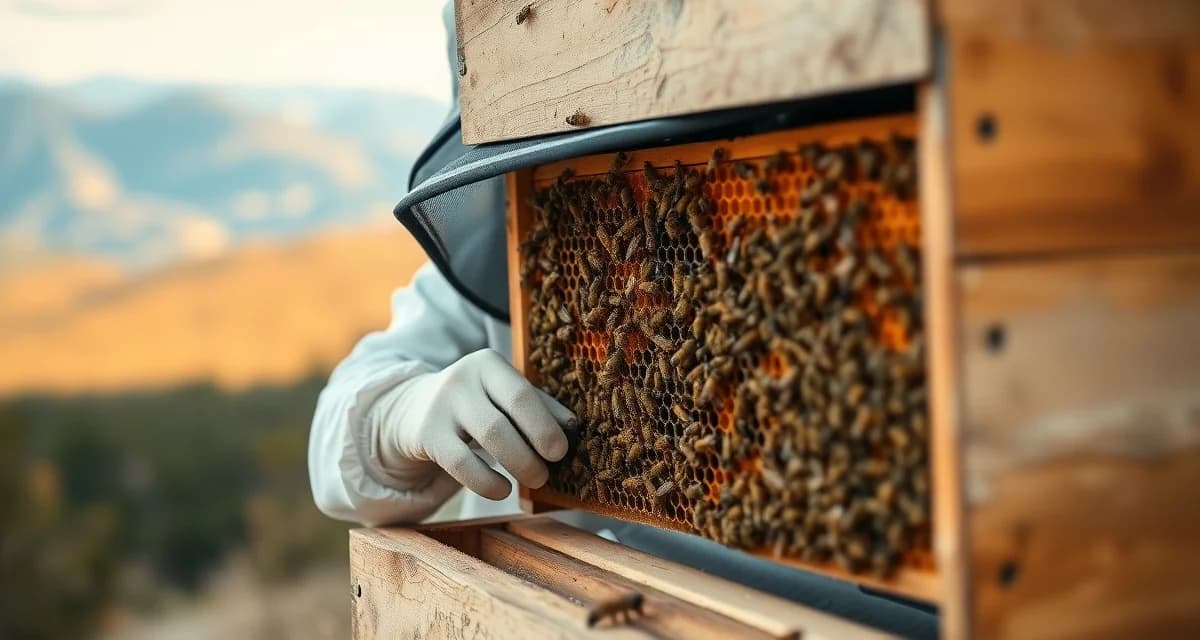
Beekeeping Software for North Carolina Beekeepers: Mountain to Coast Varroa Tracking
North Carolina is one of the most biodiverse beekeeping states in the country, supporting over 20,000 registered colonies across a landscape that stretches from the Blue Ridge Parkway down to the Outer Banks. That geographic range is not a minor detail. It's the central challenge of beekeeping here.
If you're keeping bees in the mountains near Asheville, your season runs shorter and your fall treatment window closes earlier than it does for a beekeeper in Wilmington. Generic beekeeping software doesn't know that. It sends you the same reminder at the same time regardless of where you actually are. VarroaVault is built differently: the platform's North Carolina climate zone selector adjusts treatment window alerts for Mountain, Piedmont, and Coastal Plain regions separately, so your reminders reflect your actual conditions.
TL;DR
- North Carolina's climate means ranges from mountain climate to coastal plain, requiring different treatment timing by region
- Mountain regions may get a reliable broodless period while coastal areas do not
- All EPA-registered varroa treatments are available in North Carolina; check with your state apiarist for local restrictions
- Monthly mite monitoring (every 30 days) is recommended year-round to catch pressure spikes early
- PHI management is important around North Carolina's nectar flows to avoid contaminating honey
- VarroaVault exports treatment records formatted for North Carolina state inspection requirements
Why Generic Beekeeping Apps Fail NC Beekeepers
Most beekeeping apps were designed with a single, undifferentiated climate in mind. They might tag you as "North Carolina" and apply a generic mid-Atlantic schedule that vaguely fits Raleigh in a good year.
That leaves mountain beekeepers getting alerts too late and coastal beekeepers getting them too early. The Appalachian highlands and the Tidewater coast behave like different states when it comes to colony biology. A broodless window that arrives in October in Cherokee County might not happen until December near the coast. That timing affects everything from your oxalic acid dribble protocol to your fall Apivar strip window.
No other beekeeping software creates content, or builds tools, specifically for NC's diverse climate zones from Appalachia to the coast.
How VarroaVault Works for North Carolina
When you set up your apiary in VarroaVault, you select your NC climate zone: Mountain, Piedmont, or Coastal Plain. From that point, the system calibrates your treatment window alerts, broodless period estimates, and PHI calendar countdowns to match your region's actual conditions.
Mountain Zone (Appalachian Highlands)
Beekeepers in counties like Watauga, Avery, and Ashe face a compressed season. The nectar flow wraps up earlier, fall comes faster, and you need to have your varroa treatment in place before the mountains go cold. VarroaVault pushes your fall treatment window reminders earlier in the season to reflect this reality.
Piedmont Zone (Central NC)
The Piedmont sits in the middle, literally and climatically. You get a solid spring build-up, a meaningful tulip poplar flow, and a reasonable fall window. VarroaVault's Piedmont settings reflect the timing that actually works for beekeepers in Wake, Guilford, and Mecklenburg counties, not a guess borrowed from Virginia or South Carolina.
Coastal Plain Zone (Eastern NC and Tidewater)
Coastal and eastern NC beekeepers often see extended fall seasons. Warmer temperatures push the broodless window later. That matters a lot if you're planning an oxalic acid dribble, applying too early means you're treating through capped brood and losing half your efficacy. VarroaVault's coastal settings hold off the "broodless window approaching" alert until the timing is actually right for your location.
NCDA Compliance Records
North Carolina's Department of Agriculture and Consumer Services (NCDA) expects beekeepers to maintain treatment records. If you're registered with the state, those records matter during inspections.
VarroaVault generates NCDA-compliant treatment records automatically from every treatment you log. Treatment type, date, colony ID, dosage, and PHI countdown are all captured and exportable in a format your state inspector can review. You're not piecing together a spreadsheet from memory, you have a complete, timestamped record for every hive.
What Your NCDA Records Should Include
- Treatment product name and active ingredient
- Application date and colony identifier
- Mite count that triggered the treatment decision
- pre-harvest interval calculation and super-removal date
- Post-treatment count confirming efficacy
VarroaVault captures all of this automatically.
Related Articles
FAQ
When should Piedmont NC beekeepers do fall treatment?
Piedmont NC beekeepers typically target August through mid-September for their primary fall varroa treatment. Colonies need to produce the "winter bees" that will carry them through to spring, and those bees must develop in low-mite conditions. Treating after October is often too late to protect the bees that matter most.
What records does North Carolina NCDA require?
NCDA recommends that beekeepers maintain records of all treatments applied, including product name, application date, dosage, colony identification, and any pre-harvest interval. While record-keeping requirements vary by situation, having complete records protects you during inspections and demonstrates responsible management.
Does VarroaVault handle NC's mountain versus coastal climate?
Yes. VarroaVault includes a North Carolina climate zone selector that adjusts treatment window alerts, broodless period timing, and PHI calendar countdowns separately for Mountain, Piedmont, and Coastal Plain beekeeping regions. You're not getting a generic NC schedule, you're getting alerts calibrated to where you actually keep bees.
Is VarroaVault available to beekeepers in North Carolina?
Yes. VarroaVault is available to beekeepers across all 50 states including North Carolina. The app supports state-specific PHI calendars, monitoring reminders calibrated to your region's nectar flow and temperature patterns, and export formats suitable for North Carolina apiary inspection requirements.
What records does the North Carolina state apiarist expect during an apiary inspection?
While requirements vary and you should confirm with your state apiarist, most states expect treatment records that include the product name, EPA registration number, application dates, hive identifiers, and applicant name. Beekeepers in North Carolina should also be prepared to document mite count results from the monitoring periods before and after each treatment. VarroaVault's export function generates this information in a formatted PDF.
Does VarroaVault support tracking multiple apiaries in North Carolina?
Yes. VarroaVault supports unlimited apiary locations within a single account. Each apiary can have its own set of hives with individual treatment and mite count records. For North Carolina beekeepers managing multiple yards across different counties or climate zones, yard-level reporting allows you to compare mite pressure and treatment efficacy between locations.
What is Beekeeping Software for North Carolina Beekeepers: Mountain to Coast Varroa Tracking?
VarroaVault's Beekeeping Software for North Carolina Beekeepers is a varroa mite tracking and treatment management platform designed specifically for NC's diverse climate zones. It accounts for the significant differences between Mountain, Piedmont, and Coastal Plain regions—adjusting treatment window alerts so beekeepers near Asheville receive different reminders than those in Wilmington. The platform supports monthly mite monitoring and all EPA-registered varroa treatments, helping North Carolina's 20,000+ registered colonies stay protected year-round regardless of elevation or coastal proximity.
How much does Beekeeping Software for North Carolina Beekeepers: Mountain to Coast Varroa Tracking cost?
VarroaVault offers a free trial so North Carolina beekeepers can explore the platform's climate zone features before committing. Paid plans are available on a subscription basis, with pricing designed to be accessible for hobbyists managing a few hives as well as commercial operations. For the most current pricing details and any regional promotions, visit VarroaVault.com directly. The platform's region-specific treatment reminders and monitoring tools are included across all paid tiers, not locked behind premium upgrades.
Sources
- American Beekeeping Federation (ABF)
- USDA ARS Bee Research Laboratory
- Honey Bee Health Coalition
- Penn State Extension Apiculture Program
- Project Apis m.
Get Started with VarroaVault
North Carolina beekeepers face specific varroa management challenges that generic beekeeping apps are not designed around. VarroaVault handles monitoring reminders, PHI tracking, treatment efficacy scoring, and state inspection export in a single tool built specifically for varroa management. See pricing and free tools at varroavault.com.