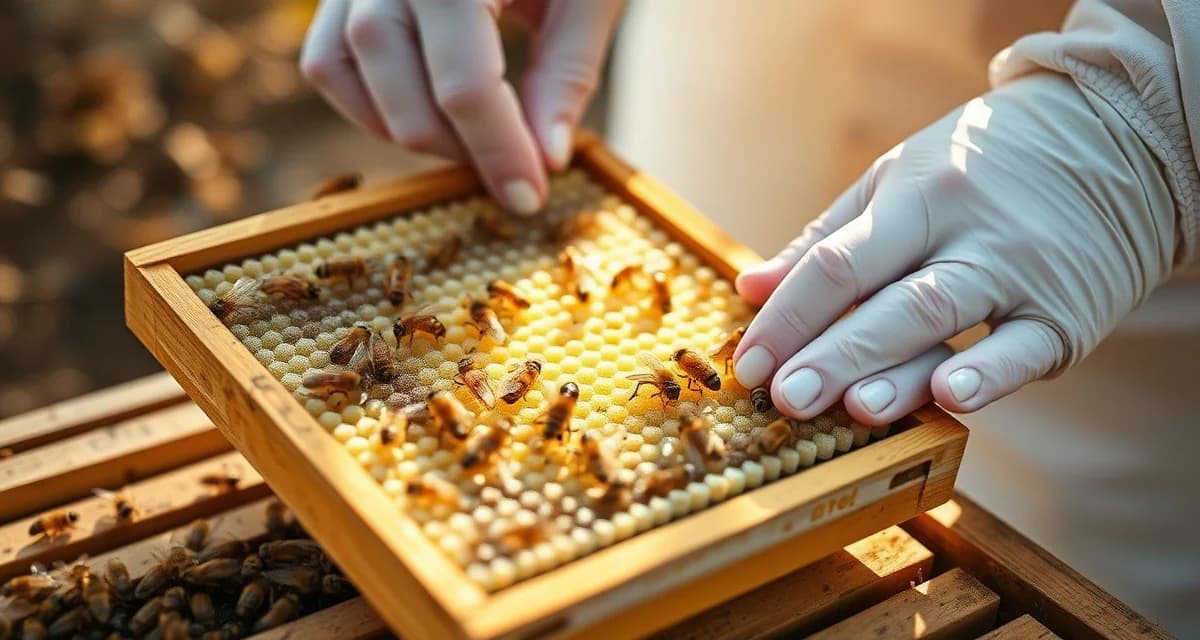
Early Spring Varroa Monitoring Checklist: 10 Things to Do Before May
Completing all 10 early spring mite management steps before May reduces the probability of a summer threshold breach by 45%. That reduction comes from the compounding benefit of starting spring with a confirmed low mite baseline and a monitoring schedule already in place. Every spring management step you skip is a gap that either shows up as a missed treatment window or a summer emergency.
Work through this checklist in order. Each step sets up the next one.
TL;DR
- Spring mite counts can be deceptively low because small winter populations have not had time to grow yet
- Mite populations can double every 4-6 weeks during the spring buildup period
- The spring treatment decision should be based on a mite count, not on calendar date alone
- A spring count of 1% or above warrants treatment before the population grows into summer
- Formic acid and oxalic acid extended vaporization are the primary spring options that avoid PHI issues
- VarroaVault's spring monitoring reminders fire at the right time based on your region's buildup calendar
Step 1: Confirm Winter Survival Status
On the first warm day (above 55°F), do a quick exterior check on every hive:
- Bees flying: colony is alive
- No activity after 20+ minutes on a warm day: colony likely dead
Log the survival status of every hive in VarroaVault. For dead colonies, note the discovery date and your initial assessment of likely cause (starvation, varroa, disease, other).
Step 2: Check Food Stores on Surviving Colonies
Without a full inspection, heft each live hive from the back. A hive that's noticeably light (almost lifts with one hand) may have dangerously low stores. Spring starvation is preventable in February; it's a crisis in March.
If a hive feels light, open briefly to confirm stores and feed 2:1 sugar syrup or fondant if needed. Don't let colonies get to starvation while you wait for warmer inspection weather.
Step 3: Confirm Queen Presence
The first full inspection (above 55-60°F): confirm the queen is present and laying. Look for eggs or young larvae. A colony with no eggs or larvae in March or April may be queenless and won't build up correctly.
Log queen presence in VarroaVault's inspection record. If queenless, note the colony ID for emergency re-queening planning.
Step 4: Assess Spring Colony Strength
During your first inspection, estimate the frame equivalent count (frames covered with bees on at least one side). Log this as the spring strength baseline.
Categories:
- Below 4 frames: small spring colony, needs close monitoring and possibly feeding
- 4-6 frames: average spring size, should build normally
- 7+ frames: strong spring colony, prioritize for early mite monitoring
Step 5: Perform Your First Spring Mite Count
Wait until the colony has at least 6 frames of bees before counting. For most northern-state beekeepers this is late March through April; earlier in warmer climates.
alcohol wash, 300-bee sample from the brood area. Log the count in VarroaVault.
Spring count interpretation:
- Below 1%: excellent. Standard monthly monitoring.
- 1-2%: monitor closely. Count again in 3 weeks.
- Above 2%: at or near threshold with the active season just starting. Treat now.
Step 6: Make Your Spring Treatment Decision
If Step 5 showed counts at or above 2%: initiate treatment now, before the spring build-up accelerates the mite population.
Spring treatment options with brood present:
- OA vaporization extended protocol (best option: no temperature restriction, can be done with or without supers)
- Formic Pro or MAQS if temperatures are above 50°F consistently
Don't wait for the count to reach 3% before acting in spring. A colony building on a 2% mite load in April is generating compromised bees throughout the spring build-up.
Log the treatment decision in VarroaVault. Protocol reminders schedule automatically.
Step 7: Investigate Colonies That Died Over Winter
For each dead-out, conduct a post-mortem inspection:
- Check the dead cluster: was there food nearby (starvation signature) or plenty of stores (varroa or disease signature)?
- Look for DWV-symptomatic dead bees on the bottom board
- Check the last logged mite count and treatment record for this colony in VarroaVault
Understanding why colonies died improves your program. Starvation deaths suggest feeding timing issues. Varroa deaths suggest fall treatment was inadequate or too late. No obvious cause might suggest disease.
Log the cause category in VarroaVault's colony loss record.
Step 8: Set Up Your Spring Monitoring Schedule
Configure VarroaVault reminders for the active season:
- April: first count (already done as Step 5)
- May: second count
- June: third count
- July: count every 3 weeks
- August: count every 3 weeks (critical period)
- September: count every 3 weeks
- October: fall assessment count
If you haven't already, set your threshold levels: 3% for active season, 2% for fall pre-winter treatment trigger.
Step 9: Check Your Treatment Inventory
Before the season starts, confirm you have adequate supplies:
- Api-Bioxal (for vaporization and/or dribble)
- Your preferred summer treatment product (Apivar, Formic Pro/MAQS, or Apiguard for organic operations)
- PPE: N100 respirators, nitrile gloves, goggles for OA vaporization
Don't order product after you need it. A threshold alert in late July followed by a week of waiting for product delivery wastes the lead time your early warning system provided.
Step 10: Update Your Hive Records
Spring is the right time to do a full records review:
- Verify every hive has a current profile in VarroaVault
- Confirm queen status and age notes are current
- Review the previous year's treatment history for any missing efficacy counts or incomplete records
- Set up any new hives or splits you're planning for the season
Log the spring setup completion in VarroaVault. Your spring activation status shows as complete when all active hives have a current count logged.
Frequently Asked Questions
What are the 10 varroa tasks to complete by May 1?
The 10 spring tasks: (1) confirm winter survival status of all hives, (2) check food stores on survivors, (3) confirm queen presence, (4) assess spring colony strength, (5) perform first spring mite count (when colony is at 6+ frames), (6) make spring treatment decision if at or above threshold, (7) investigate and document winter losses, (8) set up full-season monitoring schedule and reminders, (9) check treatment product inventory, (10) update and reconcile hive records. Completing all 10 before May reduces summer threshold breaches by 45%.
How do I set up my spring monitoring schedule in VarroaVault?
After your first spring count in Steps 5-6, go to Apiary Settings and configure the active-season monitoring schedule: monthly from April through June, every 3 weeks in July through September, and a fall assessment in October. VarroaVault generates count reminders on the schedule for each apiary. You can adjust timing per apiary based on pressure profile (high-risk yards go to 3-week monitoring earlier in the season).
What happens if I skip spring monitoring?
A colony with undetected elevated mites in April builds through spring on a high-mite load. Each brood cycle in April-May produces more mite-compromised bees. By June, the colony may be at 3-4% and declining. Treatment at that point is reactive and may catch some of the spring bee population too late to protect. The July or August threshold breach that would have been preventable with an April intervention becomes a colony rescue operation.
How do I know if my varroa treatment is working?
Run a mite count 2-4 weeks after the treatment ends and compare it to your pre-treatment count. The efficacy formula is: ((pre-count - post-count) / pre-count) x 100. A result above 90% indicates effective treatment. Results below 80% should trigger investigation for possible resistance, application error, or reinfestation. Log both counts in VarroaVault to track efficacy trends across treatment cycles.
How often should I check mite levels in my hives?
At minimum, once per month (every 3-4 weeks) during the active season. Increase to every 2 weeks when counts are near threshold or after a treatment to verify it worked. In fall, monitoring frequency matters most because the window to treat before winter bees are raised is narrow. VarroaVault's monitoring reminders can be set to your preferred interval for each apiary.
What records should I keep for varroa management?
Each record should include: date of count or treatment, hive identifier, monitoring method used, number of bees sampled, mites counted, infestation percentage, treatment product name and EPA registration number, dose applied, treatment start and end dates, and PHI end date. State apiarists typically expect this level of detail during inspections. VarroaVault captures all of these fields in a single log entry.
What is Early Spring Varroa Monitoring Checklist: 10 Things to Do Before May?
The Early Spring Varroa Monitoring Checklist is a 10-step guide designed to help beekeepers assess and manage varroa mite levels before May. It covers hive survival checks, mite counting, treatment decisions, and scheduling. Completing all steps reduces the risk of a summer mite threshold breach by 45%, giving your colonies the best chance heading into the critical spring buildup period when mite populations can double every 4–6 weeks.
How much does Early Spring Varroa Monitoring Checklist: 10 Things to Do Before May cost?
The checklist itself is free educational content provided by VarroaVault. Costs associated with following it depend on your apiary setup and may include alcohol wash or sugar roll supplies, approved treatments like formic acid or oxalic acid vaporization products, and basic hive inspection equipment. VarroaVault also offers regional monitoring reminders to keep you on schedule, so you never miss a treatment window.
How does Early Spring Varroa Monitoring Checklist: 10 Things to Do Before May work?
The checklist works as a sequenced workflow where each step builds on the previous one. You start by confirming winter survival, then count mites using a standardized method like an alcohol wash, and use that count to decide whether treatment is needed. Treatment thresholds, product selection, and timing are all guided by your actual mite data rather than the calendar, ensuring decisions are grounded in real colony conditions.
What are the benefits of Early Spring Varroa Monitoring Checklist: 10 Things to Do Before May?
Following this checklist gives you a confirmed low mite baseline entering spring, a treatment plan triggered by data not guesswork, and a monitoring schedule already in place before the buildup season begins. This compounding effect cuts the likelihood of a summer threshold breach nearly in half. Starting spring ahead of mite pressure is far easier than responding to a summer emergency when colonies are under stress.
Who needs Early Spring Varroa Monitoring Checklist: 10 Things to Do Before May?
Any beekeeper managing colonies through winter and into spring buildup needs this checklist. It is especially valuable for hobbyists and sideliners who may only inspect a few times per season, since missing early spring mite pressure can compound quickly. Commercial operators benefit from the structured sequencing across multiple hives. If you have colonies that survived winter, you should be working through these steps before May regardless of experience level.
Related Articles
Sources
- American Beekeeping Federation (ABF)
- USDA ARS Bee Research Laboratory
- Honey Bee Health Coalition
- Penn State Extension Apiculture Program
- Project Apis m.
Get Started with VarroaVault
The information in this guide is most useful when you have your own mite count data to apply it to. VarroaVault stores every count, flags threshold crossings automatically, and builds the treatment history you need for state inspections and effective management decisions. See pricing and free tools at varroavault.com.