Varroa Management for Bearding Colonies: Treating During Hot Weather
Applying OA dribble to a heavily bearded colony can miss up to 40% of exterior bees. Timing application for early morning improves coverage significantly. This operational detail is one of several practical adaptations that make summer varroa treatment on bearding colonies both safer and more effective.
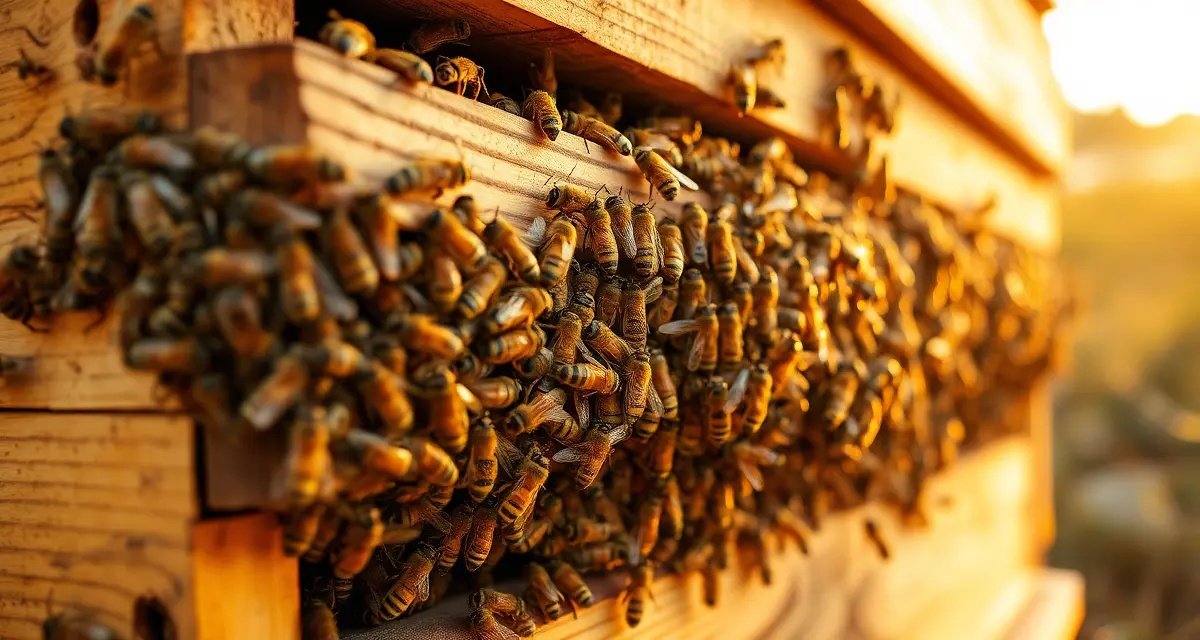
Bearding is normal summer behavior. Bees move outside the hive to regulate temperature when interior heat exceeds about 95°F. In late July and August -- which overlaps directly with your fall treatment window -- a heavily bearding colony may have 20-40% of its adult population clustered on the exterior of the hive box. If your treatment method delivers product only to bees inside the hive, a significant fraction of your mite-carrying bees are being missed.
TL;DR
- Treatment decisions should always be triggered by a mite count result, not a fixed calendar date
- Different treatments have different temperature requirements, PHI restrictions, and brood penetration capabilities
- Always run a post-treatment count 2-4 weeks after treatment ends to calculate efficacy
- Efficacy below 80% warrants investigation -- possible resistance, application error, or reinfestation
- Rotate treatment chemistry to prevent resistance buildup across successive cycles
- VarroaVault logs treatment events, calculates efficacy, and flags when rotation is recommended
Which Treatments Are Affected by Bearding
Not all treatment methods are equally affected by bearding.
OA Dribble: Significantly affected. Dribble is applied between frames inside the hive to the bees contacted by the solution. Bees clustered on the exterior of the box are not contacted. Treatment efficacy on a heavily bearding colony with OA dribble can drop substantially below the 90-97% efficacy achieved on fully clustered colonies. This is one reason OA dribble is most appropriate for broodless colonies in fall, when temperatures have dropped and bearding has stopped.
OA Vaporization: Less affected but not unaffected. Vaporized OA penetrates the hive cavity and contacts phoretic mites on bees inside the hive. Bees on the exterior are not exposed to vaporized OA during the vaporization period. However, after the hive is closed post-vaporization, some exterior bees re-enter and may encounter residual OA. Vaporization coverage on bearding colonies is better than dribble but still below full-cluster coverage.
Apivar Strips: Not directly affected by bearding. Apivar works by continuous contact with the strip material over 42-56 days. Bees that beard during the day return to the hive at night and contact the strips. The slow-release mechanism means brief daily contact is sufficient. Apivar is one of the least bearding-affected treatments.
Formic Acid (MAQS/Formic Pro): Bearding during formic acid treatment can reduce efficacy because the volatile formic acid concentration inside a well-ventilated bearding colony may be lower than in a fully occupied, tightly clustered colony. However, the primary formic acid concern in summer is temperature, not bearding -- if temperatures are within the product's range, formic acid efficacy is typically acceptable.
Thymol: Temperature-dependent and typically not suitable for peak summer bearding conditions (90°F+). The thymol volatilization rate is too high at summer temperatures regardless of bearding.
The Early Morning Solution for Dribble and Vaporization
If you need to dribble or vaporize a bearding colony, timing your application for early morning (4-7 AM) changes the situation dramatically.
In the early morning hours before the sun warms the hive exterior:
- Most or all bees return inside the hive to maintain the cluster temperature overnight
- The exterior of the hive is typically clear of bearded bees or shows only minimal clustering
- Temperature is lower, making forager departure later and your application timing safer
Check your hive the evening before treatment. If the colony is heavily bearding at 8 PM, return at 5 AM and check again. Most colonies that beard heavily in the afternoon and evening return fully or mostly inside overnight when temperatures drop.
For OA vaporization, an early-morning application on a fully-returned colony achieves nearly the same efficacy as treating a cold-weather clustered colony -- all the bees are in the box when the vaporized OA is present.
Using Apivar During Bearding Season
For August treatments on heavily bearding colonies, Apivar is a practical choice that sidesteps the coverage problem. The 42-56 day treatment period ensures that even bees that are exterior for portions of the day will contact the strips over the treatment duration.
The bearding behavior itself doesn't interfere with strip placement -- you're inserting strips between frames when you open the hive, and the strips remain in place throughout the treatment period. Bees that return inside from their exterior cluster encounter the strips normally.
The practical consideration for Apivar during bearding season is the honey super status. Apivar requires supers off. If your colonies are actively bearding and have supers on, removing supers before Apivar installation means either pulling supers during active flow (a loss of production) or waiting for the flow to end naturally. This is where the summer dearth treatment window becomes valuable -- if your region experiences a late July dearth, removing supers during that window and starting Apivar treatment is often the cleanest approach.
Monitoring Bearding Colonies
Standard alcohol wash monitoring requires collecting 300 bees from the brood nest area. For a heavily bearding colony, the question is whether you should collect from inside the hive or from the exterior beard.
Collect from inside the hive, from brood nest frames. The mite infestation percentage in nurse bees from the brood nest is the relevant metric for your treatment decision. Foragers (which make up a disproportionate share of the exterior beard) carry fewer phoretic mites than nurse bees, and sampling heavily from the exterior would give you an artificially low count.
Log your count results as usual. The bearding status of the colony at the time of counting is worth noting in the observations field -- it provides context if your post-treatment count is higher than expected and you're investigating whether bearding affected treatment coverage.
VarroaVault's bearding event log triggers a treatment timing note about applying OA dribble to clustered interior bees only, and flags any summer treatment logs with a reminder to confirm early-morning application if dribble or vaporization is selected for a bearding-season treatment. The summer varroa pressure guide covers the full context of mid-summer mite management. The [oxalic acid dribble calculator](/oxalic-acid-dribble-calculator) tool adjusts efficacy estimates based on confirmed or suspected bearding at the time of application.
Frequently Asked Questions
How do I treat for varroa when my colonies are bearding?
For OA dribble or vaporization, time your application for early morning (4-7 AM) when overnight temperature drops cause exterior-bearding bees to return inside. Check the hive the evening before and again before dawn -- most colonies that beard in the afternoon return fully inside overnight. If early-morning application isn't practical, use Apivar instead, which is the least affected by bearding because its slow-release mechanism over 42-56 days ensures all bees contact the strips regardless of daily bearding cycles.
Can I use OA vaporization when colonies are bearding heavily?
Yes, but with a timing adjustment. Vaporize in the early morning (before 6 AM) when the colony has returned inside for overnight clustering. At that time, most or all of the bees that beard during the heat of the day will be inside the hive and exposed to the vaporized OA. Vaporizing mid-afternoon during active bearding can miss 20-40% of the adult bee population, reducing efficacy. If early morning access isn't possible, Apivar is a better choice for heavily bearding colonies during peak summer heat.
Does VarroaVault have guidance for treating bearding colonies?
Yes. When you log a treatment during July or August, VarroaVault checks your region's seasonal conditions and, if the treatment period overlaps with peak bearding season, displays a treatment timing note. If you select OA dribble or vaporization, the note recommends early-morning application for maximum coverage and links to the early-morning timing guidance. If you log a bearding event in your inspection log, VarroaVault connects that observation to your subsequent treatment log entries, prompting you to account for bearding in your application timing.
How do I know if my varroa treatment is working?
Run a mite count 2-4 weeks after the treatment ends and compare it to your pre-treatment count. The efficacy formula is: ((pre-count - post-count) / pre-count) x 100. A result above 90% indicates effective treatment. Results below 80% should trigger investigation for possible resistance, application error, or reinfestation. Log both counts in VarroaVault to track efficacy trends across treatment cycles.
How often should I check mite levels in my hives?
At minimum, once per month (every 3-4 weeks) during the active season. Increase to every 2 weeks when counts are near threshold or after a treatment to verify it worked. In fall, monitoring frequency matters most because the window to treat before winter bees are raised is narrow. VarroaVault's monitoring reminders can be set to your preferred interval for each apiary.
What records should I keep for varroa management?
Each record should include: date of count or treatment, hive identifier, monitoring method used, number of bees sampled, mites counted, infestation percentage, treatment product name and EPA registration number, dose applied, treatment start and end dates, and PHI end date. State apiarists typically expect this level of detail during inspections. VarroaVault captures all of these fields in a single log entry.
What is Varroa Management for Bearding Colonies: Treating During Hot Weather?
Varroa management for bearding colonies refers to the adapted techniques beekeepers use to treat mite infestations during hot summer months when bees cluster on the exterior of the hive. Because 20-40% of the colony may be outside the box, standard treatment methods can miss a significant portion of mite-carrying bees. Effective management combines proper treatment timing, method selection, and post-treatment mite counts to ensure adequate coverage and efficacy.
How much does Varroa Management for Bearding Colonies: Treating During Hot Weather cost?
Varroa management itself refers to beekeeping practices, not a purchasable product or service. The costs involved are those of the treatment materials — oxalic acid, formic acid, or amitraz strips — which typically range from a few dollars to around $30 per hive depending on the method chosen. Additional costs may include monitoring supplies like alcohol wash kits or sticky boards used before and after treatment.
How does Varroa Management for Bearding Colonies: Treating During Hot Weather work?
Hot-weather varroa management works by selecting treatments appropriate for high temperatures, timing applications to maximize bee coverage, and verifying results with follow-up mite counts. OA dribble applied in the early morning reaches more bees before they beard heavily. Treatment should always be triggered by a mite count result, not a calendar date, and efficacy is confirmed by a post-treatment count 2-4 weeks after the treatment period ends.
What are the benefits of Varroa Management for Bearding Colonies: Treating During Hot Weather?
Treating bearding colonies correctly prevents a significant fraction of mite-carrying bees from being missed, improving overall treatment efficacy. Effective summer treatment protects the colony during the critical period when winter bees are being raised. It also reduces the risk of mite resistance by ensuring full exposure to the chosen chemistry, and post-treatment monitoring allows beekeepers to catch reinfestation or resistance early before the colony is seriously damaged.
Who needs Varroa Management for Bearding Colonies: Treating During Hot Weather?
Any beekeeper managing colonies in climates with hot summers needs to understand bearding-adapted varroa treatment. This is especially important for those with hives in late July through August, when bearding peaks and the fall treatment window opens simultaneously. Beekeepers running production colonies, pollination nucs, or splits are particularly at risk if they apply treatments without accounting for exterior bee populations, making these adaptations relevant across hobbyist and commercial operations alike.
Sources
- American Beekeeping Federation (ABF)
- USDA ARS Bee Research Laboratory
- Honey Bee Health Coalition
- Penn State Extension Apiculture Program
- Project Apis m.
Get Started with VarroaVault
The information in this guide is most useful when you have your own mite count data to apply it to. VarroaVault stores every count, flags threshold crossings automatically, and builds the treatment history you need for state inspections and effective management decisions. See pricing and free tools at varroavault.com.