Batch treating multiple hives same day: a practical logistics guide
TL;DR
- Treating multiple hives on a single day saves time but stacks up risk: bees drift between colonies, product gets wasted on bad sequencing, and hives get missed when you lose track.
- Plan your route, prep every tool before you start, log each hive as you close it, and hold one open-close rhythm.
- Most experienced beekeepers work in batches of 10 to 15 hives per session.
Why does treating multiple hives in one day create special problems?
Open one hive at a time and the risks stay small. Work through twenty back to back and everything compounds. Foragers from open hives drift into neighbors mid-treatment. Robbing kicks off. You lose track of which hives got product. Your smoker dies. You run out of the one thing you forgot to double-check.
Then there's time pressure. Many varroa treatments have a window. Oxalic acid vaporization takes roughly two to three minutes of exposure per hive plus setup [1]. Amitraz strips have to go under the frames and get logged. Rush, and you skip steps. Skipped steps mean undertreated colonies that drag your whole apiary's mite load back up within weeks.
None of this makes batch treatment a bad idea. For anyone with more than five hives, it's the right call. The job is turning a chaotic day into a repeatable process. That starts with knowing exactly where things go wrong.
How many hives can one person realistically treat in a single day?
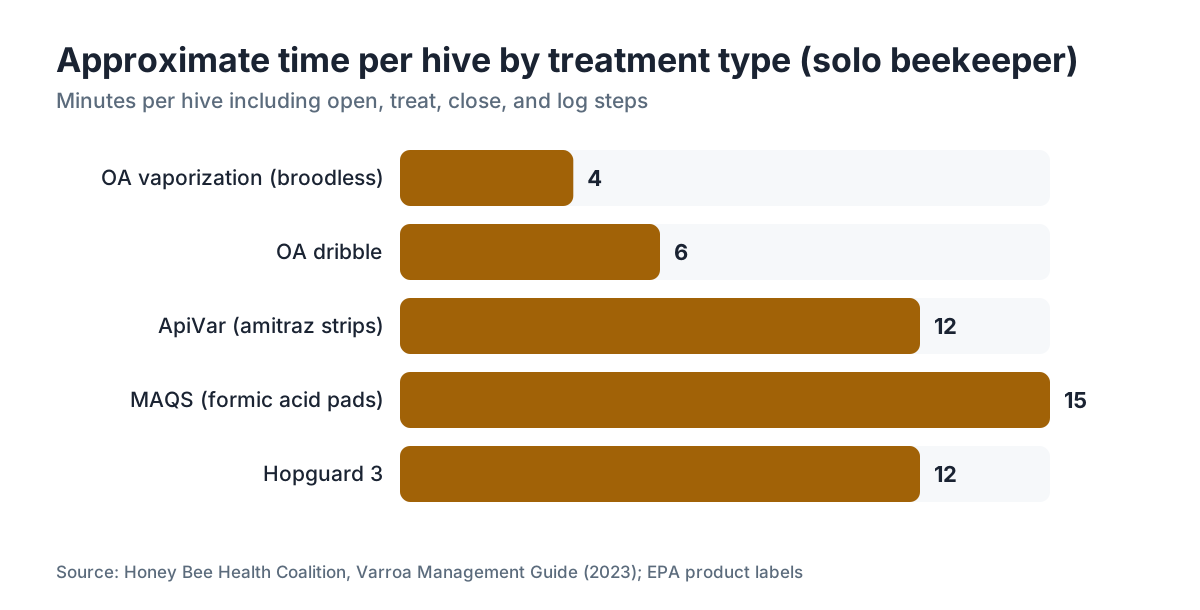
It depends on the treatment type, your setup, and whether you have a helper. Here's what solo throughput looks like in practice.
| Treatment | Avg time per hive (solo) | Realistic daily max (solo) | Notes |
|---|---|---|---|
| Oxalic acid vaporization (broodless) | 3-5 min | 40-60 hives | Fast if hives are in rows, smoker-free |
| Oxalic acid dribble | 5-8 min | 30-40 hives | Need syringes prepped; messy |
| Amitraz strips (ApiVar) | 8-15 min | 20-35 hives | Must open brood nest, log strip count |
| Formic acid pads (Mite Away Quick Strips) | 10-20 min | 15-25 hives | Temperature-sensitive; label compliance critical [2] |
| Hopguard strips | 8-15 min | 20-30 hives | Need to weave between frames |
Those numbers assume hives are easy to reach. Add travel between yards and the maximums drop fast. Most sideliners I know treat 15 to 25 hives per yard visit before fatigue starts causing errors. Fatigue isn't a soft concern. A 2021 review in Apidologie found beekeeper error in treatment application was one of the leading causes of subtherapeutic product exposure in colonies [3]. Rushing through hive 22 at 4 p.m. is how you get that error.
Running 50 or more hives? Plan two days or bring a second person. The time you save cramming it all into one long day rarely covers the mistakes.
What equipment do you need to prep before treatment day?
Prep the night before. Seriously. Counting out amitraz strips in the field while bees are already agitated costs you 30 minutes and your patience.
For any batch treatment session:
- Enough product for every hive, plus 10% buffer. Count your hives the week before and buy accordingly. Running out midway is one of the most common batch-day failures.
- A dedicated treatment log. Paper or phone, doesn't matter, as long as it's with you and you record every hive as you close it, not at the end.
- Numbered hive tags or a yard map. You need to know which physical box matches which record.
- Two full smoker loads of fuel. A smoker that dies between hives is maddening. Pack extra.
- Protective gear that matches the treatment. Oxalic acid vaporization requires a NIOSH-approved P100 respirator and chemical-splash goggles, per EPA label requirements [1]. Don't skip this.
- A dedicated vaporizer, or enough pre-measured syringes if you're dribbling. Pre-measure the night before so each syringe is ready.
- A timer or phone alarm. Set it per hive when you're vaporizing so you don't shortchange the exposure window.
- Clean hive tools and a bucket with plain water or an oxalic-safe cleaner for rinsing between colonies, especially if any hives show signs of American foulbrood. Moving AFB spores hive to hive on a treatment day is a real possibility if you're sloppy.
If you're stocking up, beekeeping supply companies vary a lot on bulk pricing and availability for treatments like ApiVar and MAQS.
Using OA vaporizers? The VarroaVault protocol library has a pre-treatment checklist you can print and tuck in your bee jacket pocket.
What's the best order and sequence to work through a yard of hives?
Pick a consistent pattern and commit to it. The exact pattern matters less than having one. Most experienced beekeepers use one of two.
Spatial sequence: start at one end of the yard and move hive by hive down the line. Simple. Hard to lose your place. The downside is that if the first hive is a hot one, you fight it while the rest of the yard gets stirred up from smoke and disturbance. Know a hive is difficult? Do it second-to-last, not first or last.
Risk-based sequence: treat the calmest, easiest hives first while you're fresh and your smoker is hot, then work through the hard ones. This is what I'd do. Your accuracy is highest early in the day.
A few rules hold no matter the sequence.
Close each hive completely before moving on. That cuts drift, cuts robbing stimulus, and forces a deliberate log entry. Closing the lid is your trigger to write down what you did.
Never leave a hive partly open to run back for more product. Have everything at the hive before you crack the lid, or don't open it yet.
Treating with formic acid (MAQS or Formic Pro)? Check the temperature before you start, not after. The Mite Away Quick Strips label specifies application between 50°F and 85°F (10°C to 29°C) [2]. Treating on a 90°F afternoon is a label violation and can kill brood or queens. Check the forecast the day before, not the morning of.
Biology helps here. The varroa mite life cycle is why timing your treatment to brood state matters so much, and that timing question is what separates a good batch day from a wasted one.
How do you prevent cross-contamination and bee drift between hives during treatment?
Drift is the biggest uncontrolled variable on a treatment day, and most beekeepers underestimate it.
Open a hive and smoke it, and guard bees and foragers scatter. Some land on adjacent hives. Normal. The problem is that on a treatment day you're doing this many times in a row, and the cumulative disturbance can set off robbing, especially in late summer or fall when nectar is scarce and mite pressure peaks.
What helps:
Work in the morning, ideally before 10 a.m. Most foragers are out of the hive, so fewer bees to drift, fewer to rob, and a calmer yard. Late-afternoon treatments, when foragers stream back from the field, run consistently messier.
Keep treated hives sealed. Doing OA vaporization and need the entrance closed? Use the foam plugs that come with most vaporizer kits, or a folded piece of cardboard. Reopen before you walk to the next hive.
Space out your interventions. On a long row, don't smoke five in quick succession. Treat one, close, log, then move. The open-treat-close-log cycle keeps the yard calmer than rapid-fire openings.
For robbing: spot it starting (frantic clustering at the entrance, fighting bees, chewed cappings on the landing board) and stop. Come back another day. Treating into a robbing event makes everything worse and invalidates your treatment, because bees from untreated hives move freely in and out of your treated ones.
Hive tool hygiene: rinse between colonies if you have any reason to suspect disease. American foulbrood spores survive for decades on equipment [4]. One sloppy treatment day is enough to spread AFB through a whole yard on a dirty hive tool.
How should you track and log treatments across a large batch of hives?
People skip this part, and it bites them three months later when they can't remember if Hive 7 got a second ApiVar treatment.
Your log needs, at minimum: hive identifier, date, treatment applied, dose, and who applied it. That last one matters if you have a helper. FIFRA requires pesticide applications, which includes EPA-registered varroa treatments, to follow the label, and some labels specify record-keeping. ApiVar is an EPA-registered product and must be applied per label instructions as a legal requirement under FIFRA [5].
For paper, the simplest system is one clipboard with a numbered grid. Rows are hive numbers. Columns are date, treatment, dose, notes, and your initials. Check the box when the hive is closed. Don't rely on memory.
For digital, a phone spreadsheet or a dedicated app works. The Honey Bee Health Coalition's Varroa management guide recommends keeping treatment records tied to your mite wash results so you can judge efficacy over time [6]. So your log should also carry a column for pre-treatment mite count and, ideally, a post-treatment count 30 to 45 days later.
Here's the practical rule. The log entry happens when you close the hive. Not at the end of the row. Not back at the truck. When you close the hive. This one habit kills most batch-day logging errors.
VarroaVault's free hive tracking tools can simplify this, especially past 20 hives when you need a way to connect mite counts to treatment history.
What do you do when a hive is queenless or has unusually high mite load on treatment day?
You'll find surprises. Plan for them.
A queenless hive changes your treatment math. OA vaporization works best in broodless conditions because varroa can't hide in capped cells [1]. A queenless hive may go broodless faster than expected, which is sometimes good (OA hits hard) and sometimes a crisis (the colony is collapsing). Mark it, don't skip it, and note the queenless status in your log so you re-inspect within 10 days.
A hive with a sky-high mite count on treatment day shouldn't stop you from treating. Apply the scheduled treatment. But flag it for a follow-up mite wash 3 to 5 weeks later to confirm it worked. The Honey Bee Health Coalition's Varroa management guide says colonies above 2 mites per 100 bees during the active season warrant immediate treatment [6]. A hive coming in at 8 or 10 mites per 100 bees needs treatment and close monitoring, not a different product on the spot.
Don't make mid-stream calls about switching treatments during a batch day. Started with ApiVar? Finish with ApiVar. Mid-course product switches inside a single treatment day are how label compliance errors happen.
If a hive is so defensive it's unworkable, mark it, move on, and come back in the evening or the next cool morning. Forcing an entry into a very hot hive wastes time and racks up stings to the point where you can't finish the yard.
Does the treatment type change the batch day approach?
Yes, a lot. Each product category has its own rhythm.
Oxalic acid vaporization (OAV) is the fastest per-hive treatment when you're broodless. Seal the entrance, run the vaporizer for the correct wand-in time (typically two to three minutes per product instructions), wait for the vaporizer to cycle down, remove, open the entrance. The bottleneck is vaporizer cooldown between hives. Most commercial units take three to five minutes to cool enough for the next round. With two vaporizers and a helper, you leapfrog hives and roughly double throughput.
OA dribble is slower per hive because you're measuring and applying a syringed solution across the frames. It's also much weaker when brood is present, so it fits broodless splits or winter clusters. The label specifies a single application per broodless period [1].
Amitraz strips (ApiVar) go between frames of brood for 6 to 8 weeks. Each hive takes 10 to 15 minutes done right, including opening the brood nest and placing strips correctly. The big batch-day risk is losing count of how many strips went into each hive. The label specifies two strips per colony (one per five frames of bees, max two) [7]. Log strip count at the hive, not later.
Formic acid products demand the most environmental judgment. MAQS and Formic Pro have temperature windows written into their labels. Cool, cloudy days are best. Heat and humidity on a batch day can cost you queens. Check the forecast the evening before any formic acid day.
Hopguard 3 and Apilife Var (thymol-based) need frame-by-frame placement and are sensitive to colony size. Time per hive runs about the same as ApiVar.
How do you handle safety and PPE across a long treatment day?
Don't relax your protection late in the day just because you're tired and the yard is almost done. That's exactly when exposure and stings pile up.
For OA vaporization, the EPA label requires a NIOSH-approved P100 (or N100) particulate respirator and chemical-splash goggles every single application [1]. Oxalic acid aerosol irritates the respiratory tract and can damage mucous membranes with repeated low-level exposure. After your fifteenth hive on a hot day, the pull to skip the mask is real. Don't.
For amitraz, the active ingredient in ApiVar, the label lists it as a potential skin and eye irritant and requires gloves during handling [7]. Amitraz shows some mammalian toxicity at high exposure, so wash your hands before eating or touching your face during a long day.
Formic acid labels (MAQS, Formic Pro) require nitrile or rubber gloves and eye protection [2]. The fumes are genuinely rough at close range and irritate the respiratory tract. Keep your face away from the hive opening when you apply.
Heat and dehydration are real on a batch day, especially in late summer when mite pressure peaks and you're in a full suit for hours. Drink water before you start, and drink more than thirst tells you to. Take a break after every 10 to 12 hives.
Make sure someone knows where you are if you're treating a remote yard alone. Bee sting anaphylaxis is uncommon but serious, and it's worth knowing your own risk before the do honey bees sting question turns into a medical one.
What should you do after the batch treatment day is done?
The day isn't over when you close the last hive.
First, do a full log review before you leave the yard. Cross-check your hive count against your records. Eighteen hives and only 16 log entries? Find the two missing ones before you drive away.
Second, clean and store equipment. Residual OA corrodes vaporizer components. Propolis and wax on hive tools carry disease to the next yard. Five minutes of cleaning at the truck saves you money and reduces biological risk to your other apiaries.
Third, schedule your follow-up mite washes. A post-treatment alcohol wash at 30 to 45 days tells you whether it worked. The Honey Bee Health Coalition recommends testing at least 10% of colonies in a yard, with a minimum of two to three hives [6]. Post-treatment counts still above 2 mites per 100 bees mean you have a product failure, a reinfestation, or an application error to diagnose.
Fourth, check product storage. Treatments left in a hot truck or direct sun degrade faster. ApiVar strips stored above 30°C (86°F) lose efficacy over time. MAQS has shelf-life limits too. Store leftovers per label and note the expiration date in your supply log.
Last, write down anything odd. A queen you couldn't find. A hive much lighter than it should be. A colony that looked like it had chalkbrood. Note it and put a physical marker on the hive. Batch days surface a lot about your yard's health if you're paying attention.
How do you keep mite treatment costs manageable when treating many hives at once?
Treating 20 or 30 hives at once has real economies of scale, but only if you plan your purchasing.
ApiVar strips come in packs of 10 and boxes of 100. Twenty hives at two strips each need 40 strips. Two packs of 10 cost roughly twice as much per strip as the 100-count box at most suppliers. Same logic for MAQS packs and OA crystals.
For OA vaporization, the raw input cost per hive is tiny, often under $0.50 per treatment on bulk oxalic acid dihydrate. The equipment cost (a quality vaporizer runs $80 to $250 depending on type) spreads fast over a large hive count.
A rough comparison across the common treatment types:
| Treatment | Approximate cost per hive per treatment cycle | Source/Notes |
|---|---|---|
| OA vaporization (bulk OA) | $0.25 - $0.75 | Plus vaporizer amortized cost |
| OA dribble (bulk OA) | $0.25 - $0.75 | Single broodless application |
| ApiVar (amitraz strips) | $4.50 - $6.00 | 2 strips per hive at ~$2.25-3.00/strip |
| MAQS (formic acid) | $6.00 - $9.00 | Per colony per 7-day treatment |
| Hopguard 3 | $3.00 - $5.00 | Per colony per treatment |
These figures vary by supplier, region, and bulk quantity. Prices have swung in recent years with supply chain issues across beekeeping supplies [8].
Comparing vendors? Free shipping honey bee supply companies can move the number on a bulk order, especially for heavy items like vaporizers or case quantities of ApiVar.
Frequently asked questions
Can I treat hives with different mite loads using the same product on the same day?
Yes. Running the same product across every hive on a single day is the cleanest approach. Mixing products across colonies on the same day creates tracking complexity and raises label compliance risk. If some hives are at low mite counts, treating them anyway (especially with a low-impact treatment like OA vaporization) does minimal harm and keeps you from missing a colony that might spike later.
How long does a batch treatment day take for 20 hives?
With amitraz strips, expect 4 to 6 hours including prep, in-yard travel, and logging. With OA vaporization, 2 to 4 hours is realistic, depending on vaporizer cooldown. A second person can cut those times by 30 to 40 percent. These estimates assume hives are organized, equipment is prepped, and you're not troubleshooting surprises mid-session.
Is it safe to treat hives on a hot summer day?
It depends on the product. OA vaporization is generally fine in heat, though PPE compliance and beekeeper comfort get harder above 90°F. Formic acid products (MAQS, Formic Pro) carry upper temperature limits on their labels, typically 85°F (29°C), and exceeding them risks queen loss and brood damage. Always check the temperature requirement on the product label before starting a summer batch day.
What's the best time of day to batch treat a large apiary?
Early morning, before 10 a.m., beats afternoon consistently. Foragers are out of the hive, the yard is calmer, and temperatures are lower. Afternoon treatment, especially in summer, means returning foragers drive drift, robbing gets more likely, and heat compounds formic acid risk. If you can only treat in the afternoon, choose a treatment with no temperature ceiling, like oxalic acid vaporization.
How do I avoid losing track of which hives I've already treated?
Use a physical marker system alongside a written log. A colored tape flag moved from untreated to treated as you go is a simple backup. The core rule is to log each hive the moment you close it, not after the row. Hive numbers on your boxes or a paper yard map help, but neither replaces immediate logging. Find a missed hive late in the day, and treat it the same session if you can.
Should I split my hives into multiple treatment groups if some are broodless and some aren't?
Depends on your treatment choice. OA vaporization is much more effective in broodless colonies because the mite can't hide in capped brood [1]. With a mix of broodless and brood-right colonies, you might treat the broodless ones with OA and schedule a product like ApiVar for those with open brood. That's two product lines to manage on one day, which adds complexity. Most sideliners pick one treatment and apply it consistently across all colonies.
Can a helper who isn't a licensed beekeeper apply treatments alongside me?
Under EPA FIFRA rules, EPA-registered pesticide applications (including all registered varroa treatments) must follow the label. Most varroa treatment labels don't require a pesticide applicator license for on-farm use by the beekeeper or their employees. State rules vary, though. Check your state department of agriculture for specifics. The beekeeper of record is responsible for making sure every application complies with the label, no matter who physically applies it.
How far in advance should I buy supplies for a large batch treatment day?
Order at least two weeks before your target date, preferably three. Demand for ApiVar and MAQS spikes in late summer when most beekeepers hit their fall treatment window at once. Backorders at major suppliers in August and September are common. Treating 30 or more hives? Call ahead or order online and confirm stock. Running out mid-yard is one of the most avoidable batch-day failures.
Do I need to wear a full bee suit when doing OA vaporization batch treatments?
You need, at minimum, a NIOSH P100 respirator and chemical-splash goggles per the EPA label [1]. A full bee suit is strongly advisable for most beekeepers working a large batch, since you're spending extended time near open hives. Some experienced beekeepers working broodless, gentle colonies in cold weather use just a veil plus PPE for OA. Know your colonies. If any are defensive, wear the full suit.
What's the biggest mistake beekeepers make on a batch treatment day?
Not prepping equipment the night before. Showing up to a 20-hive day and finding you're short on strips, your vaporizer battery isn't charged, or your log sheet is at home wastes 30 to 60 minutes at best and makes you skip steps or rush at worst. The second biggest mistake is skipping post-treatment mite washes at 30 to 45 days, so you never actually learn whether the treatment worked.
Can I treat a newly installed package or split on the same day as the rest of my hives?
A newly installed package in its first two weeks is worth treating for mites, but the approach matters. OA dribble works well on a fresh package with no capped brood. Amitraz strips need a minimum colony population to be effective and safe. MAQS is not recommended for colonies smaller than six frames of bees per the product label. Check each product's label for minimum colony size before including small colonies in a batch day.
How do I handle a hive where I can't find the queen during a batch treatment?
Don't delay treatment to search. Apply the scheduled treatment and mark the hive as 'queen status unknown' in your log. Plan a re-inspection within 7 to 10 days just for that hive. A missing queen doesn't change your varroa protocol unless you're using something contraindicated in queenless colonies, and most registered treatments are fine there. Finish your batch, then investigate the queen question on a separate visit.
What records do I legally need to keep for varroa treatments?
At minimum, the product label requires the application be made as directed, and good records include the product name, EPA registration number, application date, rate, and applicator. Some state apiarist programs require treatment records as part of hive registration or inspection compliance. Contact your state department of agriculture for specifics. The Honey Bee Health Coalition recommends tying treatment records to mite count data for efficacy tracking [6].
Sources
- EPA, Oxalic Acid (various registrants) product label requirements: OA vaporization labels require NIOSH P100 respirator and chemical-splash goggles; label specifies a single dribble application per broodless period
- Beeologics/AMVAC, Mite Away Quick Strips (MAQS) EPA label: MAQS label specifies application temperature window of 50°F to 85°F (10°C to 29°C) and requires nitrile or rubber gloves and eye protection
- Apidologie, Vol. 52 (2021), Beekeeper application errors in varroa treatment: Beekeeper error in treatment application was identified as a leading cause of subtherapeutic product exposure in colonies
- USDA Agricultural Research Service, honey bee disease research (American foulbrood): American foulbrood spores can survive for decades on beekeeping equipment
- EPA, FIFRA (Federal Insecticide, Fungicide, and Rodenticide Act) overview: FIFRA requires pesticide applications, including EPA-registered varroa treatments, to follow label directions as a legal requirement
- Honey Bee Health Coalition, Varroa Management Guide (2023 edition): HBHC recommends treatment when mite counts exceed 2 mites per 100 bees during active season; recommends post-treatment mite wash at 30-45 days; recommends testing at least 10% of colonies in a yard
- Elanco, ApiVar (amitraz) EPA-registered product label: ApiVar label specifies two strips per colony (one per five frames of bees, maximum two per colony), 6-8 week treatment duration, and gloves during handling
- USDA National Agricultural Statistics Service, Honey Bee Colonies and Cost of Pollination reports: Ongoing documentation of colony health and management economics in U.S. apiculture
- Penn State Extension, honey bee and varroa management resources: Treatment timing relative to brood state, product selection guidance, and record-keeping recommendations for varroa management
- University of Minnesota Bee Lab and Extension, varroa treatment resources: Guidance on treatment types, application protocols, and monitoring schedules for varroa in managed colonies
Last updated 2026-07-10