Varroa Management in Utah
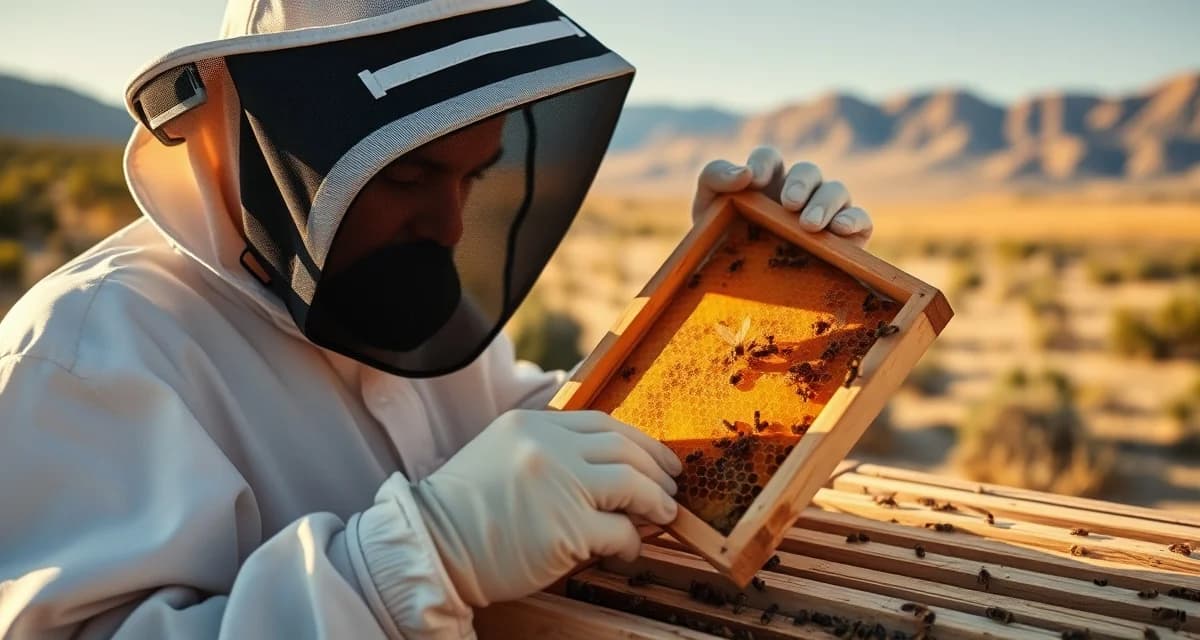
Utah's beekeeping environment is defined by altitude and aridity. The Great Basin desert covers much of western Utah, the Wasatch Front runs through the center of the state, and the Colorado Plateau covers the southeast. These regions have different forage calendars and different temperature profiles that affect both Varroa treatment timing and colony behavior. What works in Cache Valley may not be the right timing for the St. George area in the far south.
Utah's Climate and the Varroa Season
Most of Utah outside the far south experiences genuine winters with reliable broodless periods. In the Wasatch Front and Cache Valley, queens typically stop or nearly stop laying from November through February. This natural winter window is ideal for oxalic acid vaporization treatment, and a single broodless-period treatment can achieve over 90% mite knockdown.
Summer heat in Utah, particularly in the Salt Lake Valley and in southern Utah, regularly pushes temperatures above 85 degrees Fahrenheit in July and August. This limits formic acid use during the peak mite-building summer months. The practical treatment window for formic acid in Utah is spring (May through June) and early fall (September through mid-October).
Southern Utah, particularly the St. George and Moab areas, has much milder winters. Colonies in these areas may not go fully broodless, which reduces the efficacy of single winter OAV treatments and requires a multi-treatment approach or extended-release oxalic acid.
Alfalfa Pollination and Treatment Conflicts
Utah is a significant alfalfa seed production state, and commercial beekeepers often move hives into alfalfa fields from June through August. This pollination period coincides with the hottest part of the summer and with the critical mite population buildup season. Honey supers may or may not be present depending on the contract, but either way the heat limits formic acid options.
Commercial beekeepers in Utah's alfalfa pollination circuit typically treat with Apivar after honey supers come off in late August or September. An oxalic acid extended-release treatment or vaporization can supplement during the alfalfa period for operations that need to manage mites without removing supers.
Utah Department of Agriculture Registration
Utah requires commercial beekeeping operations to register with the Utah Department of Agriculture and Food. The state apiarist program provides inspection services. Operations conducting out-of-state moves into Utah for pollination contracts must comply with import requirements including health certificates.
Maintain treatment records and mite monitoring logs as part of your registration compliance. State inspectors may request these records during apiary inspections.
Mite Monitoring Calendar for Utah
Wasatch Front and northern Utah: late April (spring baseline), late June, early August (pre-winter window), October. Southern Utah: March (early spring), June, August, October. Post-treatment counts 10 to 14 days after treatment end validate efficacy.
For high-elevation apiaries in the mountains, adjust monitoring start dates by 2 to 4 weeks later than the valley floor. A high-elevation apiary at 7,000 feet may not see queen buildup until late May, changing the entire monitoring and treatment calendar.
VarroaVault's yard-level tracking allows you to assign different monitoring schedules to different apiaries based on their altitude and microclimate. See the varroa treatment temperature restrictions guide on VarroaVault for detail on working within Utah's summer heat constraints.
FAQ
What is Varroa Management in Utah?
Varroa management in Utah is the practice of monitoring and controlling Varroa destructor mite populations in honey bee colonies across Utah's diverse climate zones. Because Utah spans the Great Basin desert, Wasatch Front, and Colorado Plateau, beekeepers must tailor treatment timing to local forage calendars, altitude, and temperature patterns. Effective management combines mite monitoring with strategically timed treatments such as oxalic acid vaporization during winter broodless periods and formic acid applications in spring and early fall.
How much does Varroa Management in Utah cost?
Varroa management costs in Utah vary based on colony count and treatment method. Oxalic acid vaporizers run $150–$300 upfront with product costs under $1 per treatment. Formic acid strips (Mite-Away Quick Strips or FormiVar) cost roughly $3–$8 per colony per application. Annual monitoring supplies—sticky boards and alcohol wash kits—add another $20–$50. Hobbyists with a few hives typically spend $50–$150 per season; commercial operations scale costs down per unit through bulk purchasing.
How does Varroa Management in Utah work?
Varroa management works by reducing mite loads below economically damaging thresholds using a combination of monitoring and targeted treatment. Utah beekeepers exploit the natural winter broodless period in the Wasatch Front and Cache Valley for highly effective oxalic acid vaporization, achieving over 90% mite knockdown. During spring and early fall, when temperatures allow, formic acid is applied to penetrate capped brood cells. Regular alcohol or sugar washes confirm mite levels and guide retreatment decisions throughout the active season.
What are the benefits of Varroa Management in Utah?
Effective Varroa management in Utah protects colony health through harsh winters and hot summers, improves honey yields, and reduces winter losses. Utah's cold winters provide a reliable broodless window that makes treatments exceptionally effective when timed correctly. Keeping mite levels low also limits the spread of Varroa-vectored viruses such as Deformed Wing Virus, which are a leading cause of colony collapse. Healthy, well-managed colonies are stronger pollinators and more productive from Utah's early spring bloom through fall nectar flows.
Who needs Varroa Management in Utah?
Any Utah beekeeper with one or more colonies needs a Varroa management plan. Varroa destructor is present in virtually all feral and managed colonies in the state. Hobbyists in suburban Salt Lake City, commercial operations in Cache Valley, and small-scale beekeepers near St. George all face mite pressure, though treatment timing differs by region. New beekeepers are especially at risk because untreated colonies can collapse within one to two years of infestation, taking neighboring hives down with them.
How long does Varroa Management in Utah take?
The time commitment for Varroa management in Utah spans the full beekeeping season. Alcohol wash monitoring takes 10–15 minutes per hive and should be done every 4–6 weeks from April through October. Oxalic acid vaporization during the winter broodless period requires 1–3 treatments spaced a week apart, roughly 5–10 minutes per hive per session. Formic acid strip placement takes just a few minutes but requires a 7–14 day application window. Total annual time per hive is typically 2–4 hours.
What should I look for when choosing Varroa Management in Utah?
When choosing a Varroa management approach in Utah, prioritize treatment timing compatibility with your local climate zone. Confirm any product you select is EPA-registered and approved for use in your region. Look for tools that match your operation size—vaporizers suit multi-hive setups while dribble oxalic acid works for small apiaries. Choose monitoring methods you will actually use consistently, such as alcohol wash over sticky boards for accuracy. Consider integrated pest management programs that combine chemical and cultural controls rather than relying on a single treatment.
Is Varroa Management in Utah worth it?
Yes, Varroa management in Utah is absolutely worth it. Untreated colonies typically collapse within one to three years, and mite-vectored viruses spread to neighboring apiaries. Utah's distinct climate actually gives beekeepers a significant advantage: the reliable Wasatch Front winter broodless period enables highly effective oxalic acid treatments that are difficult to achieve in warmer states. Beekeepers who monitor regularly and treat at the right times for their altitude and region consistently report lower winter losses, stronger spring buildup, and better honey harvests.