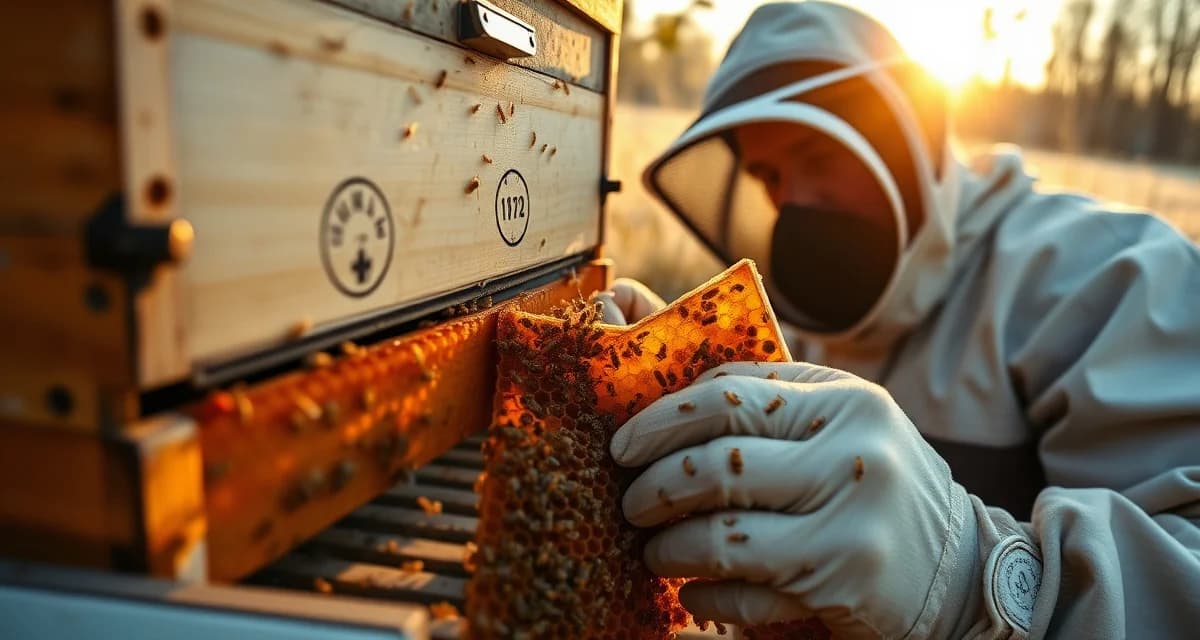
Beekeeping Software for Minnesota Beekeepers: Cold Climate Varroa Management
Minnesota winters are unforgiving. If your colonies go into cluster with high mite loads, they don't get a second chance until spring. And by spring, they're often dead. Minnesota beekeepers must complete fall varroa treatment by early September to protect the winter bees that are raised in August. That deadline is not flexible, and it's earlier than most new beekeepers expect.
VarroaVault's frost alert system triggers a six-week fall treatment countdown from your first frost date for your specific zip code. When that countdown starts, you'll know.
TL;DR
- Minnesota's climate means one of the longest winter broodless periods (10-14 weeks), making late-fall oxalic acid dribble highly effective
- Spring mite loads from wintered colonies can be deceptive since low winter counts can spike rapidly
- All EPA-registered varroa treatments are available in Minnesota; check with your state apiarist for local restrictions
- Monthly mite monitoring (every 30 days) is recommended year-round to catch pressure spikes early
- PHI management is important around Minnesota's nectar flows to avoid contaminating honey
- VarroaVault exports treatment records formatted for Minnesota state inspection requirements
Why Minnesota's Timing Is So Unforgiving
Minnesota sits mostly in USDA zones 3 to 5, with only the far southern edge reaching zone 6. Zone 3 in the northern part of the state means first frost in early September. That's not much runway between the end of your honey flows and the closing of your treatment window.
Here's the thing about winter bee biology that makes Minnesota's early deadline so critical. The bees that will carry your colony from October through April are raised in late July and August. If those bees emerge from capped cells with a varroa mite feeding on them during development, they're born damaged. They have shorter lifespans, weakened immune systems, and reduced fat body reserves. A whole cluster of those bees won't make a Minnesota winter.
Treating in October feels proactive, but in Minnesota it's too late for the bees that matter. The winter bees are already out. You're just cleaning up a situation that's already determined.
Treating in August gets you ahead of it. The brood being capped in early August will emerge as your winter bees in late August and early September. Treat before that brood caps, and those bees emerge mite-free and healthy.
The Minnesota Treatment Calendar
April-May: First count of the season as colonies break cluster. Minnesota's late spring means you're often just getting started when other states are already into their second count. Take that first count seriously because the population builds fast once brood rearing ramps up.
June-July: Monitor every 3-4 weeks. This is your last chance to catch and correct a rising mite population before the August crunch.
August (Critical): Treatment window for protecting winter bees. VarroaVault sends the six-week countdown from your frost date, which for many Minnesota locations means this countdown starts in late July. If you're above 1%, treat now.
September: Post-treatment count. Verify efficacy. Some beekeepers in southern Minnesota can still apply formic acid in early September, but check your nighttime temperatures.
October-November: Broodless OA treatment as colonies prepare to cluster. Minnesota colonies often go broodless or near-broodless in October, making OA highly effective.
Minnesota's Best Oxalic Acid Protocol for Winter
For the fall broodless OA treatment, Minnesota beekeepers typically use oxalic acid vaporization or dribble. During a broodless period, three vaporizations spaced 5-7 days apart achieve near-complete mite kill because there are no capped cells for mites to hide in.
For the winter hive prep OA treatment, timing the treatment to the coldest reliable window when colonies are fully clustered and brood is minimal gives you the best efficacy. VarroaVault's OA schedule calculator generates your specific treatment dates based on your colony's brood status.
The best oxalic acid protocol for Minnesota winters starts with knowing exactly when your colony went broodless, which is a field observation you can log in VarroaVault to trigger the optimal treatment timing recommendation.
Minnesota MDA Apiary Records
The Minnesota Department of Agriculture (MDA) requires beekeepers to register apiaries and maintain treatment records available for inspection. VarroaVault generates MDA-formatted treatment records that include all required fields: product name, application date, dose, colony identification, and beekeeper registration number.
For a full guide to MDA and other state inspection requirements, see our state inspection requirements for treated hives article.
Frequently Asked Questions
When must Minnesota beekeepers treat by to protect winter bees?
The target is to complete your main fall treatment by early to mid-August in most of Minnesota. Winter bees are raised in late August and early September. Treating in early August protects the brood that becomes those bees. Zone 3 and 4 beekeepers in northern Minnesota should aim even earlier. A follow-up OA treatment during the broodless period in October closes the loop.
What is the best oxalic acid protocol for Minnesota winters?
During broodless conditions in October or November, three vaporizations spaced 5-7 days apart achieve near-complete mite knockdown. If you can confirm your colony is fully broodless, a single OA dribble treatment is also highly effective. VarroaVault's OA schedule calculator generates the specific treatment dates based on your brood status log entry and colony size.
Does VarroaVault track Minnesota MDA apiary records?
Yes. You can store your MDA registration number and renewal date in VarroaVault. Treatment records are logged automatically as you use the app and can be exported in MDA-compatible format for inspection review. The system also sends renewal reminders so your registration doesn't lapse.
Is VarroaVault available to beekeepers in Minnesota?
Yes. VarroaVault is available to beekeepers across all 50 states including Minnesota. The app supports state-specific PHI calendars, monitoring reminders calibrated to your region's nectar flow and temperature patterns, and export formats suitable for Minnesota apiary inspection requirements.
What records does the Minnesota state apiarist expect during an apiary inspection?
While requirements vary and you should confirm with your state apiarist, most states expect treatment records that include the product name, EPA registration number, application dates, hive identifiers, and applicant name. Beekeepers in Minnesota should also be prepared to document mite count results from the monitoring periods before and after each treatment. VarroaVault's export function generates this information in a formatted PDF.
Does VarroaVault support tracking multiple apiaries in Minnesota?
Yes. VarroaVault supports unlimited apiary locations within a single account. Each apiary can have its own set of hives with individual treatment and mite count records. For Minnesota beekeepers managing multiple yards across different counties or climate zones, yard-level reporting allows you to compare mite pressure and treatment efficacy between locations.
What is Beekeeping Software for Minnesota Beekeepers: Cold Climate Varroa Management?
VarroaVault's cold climate varroa management module is a beekeeping software tool designed specifically for Minnesota beekeepers facing the state's harsh winters. It tracks mite loads, triggers frost-based treatment countdowns by zip code, and helps beekeepers hit the critical early-September fall treatment deadline. With Minnesota's 10-14 week broodless period, the software also flags the optimal window for late-fall oxalic acid dribble treatments when they're most effective.
How much does Beekeeping Software for Minnesota Beekeepers: Cold Climate Varroa Management cost?
VarroaVault offers tiered subscription plans sized for hobbyist and commercial beekeepers. Exact pricing is listed on the VarroaVault website, but the platform is designed to be accessible for small-scale Minnesota beekeepers managing just a few hives through to larger operations. Given the cost of losing overwintered colonies to preventable varroa collapse, most users find the investment worthwhile after a single successful winter.
How does Beekeeping Software for Minnesota Beekeepers: Cold Climate Varroa Management work?
VarroaVault connects to your local zip code to pull frost date data and automatically starts a six-week fall treatment countdown when your first frost approaches. You log mite wash or sugar roll counts monthly, and the software tracks trends, flags pressure spikes, and recommends treatment timing. It also manages pre-harvest intervals (PHI) around Minnesota's nectar flows and exports inspection-ready treatment records formatted for Minnesota state apiarist requirements.
What are the benefits of Beekeeping Software for Minnesota Beekeepers: Cold Climate Varroa Management?
The core benefit for Minnesota beekeepers is never missing the fall treatment window. Colonies that enter winter cluster with high mite loads rarely survive, and that deadline is earlier than most new beekeepers expect. VarroaVault provides zip-code-specific frost alerts, monthly monitoring reminders, treatment logging, and PHI tracking around honey supers — giving beekeepers a structured system to protect winter bees raised in August when it matters most.
Who needs Beekeeping Software for Minnesota Beekeepers: Cold Climate Varroa Management?
Any Minnesota beekeeper who has lost colonies to winter varroa collapse will benefit from VarroaVault. It's especially valuable for newer beekeepers who don't yet have an intuitive feel for Minnesota's compressed treatment calendar. Commercial operations managing multiple yards across different microclimates also benefit from the zip-code-level frost alerts and centralized record keeping. If you're monitoring mites on a spreadsheet and guessing at treatment timing, this software is built for you.
Sources
- American Beekeeping Federation (ABF)
- USDA ARS Bee Research Laboratory
- Honey Bee Health Coalition
- Penn State Extension Apiculture Program
- Project Apis m.
Get Started with VarroaVault
Minnesota beekeepers face specific varroa management challenges that generic beekeeping apps are not designed around. VarroaVault handles monitoring reminders, PHI tracking, treatment efficacy scoring, and state inspection export in a single tool built specifically for varroa management. See pricing and free tools at varroavault.com.