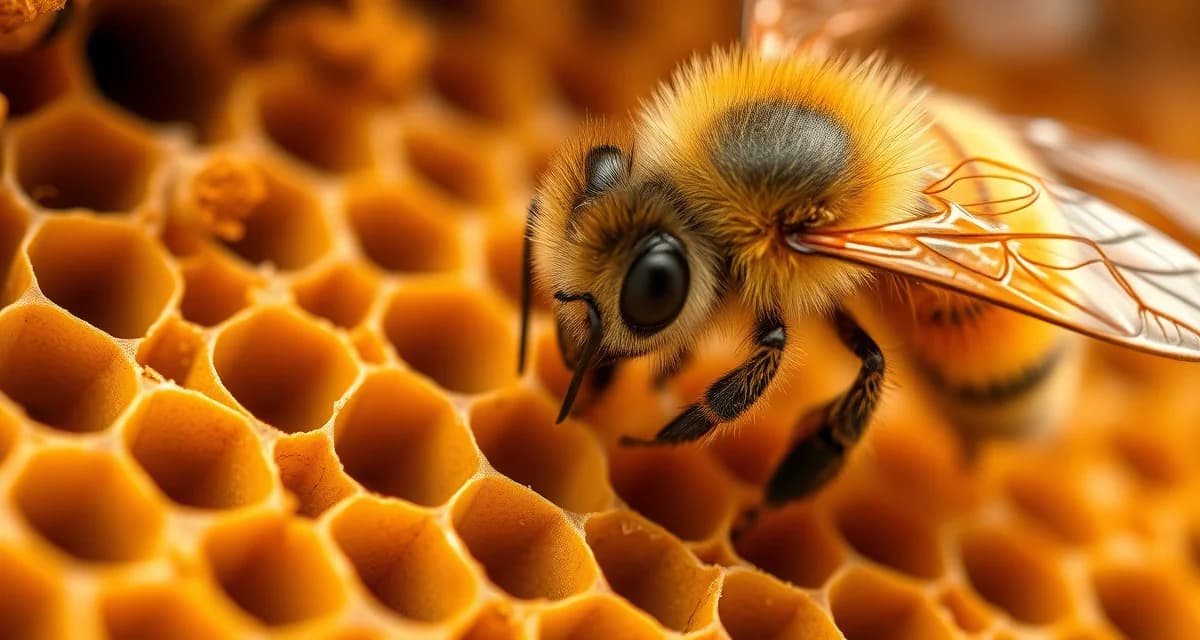
Varroa-Resistant Bees: Breeding for Hygienic Behavior and VSH
VSH queens can reduce varroa treatment frequency by 30-50% in some studies. That's a compelling number, not because it means you stop treating, but because it means your treatment program can be less intensive while achieving the same outcome.
Varroa resistant bees breeding is one of the most discussed topics in modern beekeeping, and also one of the most misunderstood. hygienic behavior and varroa-sensitive hygiene (VSH) are real, measurable traits with genuine impact on mite population dynamics. But they require management to work, they're not a replacement for monitoring, and selecting for them requires a systematic approach.
No competitor tracks efficacy trends in a way that could reveal genetic resistance in your colonies. VarroaVault's efficacy history can reveal which colonies may naturally suppress mite population growth, giving you breeding selection data from your own apiary.
TL;DR
- Hygienic behavior (HB) and varroa-sensitive hygiene (VSH) are heritable traits that allow bees to detect and remove mite-infested pupae
- Colonies with strong hygienic traits can maintain mite populations at lower levels than non-hygienic colonies under the same conditions
- VSH specifically targets mite reproduction, not just mite presence -- VSH bees remove cells containing reproducing mites
- Selecting for hygienic genetics takes multiple seasons of breeding and testing to achieve meaningful results
- Hygienic traits alone rarely eliminate the need for varroa monitoring; they reduce pressure but do not always hold below threshold
- Track mite counts in hygienic stock over multiple seasons in VarroaVault to measure whether genetics are maintaining acceptable levels
What Is Hygienic Behavior?
Hygienic behavior is the ability of worker bees to detect and remove unhealthy brood from the colony. Originally studied in the context of American foulbrood resistance, hygienic behavior is now understood to also play a notable role in varroa management.
Hygienic bees uncap and remove varroa-infested brood cells. This interrupts the mite reproductive cycle, mites inside capped cells are producing daughters, and hygienic removal kills both the reproducing mite and her offspring before they can emerge. Colonies with high hygienic behavior don't eliminate varroa entirely, but they considerably reduce the reproductive success of mites in their hive.
Measuring Hygienic Behavior
The standard test uses freeze-killed brood:
- Cut or uncap a section of capped brood (approximately 100 cells)
- Kill the brood in place using liquid nitrogen, dry ice, or a comb freezer
- Return the section to the colony
- Assess removal at 24 hours and 48 hours
Results:
- 95%+ removal at 48 hours: Highly hygienic colony
- 80-95% at 48 hours: Moderately hygienic
- Below 80% at 48 hours: Low hygienic behavior
Colonies with 95%+ removal at 48 hours are candidates for breeder selection. Colonies below 80% are poor genetic contributors for a resistance-focused breeding program.
What Is Varroa-Sensitive Hygiene (VSH)?
VSH is a more specific and more potent trait than general hygienic behavior. Where general hygiene describes removal of unhealthy brood broadly, VSH specifically describes detection and removal of mite-infested cells.
VSH bees have a heightened ability to detect the presence of reproducing mites in capped cells. They uncap and remove mite-infested cells at higher rates than generically hygienic bees, specifically targeting cells where mites are in their reproductive phase.
The functional effect: a VSH colony limits mite reproduction much more aggressively than a non-VSH colony. In pure VSH research lines, mite reproductive suppression can be near-complete. In commercial VSH-influenced queens, the effect is meaningful but more moderate.
VSH vs. Hygienic Behavior: The Practical Difference
General hygienic behavior: Good at disease and stress detection broadly. Contributes to varroa management but not exclusively targeted at mite reproduction.
VSH: Specifically targets mite-infested cells. Higher fidelity for varroa suppression but may require more intensive breeding selection to maintain at high levels.
Most commercially available "hygienic" or "resistant" queens carry some combination of both traits. Pure VSH lines are maintained by a small number of dedicated breeders and research programs.
How to Breed for Varroa Resistance
Selection Criteria
You can't select effectively based on a single mite count at a single time point. What reveals genetic resistance is trend, how does a colony's mite load change over time relative to comparable colonies in similar conditions?
A colony that enters spring with the same mite load as its neighbors but shows slower mite growth through summer may carry resistance traits worth selecting. A colony that consistently holds low mite loads between treatments in the same yard as colonies that require frequent treatment is showing you something genetically meaningful.
VarroaVault's efficacy history tracks count-to-count change rates across your colonies. When you compare rate of mite increase across colonies with similar treatment histories and yard conditions, outlier colonies, those that grow mite populations slowly, become visible.
Controlled Breeding Conditions
Selecting for resistant traits requires controlling for confounding factors:
- Treat comparison colonies identically
- Sample at the same intervals
- Control for yard location (colonies in different yards face different mite migration pressure)
- Control for population size (larger colonies can tolerate more mites)
The cleaner your comparison conditions, the more meaningful your selection data.
Queen Rearing from Resistant Breeders
Once you've identified candidates with apparent resistance traits:
- Confirm hygienic behavior with freeze-kill testing
- Graft daughters from the breeder colony
- Requeen test yards with breeder daughters
- Monitor mite trends in requeened colonies vs. control colonies over 1-2 full seasons
- Select the best-performing daughters as your next generation of breeders
This is a genuine multi-year project. Meaningful genetic progress takes time. But even first-generation hygienic queens from selected breeders show measurable improvement over unselected stock.
Genetic Resistance Does Not Replace Treatment
This is the point that bears repeating clearly. VSH queens and hygienic behavior reduce treatment frequency and management burden. They do not eliminate the need for monitoring and treatment.
Even colonies with the best commercial VSH genetics will accumulate mites over time. They accumulate mites more slowly. They recover from mite pressure more effectively. They can handle a somewhat higher mite load without the same clinical consequences as non-resistant colonies. But they still need monitoring, and they still need treatment when counts exceed thresholds.
Think of genetic resistance as reducing your treatment load, perhaps from 3 treatments per year to 1-2, not as eliminating it.
Practical Entry Points for Most Beekeepers
Not every beekeeper is running a queen rearing program. Here's what genetics-aware management looks like at different scales:
Small-scale hobbyist: Purchase queens from reputable breeders who explicitly test and select for hygienic behavior or VSH. Ask for hygienic testing data. Monitor your requeened colonies' mite trends and observe whether mite growth rates are notably different.
Intermediate hobbyist: Select your best-performing colony (lowest mite accumulation rate over a full season) and graft daughters from it for your apiary. Even informal local selection adds up over generations.
Serious breeder: Implement formal freeze-kill testing, controlled grafting from tested breeders, and rigorous multi-colony comparison with standardized monitoring intervals. VarroaVault's colony comparison tools support this approach.
Related Articles
FAQ
What is varroa-sensitive hygiene (VSH) in bees?
VSH is a specific trait where bees detect and remove mite-infested brood cells at elevated rates. Unlike general hygienic behavior, VSH is specifically targeted at cells containing reproducing varroa mites. High-VSH colonies limit mite reproduction rates considerably, reducing the treatment frequency needed to keep mite loads below thresholds. VSH queens can reduce treatment needs by 30-50% in some research studies.
How do I breed for varroa resistance?
Identify colonies with consistently slow mite accumulation rates across multiple monitoring intervals and comparable yard conditions. Confirm with freeze-kill hygienic behavior testing. Graft daughters from high-performing breeders and monitor requeened colonies' mite trends over 1-2 seasons against control colonies. Select the best-performing daughters as your next generation of breeders. This is a multi-year process.
Can hygienic behavior replace varroa treatments?
No. Even the best commercially available VSH and hygienic queens require monitoring and treatment when counts exceed thresholds. Genetic resistance reduces treatment frequency and management burden, potentially substantially, but does not eliminate the need for monitoring or intervention. Think of it as lowering your treatment load, not eliminating it.
How do I know if my varroa treatment is working?
Run a mite count 2-4 weeks after the treatment ends and compare it to your pre-treatment count. The efficacy formula is: ((pre-count - post-count) / pre-count) x 100. A result above 90% indicates effective treatment. Results below 80% should trigger investigation for possible resistance, application error, or reinfestation. Log both counts in VarroaVault to track efficacy trends across treatment cycles.
How often should I check mite levels in my hives?
At minimum, once per month (every 3-4 weeks) during the active season. Increase to every 2 weeks when counts are near threshold or after a treatment to verify it worked. In fall, monitoring frequency matters most because the window to treat before winter bees are raised is narrow. VarroaVault's monitoring reminders can be set to your preferred interval for each apiary.
What records should I keep for varroa management?
Each record should include: date of count or treatment, hive identifier, monitoring method used, number of bees sampled, mites counted, infestation percentage, treatment product name and EPA registration number, dose applied, treatment start and end dates, and PHI end date. State apiarists typically expect this level of detail during inspections. VarroaVault captures all of these fields in a single log entry.
What is Varroa-Resistant Bees: Breeding for Hygienic Behavior and VSH?
Varroa-resistant bee breeding focuses on selecting colonies with hygienic behavior (HB) and varroa-sensitive hygiene (VSH) — heritable traits that enable bees to detect and remove mite-infested pupae before mites reproduce. VSH queens have been shown to reduce varroa treatment frequency by 30–50% in some studies. Rather than eliminating the need for treatment, these genetics make mite management less intensive while helping colonies maintain lower mite populations naturally.
How much does Varroa-Resistant Bees: Breeding for Hygienic Behavior and VSH cost?
VSH and hygienic queen breeding programs vary in cost depending on the source. VSH-certified queens typically range from $35–$80 each, compared to $25–$50 for standard queens. The higher upfront cost is often offset by reduced oxalic acid treatments and lower colony losses over time. Building your own locally-adapted hygienic stock through selective breeding is the most cost-effective long-term approach, requiring systematic monitoring tools rather than ongoing queen purchases.
Sources
- American Beekeeping Federation (ABF)
- USDA ARS Bee Research Laboratory
- Honey Bee Health Coalition
- Penn State Extension Apiculture Program
- Project Apis m.
Use Your Own Data to Find Your Best Genetics
You don't need a research program to start selecting for better genetics. Your monitoring data already contains the information. Learn more about tracking treatment efficacy and review VarroaVault's efficacy scoring system to identify your naturally resistant colonies from the data you already have.
Your best breeders might already be in your yard. You just need the data to find them.
Get Started with VarroaVault
The information in this guide is most useful when you have your own mite count data to apply it to. VarroaVault stores every count, flags threshold crossings automatically, and builds the treatment history you need for state inspections and effective management decisions. See pricing and free tools at varroavault.com.