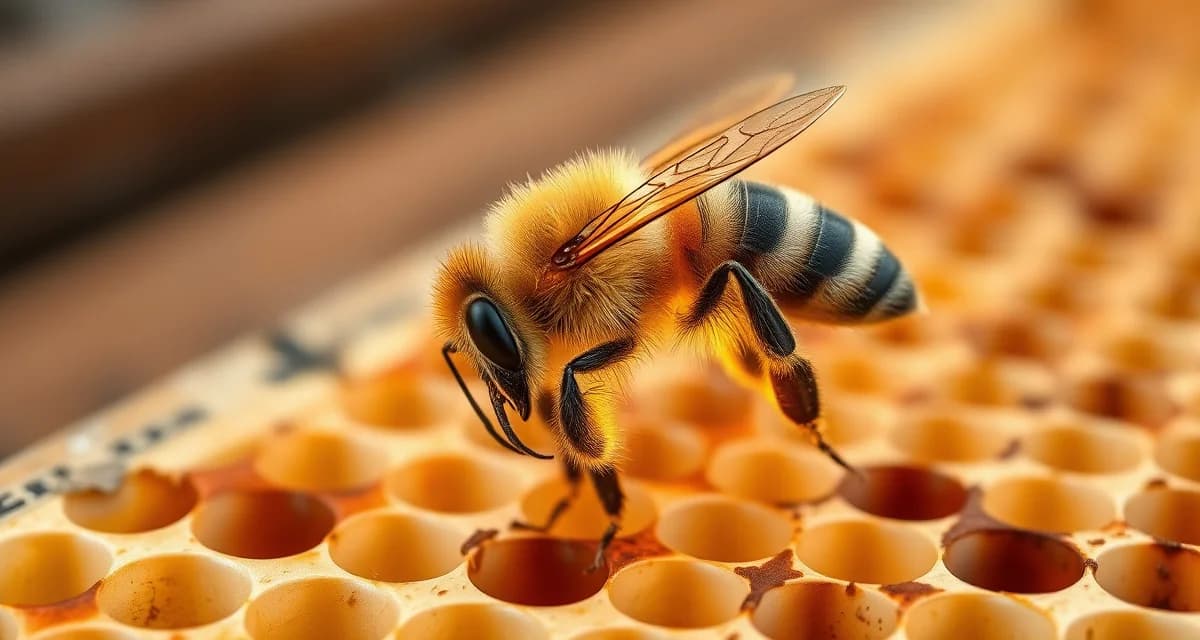
Mite-Resistant Bee Genetics: Russian Bees, VSH, and Locally Adapted Populations
The long-term answer to varroa isn't a treatment schedule. It's genetics. Every treatment you apply is a temporary intervention. Bees that can detect, suppress, and control varroa on their own are the permanent solution.
Colonies headed by VSH-certified queens maintain mite loads below treatment threshold 70% of the time without intervention. That number comes from research on properly certified VSH stock, not from marketing claims. 70% is not 100%, but it's a dramatic improvement over unselected commercial stock, and it represents a genuine reduction in treatment burden and chemical exposure for any operation.
This guide covers the main mite-resistant genetic lines available to US beekeepers, what each offers, what the limitations are, and how to track genetic outcomes in your own apiary over time.
TL;DR
- This guide covers key aspects of mite-resistant bee genetics: russian bees, vsh, and locally
- Mite monitoring should happen at minimum every 3-4 weeks during active season
- The 2% threshold in spring/summer and 1% in fall are standard action points based on HBHC guidelines
- Always run a pre-treatment and post-treatment mite count to calculate efficacy
- Treatment records including product name, EPA number, dates, and counts are required for state inspection compliance
- VarroaVault stores all monitoring and treatment data with automatic threshold comparison and state export formatting
Russian Bees
Russian honey bees were imported to the US by the USDA ARS Honey Bee Breeding, Genetics and Physiology Laboratory starting in the 1990s. These bees originated in the Primorsky Krai region of Russia, where they co-evolved with varroa for approximately 150 years before European bees encountered the mite.
What Makes Russian Bees Different
Russian bees express varroa resistance through several behavioral mechanisms. They suppress mite reproduction in worker brood through hygienic-type behavior. They also show significantly reduced brood rearing during dearth periods, which naturally limits mite reproductive opportunity. Some Russian bee research suggests queens from these populations have lower mite reproductive success rates in their brood than unselected stock.
The USDA research has produced documented mite levels in Russian bee colonies running 50-70% lower than in Italian bee colonies under the same conditions, without chemical treatment.
Do Russian Bees Really Resist Varroa?
Yes, with caveats. Certified Russian honey bees from programs that have maintained genetic integrity, meaning controlled mating with Russian drones in isolated mating yards, do show measurable varroa resistance. The challenge is genetic dilution. "Russian bees" sold without genetic certification may be several generations of open mating from the original resistant stock, with reduced or unpredictable resistance. The Russian Honey Bee Breeders Association maintains certification standards for genuine Russian genetic lines.
Another caveat: Russian bees are not simply low-maintenance. They can be defensive (though this varies by line), they may have lower spring buildup rates than Italian bees, and their resistance needs to be maintained through selection. They're not a set-it-and-forget-it solution; they're a starting point for a resistance-focused breeding program.
Where Russian Bees Work Best
Russian bees are most effective in operations that can use drone-isolated mating or otherwise control breeding to maintain genetic integrity. In mixed apiary environments with significant exposure to unselected drones, the resistance characteristics dilute over several queen generations.
VSH (Varroa Sensitive Hygiene) Lines
VSH is a behavioral trait, not a breed. It refers to the ability of worker bees to detect and disrupt varroa reproduction in capped brood, specifically targeting mites in the reproductive stage (foundress present with offspring) rather than just dead brood generally.
How VSH Was Developed
VSH was identified and developed through USDA ARS research, primarily at the Baton Rouge laboratory. Through intensive selection over many generations, researchers produced bee lines where workers interrupt varroa reproduction in greater than 95% of infested cells. The result is a population of mites that are present but unable to successfully reproduce, causing population growth to stall or decline even without chemical intervention.
VSH-certified queens are available from several USDA-affiliated breeders. The certification process requires that queens produce colonies that test above a specific VSH threshold in standardized trials.
What VSH Stock Actually Delivers
Colonies headed by VSH queens maintained mite loads below treatment threshold (2%) 70% of the time in independent research conditions. The 30% that did exceed threshold occurred mostly in high-pressure environments with significant reinfestation from neighboring colonies.
For beekeepers operating in relatively isolated locations, or those who can manage the drone population around their apiaries, VSH stock provides the closest thing currently available to treatment-reduced management.
VSH queens are considerably more expensive than unselected stock, typically $50-100+ per queen versus $25-40 for unselected queens. The economics make sense if the reduction in treatment frequency and chemical cost offsets the queen price over the queen's productive life.
Combining VSH with General Hygiene
The most effective resistant lines combine high VSH scores with strong general hygienic behavior and other resistance traits. Queens marketed as "VSH+" or evaluated across multiple resistance traits by reputable breeders are generally more consistently resistant than single-trait selections.
Locally Adapted Feral Populations
This is the category that gets the most romantic treatment in beekeeping discussions. The argument goes: feral bees that have survived varroa without treatment in your region must have developed resistance, and using their genetics would give you locally adapted resistant stock.
What the Research Shows
Some feral populations have shown genuine varroa resistance after selection pressure. The Arnot Forest population in New York, studied by Cornell researchers, has been living with varroa without human intervention since the late 1990s and has developed measurable resistance traits including smaller colony size (which limits brood availability), more frequent swarming (which creates brood breaks), and higher hygienic behavior scores than managed stock.
Similar adapted feral populations have been documented in other locations. The key characteristic in all of them is long-term selection pressure: populations that have been surviving without treatment for 10-20 years have had genuine resistance selection.
The Problem with Random Feral Swarms
A swarm you caught last spring from an unknown feral source hasn't necessarily been surviving without treatment for 20 years. It might be from a recently abandoned managed hive whose previous keeper treated regularly. It might be from a feral colony that's been surviving on the edge of viability and will die in its second season.
Treating a random caught swarm as if it has proven resistance genetics is wishful thinking. Track its performance. If it consistently maintains low mite levels and produces healthy colonies across multiple seasons, then you have evidence of something worth selecting from.
Tracking Genetic Outcomes in Your Apiary
This is where VarroaVault's queen genetics field becomes valuable. VarroaVault links mite count trends to queen line records for comparison across queen lines. Over time, colonies headed by queens from different genetic sources are compared not on claims but on actual mite count data in your specific conditions.
The queen genetics tracking in your queen rearing program tracker pairs with the varroa count history to show you which queen lines are actually producing lower mite loads in your apiary, year over year. This is the kind of data that tells you whether the premium you paid for VSH queens is producing the mite reduction it should.
Pair genetic tracking with the hygienic behavior guide for colony-level testing that informs your selection decisions.
Practical Breeding Strategy for the Average Beekeeper
Not everyone has access to isolated mating yards or the resources to buy 20 VSH queens for a full apiary replacement. Here's an accessible approach:
Year 1: Buy 2-3 queens from reputable VSH or Russian-bred sources. Head your lowest-performing colonies with them.
Year 2: Test all colonies in the apiary with the freeze-killed brood test. Identify your highest-scoring colonies regardless of origin.
Year 3: Raise queens from your top-scoring colonies. Use them to replace your lowest-performing stock. Continue testing and selecting.
Over 4-6 seasons of consistent selection, your apiary's average mite burden under equivalent conditions will decrease as you propagate resistant genetics and retire non-resistant stock. This doesn't happen overnight, but it does happen.
Frequently Asked Questions
What are the most mite-resistant bee breeds?
VSH-certified stock and certified Russian honey bees are the two most well-documented sources of varroa resistance currently available in the US. VSH lines show the strongest documented disruption of mite reproduction. Russian bees co-evolved with varroa for 150 years and show naturally lower mite reproductive success rates. Some Carniolan lines have also shown above-average hygienic behavior in certain breeding programs. Locally adapted feral populations can be genuinely resistant but require documented survival history rather than assumption.
Do Russian bees really resist varroa?
Yes, when genetic integrity is maintained through controlled mating programs. Certified Russian honey bees from breeders affiliated with the Russian Honey Bee Breeders Association show documented varroa tolerance, including lower mite reproductive success rates in worker brood. The critical qualification is genetic certification. "Russian bees" from sellers who don't document breeding history may have had their resistance traits substantially diluted through open mating with unselected drones. Treatment reduction with Russian bees requires using certified stock and ideally controlling your apiary's drone population.
Can VarroaVault track mite resistance outcomes by queen line?
Yes. VarroaVault's queen line field links to each colony's mite count history. Over time, the platform can compare mite count trends across colonies headed by queens from different genetic sources. If colonies from your VSH-sourced queens consistently run 0.5% lower average mite counts than colonies from unselected stock under the same management, that difference appears clearly in the data. This evidence-based comparison is far more informative than breeder claims or single-season results.
How do I know if my varroa treatment is working?
Run a mite count 2-4 weeks after the treatment ends and compare it to your pre-treatment count. The efficacy formula is: ((pre-count - post-count) / pre-count) x 100. A result above 90% indicates effective treatment. Results below 80% should trigger investigation for possible resistance, application error, or reinfestation. Log both counts in VarroaVault to track efficacy trends across treatment cycles.
How often should I check mite levels in my hives?
At minimum, once per month (every 3-4 weeks) during the active season. Increase to every 2 weeks when counts are near threshold or after a treatment to verify it worked. In fall, monitoring frequency matters most because the window to treat before winter bees are raised is narrow. VarroaVault's monitoring reminders can be set to your preferred interval for each apiary.
What records should I keep for varroa management?
Each record should include: date of count or treatment, hive identifier, monitoring method used, number of bees sampled, mites counted, infestation percentage, treatment product name and EPA registration number, dose applied, treatment start and end dates, and PHI end date. State apiarists typically expect this level of detail during inspections. VarroaVault captures all of these fields in a single log entry.
What is Mite-Resistant Bee Genetics: Russian Bees, VSH, and Locally Adapted Populations?
Mite-resistant bee genetics refers to selective breeding programs that produce honey bee colonies capable of detecting, suppressing, and controlling varroa mite populations without chemical intervention. The main lines available to US beekeepers include Russian bees, Varroa Sensitive Hygiene (VSH) stock, and locally adapted populations. These bees exhibit behaviors like grooming, hygienic cell removal, and brood interruption that naturally limit mite reproduction and infestation levels across the colony.
How much does Mite-Resistant Bee Genetics: Russian Bees, VSH, and Locally Adapted Populations cost?
There is no single purchase price — mite-resistant genetics represent an ongoing investment in queen stock. VSH-certified queens typically cost more than unselected commercial queens, and sourcing from reputable breeders matters significantly. Russian bee queens and locally adapted stock vary in price by region and breeder. The real cost comparison is against recurring treatment expenses, labor, and colony losses — over multiple seasons, resistant genetics often reduce overall operational cost.
How does Mite-Resistant Bee Genetics: Russian Bees, VSH, and Locally Adapted Populations work?
Mite-resistant bees suppress varroa through specific heritable behaviors. VSH bees detect and remove mite-infested capped brood before mites can reproduce, keeping reproductive mite populations low. Russian bees combine hygienic behavior with reduced brood production during dearth periods, limiting mite access to capped cells. Locally adapted populations develop resistance through natural selection pressure over generations. Colonies headed by properly certified VSH queens maintain mite loads below treatment threshold around 70% of the time without intervention.
What are the benefits of Mite-Resistant Bee Genetics: Russian Bees, VSH, and Locally Adapted Populations?
The primary benefit is a meaningful reduction in treatment burden and chemical exposure across your operation. Colonies with strong mite-resistant genetics require fewer interventions, lowering costs and labor while reducing pesticide residue in wax and honey. VSH stock can keep mite loads below action thresholds the majority of the season. Long-term, selecting for resistance builds apiary resilience, reduces dependency on treatments that mites can develop tolerance to, and contributes to a more sustainable beekeeping operation.
Who needs Mite-Resistant Bee Genetics: Russian Bees, VSH, and Locally Adapted Populations?
Any beekeeper struggling with recurring high mite loads, frequent treatment cycles, or colony losses attributed to varroa should consider transitioning to mite-resistant stock. Commercial operations benefit from reduced treatment costs and labor at scale. Hobbyist and treatment-free beekeepers find resistant genetics essential for low-intervention management. Beekeepers in regions with limited treatment windows due to climate or honey production cycles also gain flexibility. If varroa is a recurring pressure in your apiary, resistant genetics address the problem at its source.
Related Articles
- Is Killing Bees for a Mite Wash Wrong? The Ethics and Practicalities
- Managing Treatment Resistance in Varroa Mite Populations
Sources
- American Beekeeping Federation (ABF)
- USDA ARS Bee Research Laboratory
- Honey Bee Health Coalition
- Penn State Extension Apiculture Program
- Project Apis m.
Get Started with VarroaVault
The information in this guide is most useful when you have your own mite count data to apply it to. VarroaVault stores every count, flags threshold crossings automatically, and builds the treatment history you need for state inspections and effective management decisions. See pricing and free tools at varroavault.com.