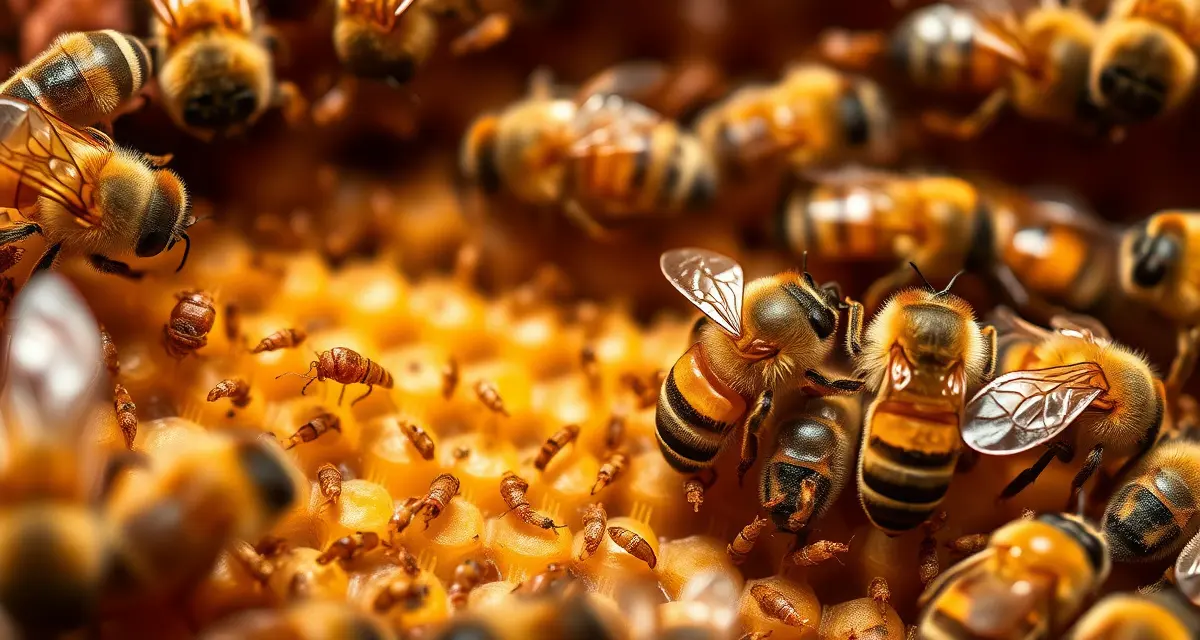
Varroa in Package Bees: What to Expect and How to Monitor
One of the most common mistakes new beekeepers make is assuming their package bees are mite-free. They're not. Studies show package bees from commercial suppliers arrive with an average 0.5-1% varroa infestation rate. That's usually below the 2% treatment threshold, which is good news, but it's not zero, and those mites will reproduce.
Understanding what to expect and when to check is the foundation of your first year of mite management.
TL;DR
- Package bees from commercial suppliers arrive with variable mite loads; never assume they are mite-free
- Test within 2 weeks of installation before the first brood cycle produces a large capped brood population
- Early mite monitoring in packages allows oxalic acid dribble treatment on the broodless period after queen release
- Package bees from the southern US often have higher initial mite loads than locally-raised bees
- Log the package source, installation date, and first mite count in VarroaVault to track mite introduction history
- Establishing a monitoring schedule from day one prevents the common first-year mistake of untested packages
What Mite Levels Are Normal in a New Package
A 0.5-1% infestation rate at package installation is typical and generally manageable. This is because packages are assembled from broodless caged bees, which means mites have been reproducing at reduced rates without sealed brood to hide in during transit. The broodless period in a package is actually a natural brake on mite population growth.
Once you install the package and the queen starts laying, brood rearing begins again. Mite reproduction resumes. From installation forward, mite populations will grow, faster as the colony grows.
The 0.5-1% starting point is a window, not a guarantee. Some packages from suppliers with less rigorous mite management come in higher. Packages that have been held in transit for longer, or that came through warmer conditions, may have different mite profiles. The only way to know what you actually have is to count.
When to Do Your First Mite Count
Wait at least 3-4 weeks after installation before doing your first alcohol wash. Here's why:
During the first 2-3 weeks after installation, the colony is establishing. The queen is ramping up her laying rate, the bees are building comb, and the population is still the 3 pounds of bees you started with. Disturbing the colony too early can stress a newly establishing package and interfere with queen acceptance.
By week 3-4, you should have the first brood emerging, the queen acceptance is well established, and the colony is building momentum. This is a reasonable time to get a baseline mite count without stressing a fragile new colony.
Your first count establishes a baseline for the season. Log it in VarroaVault with the date and collection method so you have a starting point for trend tracking.
Should I Treat a New Package?
In most cases, if the 3-4 week count comes in below 2%, treatment at that point isn't necessary. The colony is building up, brood volume is low, and treatment puts stress on a colony that's still getting established.
What you should do is monitor on a 30-day schedule through spring and early summer. Package colonies with their starting 0.5-1% infestation will often stay below threshold through spring buildup, but as the colony population grows and brood volume increases, mite reproduction accelerates. The count that was fine in May might need attention in July.
If your 3-4 week count comes in above 2%, you need to think about treatment even on a new package. This is less common with packages from reputable suppliers, but it happens. Treating a colony under high mite load is almost always better than letting mites build unchecked even during the establishment period.
Discuss treatment options appropriate for early-season colonies with your local beekeeping association. Oxalic acid dribble on a broodless colony is often the gentlest intervention, but it only works when there's no capped brood. A newly established package may have some brood by 3-4 weeks, so timing and method matter.
Setting Up Tracking From Day One
VarroaVault's package bee starter checklist in the onboarding flow guides new beekeepers through their first season of mite monitoring. You set up the hive with the acquisition date and source, then the platform generates a monitoring calendar that suggests your first count at 3-4 weeks, follow-up counts every 30 days through the season, and threshold alerts when counts come in.
Logging your installation date accurately matters because everything from threshold seasonality adjustments to treatment timing recommendations is calendar-dependent.
Use the mite count tracking app to log your first count and every subsequent one so you can see the trend over your first year. And once you're ready to think about your treatment program structure for the season, how to set up a varroa treatment program walks you through building an annual plan.
Frequently Asked Questions
When should I do my first mite count on a new package?
Wait 3-4 weeks after installation. The colony needs time to establish queen acceptance, build comb, and begin brood rearing before you do a potentially disruptive alcohol wash. By week 3-4, you'll have your first emerged brood, a stabilizing colony, and a representative sample of the population to work with. This first count establishes your seasonal baseline. Log it with the date and sampling method so you have a starting point for trend tracking through the rest of the year.
Should I treat a new package for varroa?
Not automatically. Package bees typically arrive with 0.5-1% infestation rates, which is usually below the 2% treatment threshold. Monitor at 3-4 weeks and let the count guide your decision. If the count is below threshold, continue monitoring monthly and treat when threshold is reached. If the 3-4 week count comes in above 2%, treatment is appropriate even for a new colony. Don't treat prophylactically based on fear of mites, treat based on actual count data.
How do I set up VarroaVault for a new package?
In VarroaVault, create a new hive record with the installation date and select "package" as the acquisition type. The platform's package bee starter checklist walks you through your first-season monitoring setup, including recommended first-count timing, monthly monitoring reminders, and threshold alert configuration. Your installation date anchors the monitoring calendar so all reminders and seasonal adjustments are calculated correctly from day one.
How do I know if my varroa treatment is working?
Run a mite count 2-4 weeks after the treatment ends and compare it to your pre-treatment count. The efficacy formula is: ((pre-count - post-count) / pre-count) x 100. A result above 90% indicates effective treatment. Results below 80% should trigger investigation for possible resistance, application error, or reinfestation. Log both counts in VarroaVault to track efficacy trends across treatment cycles.
How often should I check mite levels in my hives?
At minimum, once per month (every 3-4 weeks) during the active season. Increase to every 2 weeks when counts are near threshold or after a treatment to verify it worked. In fall, monitoring frequency matters most because the window to treat before winter bees are raised is narrow. VarroaVault's monitoring reminders can be set to your preferred interval for each apiary.
What records should I keep for varroa management?
Each record should include: date of count or treatment, hive identifier, monitoring method used, number of bees sampled, mites counted, infestation percentage, treatment product name and EPA registration number, dose applied, treatment start and end dates, and PHI end date. State apiarists typically expect this level of detail during inspections. VarroaVault captures all of these fields in a single log entry.
What is Varroa in Package Bees: What to Expect and How to Monitor?
This article covers varroa mite management for new package bee colonies. It explains that package bees from commercial suppliers typically arrive with a 0.5–1% mite infestation rate, which is below the 2% treatment threshold but not zero. The guide walks beekeepers through what mite levels to expect, when to test after installation, and how to use VarroaVault to log mite counts and track infestation history from the very first day.
How much does Varroa in Package Bees: What to Expect and How to Monitor cost?
The article itself is free educational content on VarroaVault. VarroaVault is a beekeeping management platform with free and paid tiers. The monitoring and logging features referenced in the article—such as tracking package source, installation date, and mite counts—are part of the VarroaVault app. Varroa treatments like oxalic acid dribble that may be recommended are separate purchases available through beekeeping supply retailers.
How does Varroa in Package Bees: What to Expect and How to Monitor work?
The article works by giving beekeepers a step-by-step framework: test within two weeks of installation before the first brood cycle expands the capped brood population, record results in VarroaVault, and act on findings. If mites are detected during the initial broodless window after queen release, oxalic acid dribble can be applied effectively. Ongoing monitoring is scheduled from day one to prevent the common mistake of leaving new packages untested.
What are the benefits of Varroa in Package Bees: What to Expect and How to Monitor?
The key benefit is early intervention. Catching mite levels before the first brood cycle gives beekeepers a rare broodless treatment window where oxalic acid is most effective. Logging data in VarroaVault from installation builds a mite history tied to the package source, helping identify high-risk suppliers over time. Establishing a monitoring routine in the first year creates habits that protect colony health long-term and reduces winter losses caused by untreated varroa.
Who needs Varroa in Package Bees: What to Expect and How to Monitor?
This article is primarily for new beekeepers installing their first package bees, but it is also valuable for experienced beekeepers who have skipped early mite testing in previous seasons. Anyone sourcing packages from commercial suppliers in the southern US—where initial mite loads tend to be higher—will find the guidance especially relevant. Beekeepers using VarroaVault to manage multiple hives will also benefit from the logging and tracking recommendations outlined in the article.
Sources
- American Beekeeping Federation (ABF)
- USDA ARS Bee Research Laboratory
- Honey Bee Health Coalition
- Penn State Extension Apiculture Program
- Project Apis m.
Get Started with VarroaVault
The information in this guide is most useful when you have your own mite count data to apply it to. VarroaVault stores every count, flags threshold crossings automatically, and builds the treatment history you need for state inspections and effective management decisions. See pricing and free tools at varroavault.com.