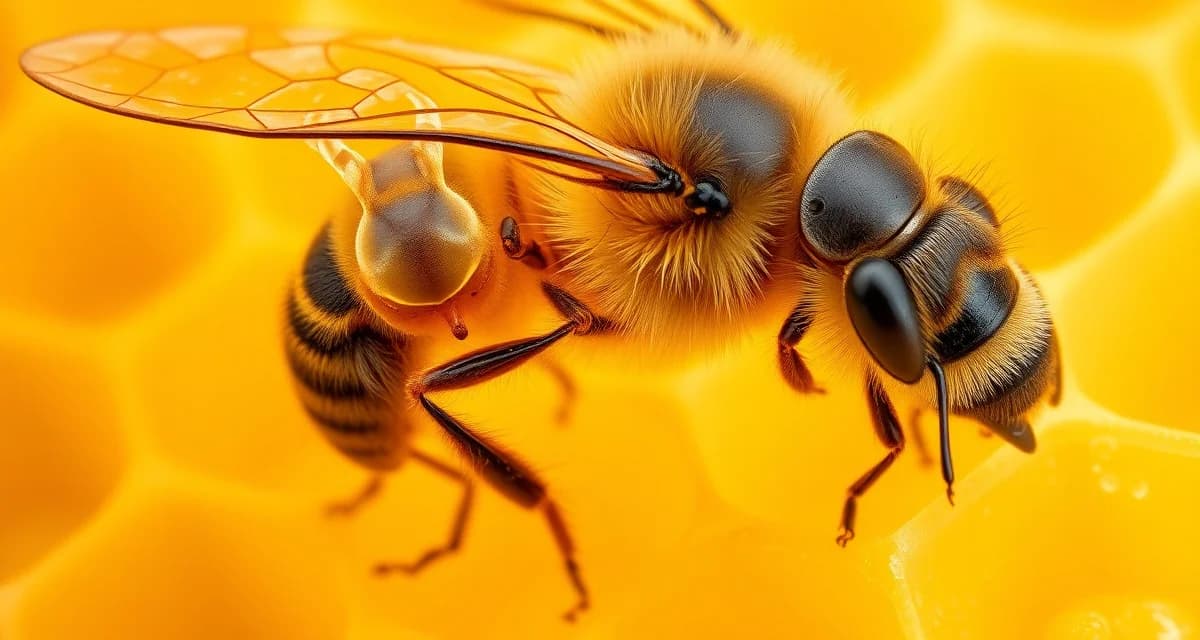
Managing Varroa and Small Hive Beetle at the Same Time: Integrated Approach
Treating colonies with high SHB pressure before reducing mite loads is counterproductive. Mite management must come first. This sequencing rule matters because the treatment decisions interact in ways that can make both problems worse if you get the order wrong.
Here's the rationale and a practical protocol for colonies dealing with both pests simultaneously.
TL;DR
- This guide covers key aspects of managing varroa and small hive beetle at the same time: inte
- Mite monitoring should happen at minimum every 3-4 weeks during active season
- The 2% threshold in spring/summer and 1% in fall are standard action points based on HBHC guidelines
- Always run a pre-treatment and post-treatment mite count to calculate efficacy
- Treatment records including product name, EPA number, dates, and counts are required for state inspection compliance
- VarroaVault stores all monitoring and treatment data with automatic threshold comparison and state export formatting
Why Varroa Takes Priority Over Small Hive Beetle
Small hive beetle (Aethina tumida) is a stress amplifier. It takes advantage of colonies that are already weakened, typically by disease, mite damage, or inadequate bee population. A strong, healthy colony with good mite control can defend against SHB infestations effectively. A mite-weakened colony cannot.
When colonies are struggling under both high mite loads and SHB pressure:
- Mite-damaged bees have reduced immune function and shorter lifespans
- Reduced colony population means fewer guard bees to chase beetles
- Fewer bees means less ability to cap beetle eggs before they hatch
- Larval competition from SHB slimming of brood worsens the colony's ability to rear brood
- A weakening colony from mite pressure becomes increasingly susceptible to SHB invasion
Treating SHB without addressing mites first doesn't solve the underlying problem. The colony remains weak, beetle pressure continues, and you've added a management step without addressing the root cause.
Step 1: Treat Varroa First
If counts are at or above threshold (2-3% depending on season), treat immediately. Choose your product based on:
- Time of year and temperature: Formic acid (MAQS, Formic Pro) in the 50-85°F window. Apiguard above 59°F. Apivar at any normal working temperature.
- Honey super status: Apivar requires super removal. Formic acid per label. Thymol requires super removal.
- Urgency: OA vaporization (extended protocol, 3-5 treatments) achieves the fastest initial knockdown, useful when colonies are in crisis.
Log the treatment in VarroaVault and set a post-treatment count reminder.
Step 2: Address Small Hive Beetle Pressure
After the varroa treatment is underway (or completed, for short-duration treatments), address SHB:
Physical traps: In-hive traps (Freeman bottom board, SHB traps with vegetable oil) catch adult beetles. These don't eliminate the problem but reduce pressure while the colony strengthens.
Soil treatment: In areas with endemic SHB (Southeast US, Gulf Coast), treating the soil around hives with permethrin or diatomaceous earth interrupts the larval development cycle. Adult beetle larvae pupate in the soil outside the hive.
Colony management: Move smaller, weaker colonies to more ventilated locations. Keep hive beetle pressure areas reduced in size. A colony of 8+ frames of bees can patrol and defend adequately; colonies below 4-5 frames of bees struggle.
Reduce hive space: A colony with SHB pressure that has too much empty box space (supers, brood boxes with few frames of bees) can't defend the empty comb. Remove unused boxes and consolidate the colony into a tighter configuration it can patrol.
Do Any Varroa Treatments Affect Small Hive Beetle?
The question comes up frequently. Here's what the evidence shows:
- Oxalic acid (OA): No significant effect on SHB. OA targets mite-specific biology and doesn't affect beetles or their eggs/larvae.
- Formic acid: Some evidence of incidental contact killing of adult beetles during treatment, but not reliable for SHB control.
- Thymol: Similar minimal incidental effect. Not a meaningful SHB control tool.
- Apivar (amitraz): No relevant effect on SHB. Different pest, different biology.
None of the registered varroa treatments should be considered part of your SHB management strategy. They're pest-specific tools.
Tracking Both Pests in VarroaVault
VarroaVault's multi-pest management dashboard shows varroa and SHB pressure simultaneously for each hive. In your inspection log, you can record:
- SHB adult count (number of adult beetles observed)
- SHB larvae observation (presence/absence of slimed comb or larvae)
- SHB trap type and placement date
These observations are tracked alongside your mite counts and treatments. When you view a hive's health record, you see the combined picture: mite count trend on one graph, SHB observation frequency on a secondary timeline.
This combined view is particularly useful for correlating SHB pressure with mite management outcomes. Colonies that maintain mite control typically show declining SHB pressure as colony strength recovers.
Frequently Asked Questions
Which pest should I address first: varroa or small hive beetle?
Address varroa first. Mite management must come before SHB intervention because colony weakness from high mite loads makes SHB pressure worse. A strong colony with good mite control can defend against SHB. A mite-weakened colony cannot, and treating SHB in an untreated mite-heavy colony doesn't solve the root problem.
Do any varroa treatments affect small hive beetle?
Not meaningfully. Registered varroa treatments (OA, formic acid, thymol, Apivar) don't have reliable efficacy against small hive beetle. Some incidental contact killing of adult beetles may occur with formic acid or thymol, but this isn't sufficient to manage an SHB population. Dedicated SHB control requires in-hive traps, soil treatment, and colony strength management.
Does VarroaVault track both varroa and SHB management records?
Yes. VarroaVault's inspection log includes fields for SHB adult count and larvae observations alongside mite count entries. The multi-pest dashboard shows varroa and SHB pressure data simultaneously for each hive. This lets you see the relationship between mite management progress and SHB pressure levels over time.
How do I know if my varroa treatment is working?
Run a mite count 2-4 weeks after the treatment ends and compare it to your pre-treatment count. The efficacy formula is: ((pre-count - post-count) / pre-count) x 100. A result above 90% indicates effective treatment. Results below 80% should trigger investigation for possible resistance, application error, or reinfestation. Log both counts in VarroaVault to track efficacy trends across treatment cycles.
How often should I check mite levels in my hives?
At minimum, once per month (every 3-4 weeks) during the active season. Increase to every 2 weeks when counts are near threshold or after a treatment to verify it worked. In fall, monitoring frequency matters most because the window to treat before winter bees are raised is narrow. VarroaVault's monitoring reminders can be set to your preferred interval for each apiary.
What records should I keep for varroa management?
Each record should include: date of count or treatment, hive identifier, monitoring method used, number of bees sampled, mites counted, infestation percentage, treatment product name and EPA registration number, dose applied, treatment start and end dates, and PHI end date. State apiarists typically expect this level of detail during inspections. VarroaVault captures all of these fields in a single log entry.
What is Managing Varroa and Small Hive Beetle at the Same Time: Integrated Approach?
Managing Varroa and Small Hive Beetle simultaneously is an integrated pest management approach for beekeepers facing both threats at once. The protocol establishes a clear treatment sequence: address varroa mites first, since small hive beetle (SHB) is a stress amplifier that exploits already-weakened colonies. By reducing mite loads before tackling SHB pressure, beekeepers restore colony strength, making hives naturally more resistant to beetle infestations. Monitoring every 3-4 weeks and maintaining records ensures compliance and measurable outcomes.
How much does Managing Varroa and Small Hive Beetle at the Same Time: Integrated Approach cost?
This integrated approach itself is free knowledge — no purchase required. However, implementing it effectively requires approved varroa treatments such as oxalic acid, formic acid, or amitraz strips, which vary in cost. VarroaVault, the platform referenced in this guide, provides monitoring logs, threshold alerts, treatment records, and state-export formatting to support the protocol. Pricing for VarroaVault depends on the plan selected. Treatment product costs vary by brand, colony count, and regional availability.
How does Managing Varroa and Small Hive Beetle at the Same Time: Integrated Approach work?
The approach works by sequencing interventions strategically. First, monitor mite levels every 3-4 weeks using an alcohol wash or sugar roll. If counts exceed 2% in spring/summer or 1% in fall, treat immediately with an EPA-registered miticide. Run pre- and post-treatment counts to verify efficacy. Only after mite loads are controlled should you address SHB with traps or physical barriers. Strong, healthy colonies naturally suppress beetle pressure, making mite control the foundation of the entire system.
What are the benefits of Managing Varroa and Small Hive Beetle at the Same Time: Integrated Approach?
The primary benefit is avoiding the trap of treating both pests simultaneously in the wrong order, which can worsen both problems. Prioritizing mite control restores colony health and population, making bees capable of policing SHB themselves. Additional benefits include regulatory compliance through documented treatment records, data-driven decision-making via threshold-based monitoring, and reduced colony losses. Using VarroaVault adds automatic threshold comparison and state inspection export, saving time and reducing the risk of missed treatment windows.
Who needs Managing Varroa and Small Hive Beetle at the Same Time: Integrated Approach?
Any beekeeper managing colonies with concurrent varroa and small hive beetle pressure needs this approach — particularly in warm, humid climates where SHB populations are highest. Hobbyists with just a few hives benefit from the clear sequencing rules, while commercial and sideliner operations need the documentation standards for state inspection compliance. New beekeepers especially benefit from the structured protocol, since mismanaging the treatment order is a common and costly mistake that can lead to rapid colony collapse.
Related Articles
Sources
- American Beekeeping Federation (ABF)
- USDA ARS Bee Research Laboratory
- Honey Bee Health Coalition
- Penn State Extension Apiculture Program
- Project Apis m.
Get Started with VarroaVault
The information in this guide is most useful when you have your own mite count data to apply it to. VarroaVault stores every count, flags threshold crossings automatically, and builds the treatment history you need for state inspections and effective management decisions. See pricing and free tools at varroavault.com.