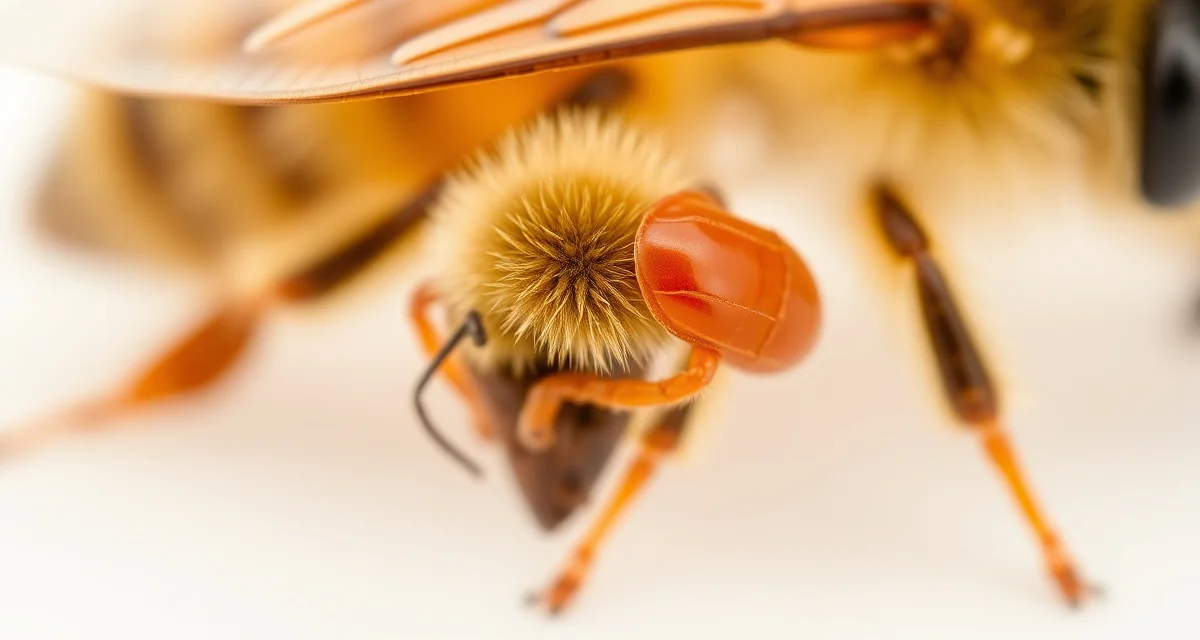
Varroa in Mating Nucs: Managing Mites in Small Queen-Rearing Colonies
A 2% mite infestation in a 2-frame mating nuc is proportionally 4x more damaging than in a 10-frame colony. The calculation is straightforward: the same number of mites per bee, but on a tiny colony with no population buffer, no reserve workforce to compensate for mite-damaged nurse bees, and a virgin queen that needs healthy attendants to complete mating successfully.
Mite management in mating nucs is often the overlooked step in queen-rearing programs. Get it right and your virgin queens mate and begin laying in well-managed colonies. Get it wrong and you're attributing queen failures to genetics or mating conditions when the real cause was mite pressure on the nuc.
TL;DR
- This guide covers key aspects of varroa in mating nucs: managing mites in small queen-rearing
- Mite monitoring should happen at minimum every 3-4 weeks during active season
- The 2% threshold in spring/summer and 1% in fall are standard action points based on HBHC guidelines
- Always run a pre-treatment and post-treatment mite count to calculate efficacy
- Treatment records including product name, EPA number, dates, and counts are required for state inspection compliance
- VarroaVault stores all monitoring and treatment data with automatic threshold comparison and state export formatting
Why Mites Are So Damaging in Mating Nucs
Several factors make mating nucs especially vulnerable:
Small population. A 2-3 frame mating nuc has 2,000-3,000 bees. Every bee matters. If mites and DWV compromise 20-30% of the nurse bee population, the impact on the queen's care and feeding is immediate and direct. In a 40,000-bee full colony, 20% nurse bee loss is buffered by the remaining population.
Limited brood production. Mating nucs don't have enough bees to raise large amounts of brood. The mite reproductive rate relative to the bee reproductive rate is much more unfavorable in a small colony. Mite populations can double faster than the colony can replace the bees they parasitize.
Queen mating requirements. A virgin queen must take mating flights and return successfully. DWV-compromised bees have shorter flight ranges and reduced navigational ability. A mating nuc with high DWV pressure can lose returning queens more often than a healthy nuc, not because the queen is poor quality but because her escort bees and home colony are compromised.
Sensitivity to treatments. Mating nucs can't tolerate many treatments that are appropriate for full colonies. Treatment concentration relative to colony size is higher. This limits your options when treatment is needed.
Mite Thresholds for Mating Nucs
The standard thresholds (3% active season, 2% pre-winter) are calibrated for full-size colonies. For mating nucs, use a more conservative threshold:
Action threshold: 1.5% or above. At this level in a mating nuc, the proportional mite impact justifies immediate treatment.
High concern: 2% or above. This level in a mating nuc warrants urgent treatment and assessment of whether the nuc is salvageable before virgin queen introduction.
Mite Counting in Mating Nucs
The challenge: standard alcohol wash protocol calls for 300 bees. A 2-frame mating nuc may have only 2,000-3,000 total bees. Taking a 300-bee sample removes 10-15% of the colony population. This is acceptable if you need an accurate count for a treatment decision, but it's a significant sampling fraction.
Alternative for very small nucs: Use a 100-bee sample instead of 300. Count mites, divide by 100, multiply by 100 to get the percentage. The sample error is higher with a smaller sample, but it's preferable to a full 300-bee wash from a tiny colony. Log the sample size in VarroaVault so the efficacy calculation accounts for the smaller sample.
Count before queen introduction. If the nuc population shows elevated mites before the virgin queen is introduced, treat first, confirm efficacy, then introduce the queen. Starting with a clean nuc gives the queen the best possible environment for mating success.
Treatment Options for Mating Nucs
Best option: OA vaporization (extended or single)
OA vaporization is the safest treatment for any size colony at any queen stage. Single vaporization in a broodless mating nuc (freshly made, before brood is established) is appropriate and achieves 80-90% efficacy. Extended protocol (2-3 applications) if some brood is present.
Dose adjustment for mating nucs: 0.5 grams of Api-Bioxal per treatment is appropriate for a 2-3 frame mating nuc. Standard 1g per brood box is calibrated for full Langstroth equipment.
OA dribble
OA dribble is appropriate if the mating nuc is confirmed broodless. Dose: 1-2ml per seam of bees (not the standard 5ml, which could over-dose a tiny colony). Maximum 15-20ml for any mating nuc regardless of population.
Apivar: use with caution
Apivar strips can be cut and installed as a partial strip in mating nucs. A half-strip per 2-frame mating nuc is a commonly used approach. Leave in for 42-56 days per the label. The issue: in a mating nuc with active queen introduction and queen removal cycles, Apivar strips may need to be managed carefully to avoid loss or disruption during nuc cycling.
Formic acid: not recommended for mating nucs
The queen sensitivity concern and small colony size make formic acid inappropriate for most mating nuc situations. OA is available and safer; use it instead.
Setting Up Mating Nucs in VarroaVault
VarroaVault's mating nuc profile type sets a lower threshold alert (1.5% instead of 3%) and adjusts the OA dose calculator for the smaller colony size. When you create a new hive with type "Mating Nuc," these defaults apply automatically.
You can also log queen introduction and removal events within the mating nuc profile, keeping track of which queens are in which nucs and their current mating status.
Frequently Asked Questions
What mite level is safe in a mating nuc?
Use a threshold of 1.5% for mating nucs rather than the 3% active-season threshold for full colonies. The small population, limited buffering capacity, and queen mating requirements make mating nucs more sensitive to mite impact at lower percentage levels. A 2-frame nuc at 2% is facing proportionally four times the mite stress of a 10-frame colony at 2%, so the more conservative threshold is justified.
Can I treat a mating nuc with OA dribble?
Yes, with dose adjustment. The standard 5ml per seam is appropriate for full colonies but can over-dose a tiny mating nuc. Use 1-2ml per seam with a maximum total of 15-20ml for any mating nuc. Dribble is only effective in broodless conditions; a freshly made mating nuc with no capped brood is the ideal use case. If brood is present, use OA vaporization instead.
How do I set up a mating nuc in VarroaVault?
Create a new hive profile and select "Mating Nuc" as the hive type. VarroaVault automatically sets a 1.5% treatment threshold for the lower-tolerance threshold appropriate for small queen-rearing colonies, and adjusts the dose calculator to reflect the smaller colony size. You can log queen introduction and removal events within the mating nuc profile to track queen rearing events alongside mite management.
How do I know if my varroa treatment is working?
Run a mite count 2-4 weeks after the treatment ends and compare it to your pre-treatment count. The efficacy formula is: ((pre-count - post-count) / pre-count) x 100. A result above 90% indicates effective treatment. Results below 80% should trigger investigation for possible resistance, application error, or reinfestation. Log both counts in VarroaVault to track efficacy trends across treatment cycles.
How often should I check mite levels in my hives?
At minimum, once per month (every 3-4 weeks) during the active season. Increase to every 2 weeks when counts are near threshold or after a treatment to verify it worked. In fall, monitoring frequency matters most because the window to treat before winter bees are raised is narrow. VarroaVault's monitoring reminders can be set to your preferred interval for each apiary.
What records should I keep for varroa management?
Each record should include: date of count or treatment, hive identifier, monitoring method used, number of bees sampled, mites counted, infestation percentage, treatment product name and EPA registration number, dose applied, treatment start and end dates, and PHI end date. State apiarists typically expect this level of detail during inspections. VarroaVault captures all of these fields in a single log entry.
What is Varroa in Mating Nucs: Managing Mites in Small Queen-Rearing Colonies?
Varroa in mating nucs refers to the management of varroa mite infestations within small, 2-3 frame queen-rearing colonies used during the mating process. Because these colonies lack the population buffer of full-sized hives, even a 2% mite load is proportionally four times more damaging. This guide covers monitoring intervals, treatment thresholds, efficacy tracking, and record-keeping practices specific to the unique challenges of protecting virgin queens in small colonies.
How much does Varroa in Mating Nucs: Managing Mites in Small Queen-Rearing Colonies cost?
VarroaVault is a free monitoring and record-keeping platform — there is no cost to track mite counts, log treatments, or access threshold guidelines for your mating nucs. The beekeeping practices described in this article, including alcohol wash monitoring and approved treatments like oxalic acid, require only standard equipment and registered products available through beekeeping suppliers. Your main investment is time and consistent monitoring every 3-4 weeks during active season.
How does Varroa in Mating Nucs: Managing Mites in Small Queen-Rearing Colonies work?
Effective varroa management in mating nucs works by applying strict monitoring and low action thresholds — 2% in spring/summer, 1% in fall — before mite pressure disrupts nurse bee health. Treatments such as oxalic acid vaporization are applied based on count results, with pre- and post-treatment washes to calculate efficacy. Because brood cycles affect mite detection, timing matters. VarroaVault automates threshold comparisons and tracks treatment history to keep your program consistent across multiple nucs.
What are the benefits of Varroa in Mating Nucs: Managing Mites in Small Queen-Rearing Colonies?
The primary benefit is improved queen-rearing success. Healthy, mite-controlled nucs produce virgin queens with adequate attendants, better mating outcomes, and stronger early laying performance. Secondary benefits include reduced colony losses from mite-transmitted viruses, more accurate attribution of queen failures to actual causes rather than mite pressure, and documented treatment records that satisfy state inspection requirements. Systematically managing varroa in nucs also protects your full colonies by preventing mite-loaded queens from being introduced.
Who needs Varroa in Mating Nucs: Managing Mites in Small Queen-Rearing Colonies?
This guide is essential for any beekeeper running a queen-rearing program — from hobbyists producing a handful of queens to commercial operations managing dozens of mating nucs simultaneously. It is particularly valuable for beekeepers who have experienced unexplained queen failures or poor mating rates, as mite pressure in nucs is a commonly overlooked variable. It also benefits beekeepers subject to state apiary inspections who need compliant, timestamped treatment and monitoring records.
Related Articles
- Natural Cell Size and Varroa: Does Small Cell Comb Reduce Mites?
- Varroa Mite Treatment in Summer: Managing Mites During Honey Flow
Sources
- American Beekeeping Federation (ABF)
- USDA ARS Bee Research Laboratory
- Honey Bee Health Coalition
- Penn State Extension Apiculture Program
- Project Apis m.
Get Started with VarroaVault
The information in this guide is most useful when you have your own mite count data to apply it to. VarroaVault stores every count, flags threshold crossings automatically, and builds the treatment history you need for state inspections and effective management decisions. See pricing and free tools at varroavault.com.