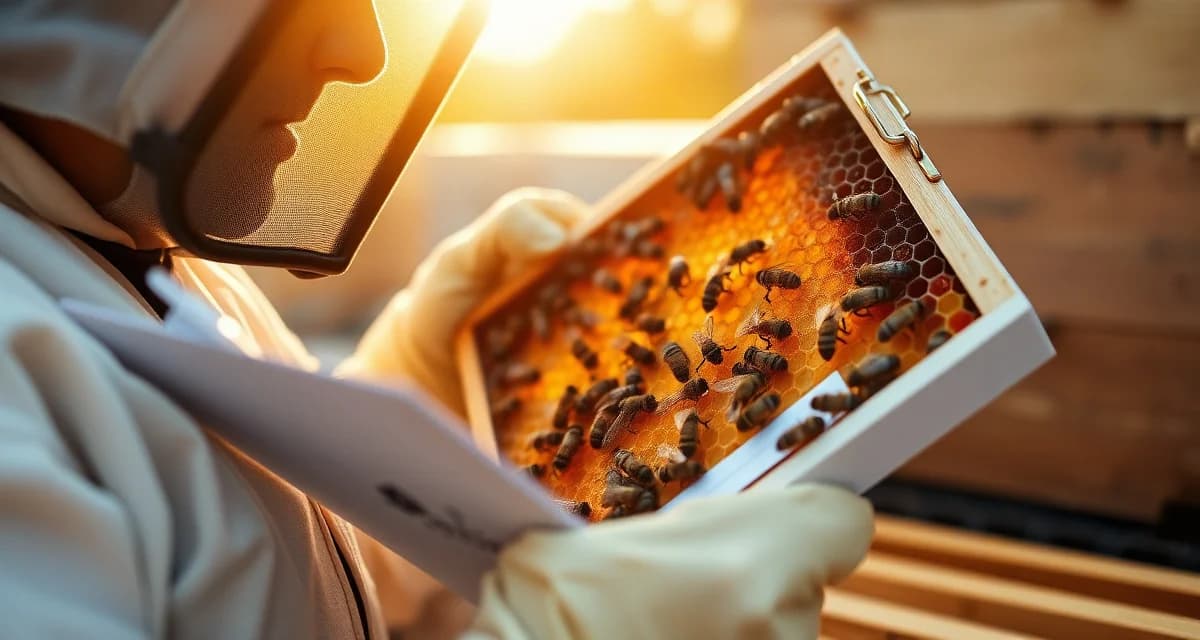
How to Track Queen Introductions and Mite Levels Post-Requeening
Requeening is the most impactful genetic intervention you can make in a colony. A new queen changes the colony's temperament, brood pattern, swarm tendency, and potentially its mite trajectory. Replacing a colony with a hygienic queen line can reduce mite population growth rates by up to 30%.
But you can't know if requeening changed your mite picture unless you tracked counts before and after. That's the part most beekeepers skip, and it's where the value gets lost.
This guide covers how to track queen introductions beekeeping records effectively, what to monitor after introduction, and how to use VarroaVault's queen history feature to connect your queen management to your varroa program.
TL;DR
- High varroa loads directly damage queen quality by infesting the queen cell during development
- Mite-damaged queens show reduced sperm viability, shorter productive lifespans, and higher supersedure rates
- Colonies with persistent mite loads above 3% show significantly higher queen failure rates than well-managed colonies
- Track queen events (introduction, supersedure, loss) alongside mite count data to identify correlations
- Spring queen problems that seem random often trace back to fall varroa pressure on the previous queen cohort
- VarroaVault links queen event records to mite count history for each colony
Why Tracking Queen Introduction Dates Matters
The queen introduction date anchors everything that comes after:
- Brood gap: When you remove the old queen, there's a period before the new queen is laying. Knowing when that brood gap started (and ended) helps you interpret mite counts during that window.
- Mite rebound timing: After the brood gap, the new queen starts laying and mite reproduction resumes. How fast does the mite count climb? The answer tells you something about the new queen's genetics.
- Queen acceptance tracking: If a colony fails to accept a queen, you need to know when you introduced her and when you should have seen eggs.
- Treatment planning: A colony in a brood gap from a new queen introduction is briefly an ideal OA treatment candidate, all mites are phoretic. Knowing the exact introduction date lets you plan that treatment window.
What to Log at Introduction
When you introduce a new queen, log:
- Introduction date, the day you placed the cage or cell
- Queen source, breeder, operation name, queen line (VSH, Carniolan, Italian, locally selected, etc.)
- Method, caged direct introduction, newspaper combine, walk-in, etc.
- Old queen status, removed, superseded, or unknown
- Pre-requeening mite count, this is your baseline for comparison
That last point deserves emphasis. If you don't have a mite count from within 1-2 weeks before requeening, you have no before-and-after comparison. The data becomes much less useful.
The Post-Requeening Monitoring Protocol
Day 3-5: Cage Check
If you used a caged introduction, check the cage. Is the queen still alive? Have bees released her or are they still working through the candy? If there's aggressive balling behavior visible through the screen, the colony may be rejecting her.
Log the cage check result.
Day 10-14: Egg and Acceptance Confirmation
Open the hive and look for eggs. Eggs mean the queen was accepted and is laying. No eggs at day 14 means something went wrong, queen not released, rejected, dead, or failing.
Log: queen acceptance status, first egg observation, and any behavioral notes.
Day 30-40: First Post-Requeening Mite Count
This is where the interesting data starts. Once the new queen's brood has been capped and is emerging, do an alcohol wash. Compare to your pre-requeening baseline.
Scenario 1: Mites are lower than your baseline. Possible causes, the brood gap gave you a window of high phoretic mite exposure that natural attrition reduced, or the new queen's offspring are showing early hygienic behavior.
Scenario 2: Mites are similar to your baseline. The new queen is probably not changing the mite trajectory yet, it's too early for genetic differences to show.
Scenario 3: Mites are climbing fast relative to baseline. This colony may need treatment regardless of the new queen. Don't wait for the genetics to save you.
Day 60-90: Trend Count
By 2-3 months after introduction, you have enough of the new queen's workers to start seeing a genetic signal. Do another count and compare the trend.
VarroaVault's post-requeening mite trend graph shows whether a new queen's brood cycle affects colony mite levels, plotting the count trend from before introduction through the first 3 months of the new queen's reign.
How Do I Log a Queen Introduction in VarroaVault?
In VarroaVault, navigate to the colony record and select "Add Event", then "Queen Introduction." Fields include:
- Introduction date
- Queen source and line
- Introduction method
- Cage check date (auto-prompted at day 5)
- Acceptance confirmation date (auto-prompted at day 14)
After acceptance is confirmed, VarroaVault automatically schedules a 30-day and 60-day mite count reminder tagged to the queen introduction event. When you enter those counts, they're linked to the queen introduction record, so you have a single view of queen history and mite trajectory together.
Can I Compare Mite Levels Before and After Requeening?
Yes, and this is where the queen history feature becomes genuinely useful. VarroaVault's timeline view for a colony shows:
- Pre-requeening mite counts
- Queen introduction date
- Brood gap period (marked on the timeline)
- Post-requeening mite counts at 30, 60, and 90 days
You can see at a glance whether the new queen's first season moved the colony's mite trajectory up or down. Over multiple requeening events across multiple colonies, patterns emerge: which queen lines consistently produce low-mite colonies, and which lines don't change the picture.
Does VarroaVault Track Hygienic Queen Line Data?
Yes. When you log a queen introduction, you can record the queen line source (VSH, Carniolan, hygienically selected local, etc.). Over time, VarroaVault builds a comparative view of how colonies with different queen lines perform on mite trajectory.
If you've been requeening with VSH queens for two years, you can pull a report comparing average mite load trajectory for VSH-queened colonies versus your historical baseline. That's selection data with real operational value.
The queen rearing program tracker is the companion feature for managing breeder selection. For count tracking between queen introduction milestones, the mite count tracking app keeps your full inspection history in one place.
For broader varroa management connected to genetics, see the varroa-resistant bees breeding guide.
Common Queen Tracking Mistakes
Not recording the queen source. Three years from now, you won't remember which colonies had VSH queens and which had commercial stock. Log it at introduction.
Skipping the pre-requeening count. Without a before number, you can't calculate whether the new queen improved the colony's mite picture.
Counting too soon post-introduction. A count at day 14 shows the mite population from the old queen's brood plus new brood that's just being laid. Wait until day 30-40 for meaningful post-requeening data.
Not distinguishing between treatment effects and requeening effects. If you treated and requeened in the same 3-week window, your mite count change reflects both. Try to separate these events by at least 4-6 weeks if you want clean data on each.
How do I log a queen introduction in VarroaVault?
In the colony record, select "Add Event" and then "Queen Introduction." Enter the introduction date, queen source, introduction method, and any queen line information. VarroaVault will prompt you for a cage check at day 5 and an acceptance confirmation at day 14. After acceptance is confirmed, 30-day and 60-day mite count reminders are automatically scheduled and linked to the queen introduction record.
Can I compare mite levels before and after requeening?
Yes. VarroaVault's colony timeline displays pre-requeening counts, the introduction event date, and subsequent mite counts tagged to the queen introduction. The brood gap period is marked on the timeline. You can view the full trajectory, before, during, and after, to assess whether the new queen's genetics are changing your colony's mite growth rate. Over multiple requeening events, patterns across queen lines become visible in the comparative view.
Does VarroaVault track hygienic queen line data?
Yes. Queen line information logged at introduction is stored in the colony record and available in the comparative reporting view. Colonies queenright with VSH queens, locally-selected hygienic queens, or commercial stock are tracked separately, so you can compare average mite trajectory by queen line across your operation. This is particularly useful if you're making selection decisions based on mite suppression performance.
How do I know if my varroa treatment is working?
Run a mite count 2-4 weeks after the treatment ends and compare it to your pre-treatment count. The efficacy formula is: ((pre-count - post-count) / pre-count) x 100. A result above 90% indicates effective treatment. Results below 80% should trigger investigation for possible resistance, application error, or reinfestation. Log both counts in VarroaVault to track efficacy trends across treatment cycles.
How often should I check mite levels in my hives?
At minimum, once per month (every 3-4 weeks) during the active season. Increase to every 2 weeks when counts are near threshold or after a treatment to verify it worked. In fall, monitoring frequency matters most because the window to treat before winter bees are raised is narrow. VarroaVault's monitoring reminders can be set to your preferred interval for each apiary.
What records should I keep for varroa management?
Each record should include: date of count or treatment, hive identifier, monitoring method used, number of bees sampled, mites counted, infestation percentage, treatment product name and EPA registration number, dose applied, treatment start and end dates, and PHI end date. State apiarists typically expect this level of detail during inspections. VarroaVault captures all of these fields in a single log entry.
FAQ
What is How to Track Queen Introductions and Mite Levels Post-Requeening?
Tracking queen introductions and mite levels post-requeening is a structured beekeeping practice that connects your queen management events — introductions, supersedures, and losses — to varroa mite count data before and after each event. By recording both together, you can measure whether a new queen, especially one from a hygienic line, actually reduced mite population growth in your colony. Most beekeepers skip this step and lose the evidence needed to evaluate their requeening decisions.
How much does How to Track Queen Introductions and Mite Levels Post-Requeening cost?
The tracking practice itself costs nothing beyond your time and a reliable mite-counting method like an alcohol wash or sugar roll. VarroaVault offers a queen history feature that digitizes this process, linking queen events directly to your mite count records. VarroaVault's pricing depends on the plan you choose, but the core tracking functionality is designed to be accessible to hobbyist and sideliner beekeepers who want data-driven colony management without expensive tools.
How does How to Track Queen Introductions and Mite Levels Post-Requeening work?
You record a baseline mite count before introducing the new queen, then log the introduction date and queen source in your colony records. After a full brood cycle — roughly 4 to 6 weeks — you take follow-up mite counts to detect any change in mite load trajectory. VarroaVault's queen history feature links these data points automatically, so you can visualize whether mite levels declined, held steady, or continued rising after the requeening event.
What are the benefits of How to Track Queen Introductions and Mite Levels Post-Requeening?
The key benefit is turning requeening from a gut-feel decision into a measurable intervention. You gain evidence of whether hygienic queen genetics actually reduced mite growth in your specific colonies, which helps you evaluate breeders, refine your timing, and justify treatment decisions. It also reveals hidden patterns — spring queen failures that look random often trace back to fall varroa pressure. Tracking both variables together builds a feedback loop that improves your entire varroa and queen management program.
Who needs How to Track Queen Introductions and Mite Levels Post-Requeening?
Any beekeeper who requeens colonies should track mite levels before and after, but this practice is especially valuable for those managing multiple hives, evaluating hygienic queen breeders, or struggling with recurring mite problems. Sideliners and small commercial operations benefit most because the data scales across hives and seasons. If you've been requeening without mite data, you're making a significant genetic intervention with no way to measure the outcome — this process closes that gap.
How long does How to Track Queen Introductions and Mite Levels Post-Requeening take?
A complete post-requeening tracking cycle takes 6 to 8 weeks from introduction to meaningful data. You need at least one mite count before introduction and one after a full brood cycle has turned over under the new queen — typically 5 to 6 weeks post-introduction. Some beekeepers take a second follow-up count at 8 weeks for confirmation. The actual time spent counting and logging is minimal; the waiting period for the brood cycle is the real timeline constraint.
What should I look for when choosing How to Track Queen Introductions and Mite Levels Post-Requeening?
Look for a method that captures both queen events and mite counts in the same record system, so the data is linked rather than stored in separate notebooks or spreadsheets. Timestamps matter — the gap between events determines whether you're seeing the new queen's influence or residual mite pressure from before introduction. Hygienic line sourcing details are also worth recording. A tool like VarroaVault that connects queen history directly to mite count trends is preferable to manually correlating two separate logs.
Is How to Track Queen Introductions and Mite Levels Post-Requeening worth it?
Yes, if you're already requeening, adding structured mite tracking costs minimal extra effort and substantially increases the value of that investment. Requeening with a hygienic line can reduce mite population growth rates by up to 30%, but you won't know if it worked in your colonies without before-and-after counts. The data also protects you from over-treating or under-treating based on incomplete information. For any beekeeper trying to manage varroa strategically rather than reactively, this tracking practice is one of the highest-leverage habits to build.
Sources
- American Beekeeping Federation (ABF)
- USDA ARS Bee Research Laboratory
- Honey Bee Health Coalition
- Penn State Extension Apiculture Program
- Project Apis m.
Get Started with VarroaVault
The information in this guide is most useful when you have your own mite count data to apply it to. VarroaVault stores every count, flags threshold crossings automatically, and builds the treatment history you need for state inspections and effective management decisions. See pricing and free tools at varroavault.com.