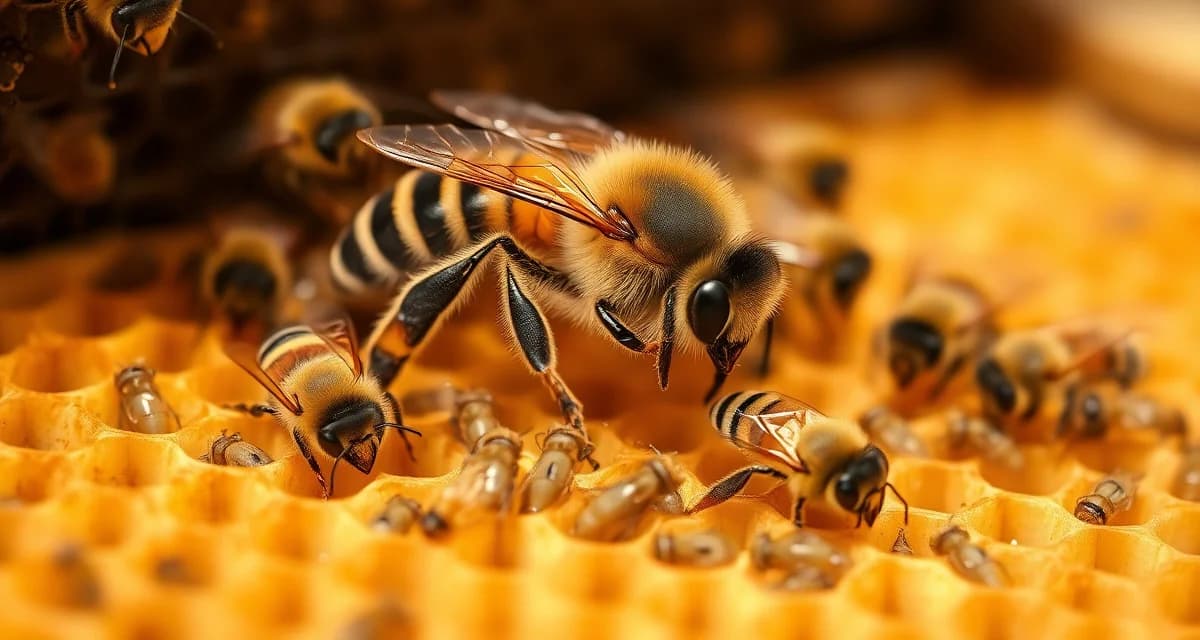
Queen Loss and Varroa: High Mite Loads Damage Queens and Brood
Queen problems are one of those things beekeepers often chalk up to bad luck. The queen just "failed." The colony superseded for no obvious reason. A newly introduced queen didn't take. When you start tracking queen events alongside mite count history, the pattern that emerges is often less mysterious than it seemed.
Colonies with mite loads above 4% have queen supersedure rates 2.5 times higher than low-mite colonies. The mechanism is direct: varroa mites reproduce in queen cells just as they do in worker cells. A queen raised in a mite-infested cell is physically compromised before she even hatches.
TL;DR
- High varroa loads directly damage queen quality by infesting the queen cell during development
- Mite-damaged queens show reduced sperm viability, shorter productive lifespans, and higher supersedure rates
- Colonies with persistent mite loads above 3% show significantly higher queen failure rates than well-managed colonies
- Track queen events (introduction, supersedure, loss) alongside mite count data to identify correlations
- Spring queen problems that seem random often trace back to fall varroa pressure on the previous queen cohort
- VarroaVault links queen event records to mite count history for each colony
How Varroa Damages Queen Development
Queen cells take 16 days from egg to emergence. Varroa mites invade queen cells the same way they invade worker cells, entering when the cell is capped and beginning to reproduce during the pupal stage. The mite population in a queen cell can be higher than in worker cells because the longer capping period provides more reproductive opportunity.
A queen that develops in a mite-infested cell suffers the same pupal feeding damage that affects worker bees. Fat bodies are depleted. Vitellogenin production is impaired. The reproductive system, which in queens is the defining characteristic, may develop abnormally.
Queens that emerge from mite-infested cells often look normal. You can't identify the damage by looking at them. But they may:
- Begin failing sooner than expected (shortened productive lifespan)
- Show reduced egg-laying rate or patchy brood pattern earlier than expected
- Be superseded by workers who detect the compromised pheromone profile
- Fail drone mating flights due to flight muscle compromise similar to what DWV causes in worker bees
This is why high-mite colonies cycle through queens faster. Workers supersede the damaged queens, raise new ones in the same mite-loaded environment, and the cycle continues. You end up chasing queen problems that are actually mite problems.
Recognizing Varroa-Related Queen Issues
A few patterns worth watching for:
Repeated supersedure in high-mite seasons. If a colony is superseding queens more often than expected, and the supersedure correlates with periods of elevated mite counts, the mite load is likely damaging queens.
Short queen lifespan. Most queens last 2-4 years in productive use. Queens that fail in their first full season, before other explanations (poor mating, disease, injury) can be confirmed, should make you look at mite count history for that colony during the queen development period.
New queen introduction failures. If you're introducing a healthy, mated queen to a colony that's been running a high mite load, the colony may continue rejecting queens. The queen cells are still in a mite-loaded environment, and any emergency queens the colony raises will also be compromised.
The Genetic Compounding Problem
Here's a longer-term concern that doesn't get enough attention: in operations that raise their own queens, raising queens in high-mite colonies perpetuates the problem genetically. You're selecting queens that somehow survived development in mite-infested cells, but "survived" doesn't mean "undamaged." And the drone population from high-mite colonies also carries mite-related stress effects that can influence mating quality.
If you're doing any queen rearing, mite management in your breeder colonies and drone-source colonies is not optional. It's central to raising quality queens.
Logging Queen Events in VarroaVault
VarroaVault's queen event correlation graph shows supersedure and queen failure rates against your rolling mite count trend. When you log a queen event, whether supersedure, failure, successful introduction, or emergency queen rearing, that event is dated and linked to your colony's current mite count history.
Over multiple seasons, the graph reveals whether your queen events cluster around high-mite periods. Many beekeepers who track this carefully find that the correlation is stronger than they expected. What felt like a queen management problem was actually a mite management problem expressing itself through queen turnover.
You can log queen events directly through VarroaVault's mite count tracking app, and if you're raising your own queens, the queen rearing program tracker lets you track breeder colony selection alongside mite outcomes.
What to Do If High Mites Are Damaging Queens
Treat before queen introduction. If you're introducing a queen to a colony that's been running high mite counts, treat and confirm mite loads are below threshold before the introduction. Give the new queen the cleanest possible brood environment.
Don't raise queens in high-mite colonies. If your queen-rearing donor or cell-starter colonies have elevated mite loads, delay queen rearing until after treatment. Queens raised in mite-free colonies have better development outcomes.
Consider brood break + treat + requeen. For a colony that's cycling through queens due to mite-related queen damage, a brood break for OA treatment followed by requeening with a proven mated queen can break the cycle. The brood break gives you the most complete mite kill before the new queen begins laying.
Requeen with hygienic stock. Queens from hygienic breeding programs show better tolerance to mite pressure through the queen cell development period. If queen damage is a recurring issue, genetic selection is worth considering for your long-term stock.
Frequently Asked Questions
Can varroa cause queen failure?
Yes. Varroa mites reproduce inside queen cells during the pupal stage, feeding on the developing queen and depleting fat body reserves needed for a productive, long-lived queen. Queens raised in mite-infested cells may appear normal on emergence but have shortened productive lifespans, impaired pheromone profiles that trigger earlier supersedure, and reduced egg-laying capacity. Colonies with mite loads above 4% have queen supersedure rates 2.5 times higher than low-mite colonies, reflecting the cumulative damage that mite-infested queen development imposes.
How do I log a queen loss event in VarroaVault?
In VarroaVault's hive health log, add a queen event record specifying the event type (supersedure, emergency replacement, introduction, failure, or loss), the date observed, the queen's origin if known, and the colony's approximate strength at the time. The platform links this queen event to your current mite count record and full count history. Over multiple seasons, queen events and mite count trends appear on the same timeline graph, making the correlation between high-mite periods and elevated queen turnover visible in your own data.
Does VarroaVault correlate queen events with mite levels?
Yes. VarroaVault's queen event correlation graph plots supersedure and queen failure events against your rolling mite count trend for each colony. The graph shows whether your queen events cluster around periods of elevated mite loads, which is a common pattern in operations that haven't previously linked the two. Over multiple seasons of tracking, this correlation helps you identify colonies where queen damage is being driven by mite pressure, guiding both treatment timing decisions and genetic selection choices.
How do I know if my varroa treatment is working?
Run a mite count 2-4 weeks after the treatment ends and compare it to your pre-treatment count. The efficacy formula is: ((pre-count - post-count) / pre-count) x 100. A result above 90% indicates effective treatment. Results below 80% should trigger investigation for possible resistance, application error, or reinfestation. Log both counts in VarroaVault to track efficacy trends across treatment cycles.
How often should I check mite levels in my hives?
At minimum, once per month (every 3-4 weeks) during the active season. Increase to every 2 weeks when counts are near threshold or after a treatment to verify it worked. In fall, monitoring frequency matters most because the window to treat before winter bees are raised is narrow. VarroaVault's monitoring reminders can be set to your preferred interval for each apiary.
What records should I keep for varroa management?
Each record should include: date of count or treatment, hive identifier, monitoring method used, number of bees sampled, mites counted, infestation percentage, treatment product name and EPA registration number, dose applied, treatment start and end dates, and PHI end date. State apiarists typically expect this level of detail during inspections. VarroaVault captures all of these fields in a single log entry.
What is Queen Loss and Varroa: High Mite Loads Damage Queens and Brood?
Queen loss and varroa damage is a well-documented phenomenon where high mite loads directly compromise queen quality during development. Varroa mites reproduce inside queen cells, physically damaging the developing queen before she hatches. Colonies carrying mite loads above 4% experience queen supersedure rates 2.5 times higher than well-managed colonies. What beekeepers often attribute to bad luck—failed introductions, unexplained supersedure, sudden queen loss—frequently traces back to mite pressure during the queen's development or on her predecessor.
How much does Queen Loss and Varroa: High Mite Loads Damage Queens and Brood cost?
The cost of ignoring varroa's impact on queens is measured in colony losses, repeated queen purchases, and lost honey production. Replacement queens typically run $30–$50 each, and repeated failures multiply that expense. Beyond direct costs, a queenless or poorly-mated colony can collapse within weeks. Maintaining mite counts below 2–3% is far cheaper than cycling through replacement queens every season. Tracking mite history alongside queen events helps beekeepers catch the pattern before it becomes an expensive habit.
How does Queen Loss and Varroa: High Mite Loads Damage Queens and Brood work?
Varroa mites enter queen cells before capping and reproduce alongside the developing queen, just as they do in worker brood. The feeding damage reduces the queen's sperm viability, shortens her productive lifespan, and increases the likelihood the colony will supersede her prematurely. Queens raised during high-mite periods often appear normal at first but underperform within months. Fall varroa pressure on the overwintering queen cohort frequently explains the spring queen failures that beekeepers find puzzling.
What are the benefits of Queen Loss and Varroa: High Mite Loads Damage Queens and Brood?
Understanding the varroa-queen connection helps beekeepers stop misattributing preventable failures to bad luck. The primary benefit is earlier, more targeted intervention: treating mites before queen cells are present protects the next generation of queens. Tracking queen events alongside mite count history reveals correlations across seasons, making management more predictive than reactive. Colonies that stay below the 3% threshold consistently show lower supersedure rates, better brood patterns, and stronger spring buildup.
Who needs Queen Loss and Varroa: High Mite Loads Damage Queens and Brood?
Any beekeeper who has experienced repeated queen failures, poor acceptance rates, or colonies that seem queenright but underperform should read this. It's particularly relevant for those managing more than a few hives, where queen replacement costs add up quickly. Hobbyists and sideliners who rely on natural queen rearing benefit most—mite-damaged queens skew the entire next generation. If you're raising your own queens, mite pressure in your breeder colonies directly affects the quality of every daughter you produce.
Related Articles
Sources
- American Beekeeping Federation (ABF)
- USDA ARS Bee Research Laboratory
- Honey Bee Health Coalition
- Penn State Extension Apiculture Program
- Project Apis m.
Get Started with VarroaVault
The information in this guide is most useful when you have your own mite count data to apply it to. VarroaVault stores every count, flags threshold crossings automatically, and builds the treatment history you need for state inspections and effective management decisions. See pricing and free tools at varroavault.com.