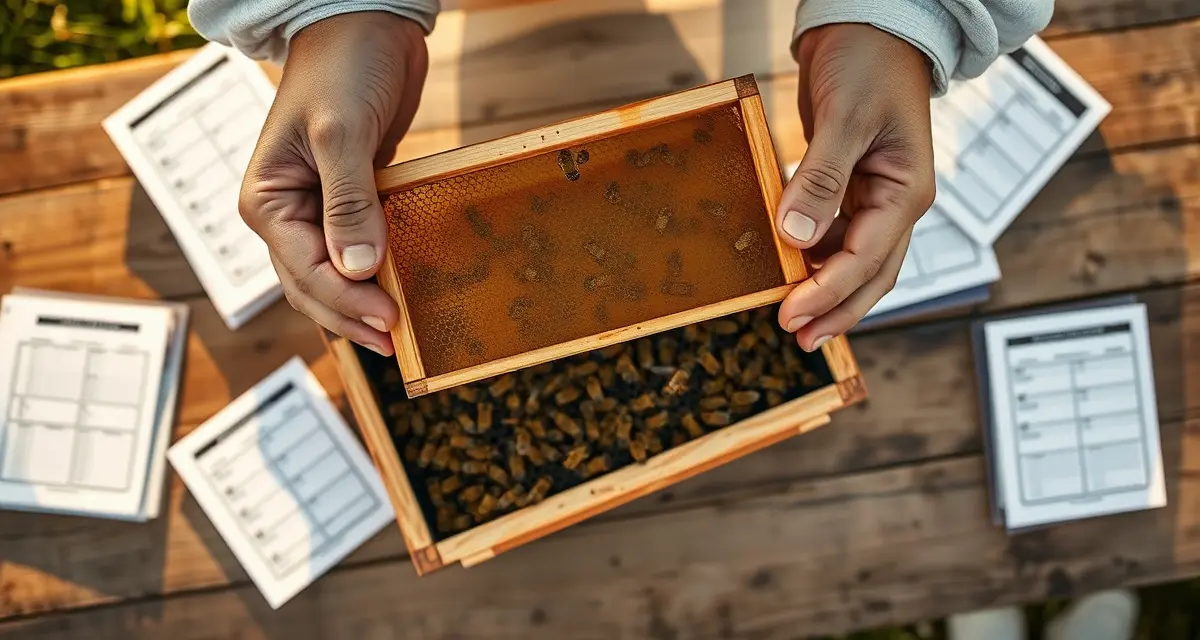
Free Varroa Management Resources for Beekeepers: Guides, Templates, and Tools
Beekeepers who download a varroa management resource are 4x more likely to start a VarroaVault free trial within 30 days. We mention that not as a sales pitch but as a data point worth understanding: beekeepers who actively seek out management resources are exactly the beekeepers who benefit most from structured tracking tools. If you're here, you're already in that group.
These resources are free to download. No tricks, no gated content that requires a credit card. Some require an email address for download so we can follow up with seasonal reminders, but the resources themselves are free.
TL;DR
- This guide covers key aspects of free varroa management resources for beekeepers: guides, tem
- Mite monitoring should happen at minimum every 3-4 weeks during active season
- The 2% threshold in spring/summer and 1% in fall are standard action points based on HBHC guidelines
- Always run a pre-treatment and post-treatment mite count to calculate efficacy
- Treatment records including product name, EPA number, dates, and counts are required for state inspection compliance
- VarroaVault stores all monitoring and treatment data with automatic threshold comparison and state export formatting
Varroa Count Record Template
The simplest tool in the toolbox: a printable form for recording alcohol wash results in the field. Designed for 6x colony counts per page, with columns for date, hive ID, sample size, mite count, calculated percentage, and a notes field.
This template is the paper backup for beekeepers who want a physical record alongside their digital log, or for teaching new beekeepers to count before they set up a digital account. It's also useful for club monitoring events where you're counting for multiple beekeepers simultaneously.
Download includes: Single-page printable PDF, and a Google Sheets version you can copy and use digitally.
What it covers: All required fields for a complete monitoring record. The notes column is included because context matters -- "windy day, sample may be small" or "queen seen, active brood" changes how you interpret a count result.
For digital count logging that calculates your percentage automatically and stores your history in a trend graph, the mite count tracking app in VarroaVault replaces this template for ongoing monitoring.
Varroa Treatment Log Template
A legally useful treatment record includes 7 specific fields. This template formats those fields as a clean printable log that satisfies state inspection requirements in most states.
The 7 required fields:
- Date of treatment
- Product name
- EPA registration number
- Dose applied
- Colony ID
- Reason for treatment (count result that triggered it)
- PHI start date / super removal date
The template includes space for 12 treatment records per page -- roughly 2-3 seasons of treatment history for a small apiary on a single sheet.
Download includes: Printable PDF, Excel template, and Google Sheets version.
A pre-filled example record is shown at the top of the template so first-time users can see what complete entries look like. The varroa treatment log example page has a full walkthrough of a completed record.
Annual Varroa Treatment Calendar
A one-page calendar showing optimal monitoring months, treatment windows, PHI planning dates, and seasonal decision points for each US climate zone.
The calendar is organized by USDA hardiness zone (zones 3-10) so you can find your zone and follow the column that applies to your location. Each zone shows:
- First spring count month
- Pre-flow treatment deadline
- Mid-season monitoring check months
- fall treatment window (open and close dates)
- PHI calendar for pre-fall harvest
- Broodless period OA window
- Off-season monitoring requirements
Download includes: Printable PDF calendar, zone-by-zone breakdown, and a blank editable version to fill in your specific dates.
For a calendar that automatically adjusts to your specific ZIP code, the varroa mite treatment plan generator in VarroaVault generates a personalized version based on your exact location.
The Complete Varroa Management Guide
The most comprehensive free resource in our library. The complete guide covers every aspect of varroa management from biology through treatment selection, monitoring methods, threshold interpretation, resistance management, and seasonal calendar planning.
Topics covered:
- Varroa lifecycle and why it matters for treatment timing
- All 9 EPA-registered treatments with efficacy data
- Alcohol wash methodology step by step
- Threshold interpretation by season and colony size
- Fall treatment window: why it matters and how to hit it
- PHI planning for every product class
- Resistance management and rotation planning
- Record-keeping requirements by state category
- Setting up your annual monitoring calendar
The complete varroa management guide is the same guide available free from VarroaVault. It's written for all beekeeper levels, from first-season to experienced commercial operators.
Printable Treatment Decision Flowchart
A single-page flowchart that walks through the treatment selection decision. Start with your current hive conditions and follow the decision tree to the products that are appropriate for your situation right now.
The flowchart accounts for:
- Brood status (broodless vs. brood present)
- Honey super status
- Organic certification requirements
- Current temperature range
- Resistance history considerations
This is a laminated-and-hung-in-the-barn resource, not a once-a-season read.
Getting the Most From These Resources
These templates and guides are most effective when combined with a digital tracking system. Paper records provide a starting point, but they can't send you reminders, calculate PHI automatically, or surface the trend patterns that tell you when resistance may be developing.
The free 14-day VarroaVault trial includes full access to the digital versions of everything listed here, plus the treatment planner, threshold alerts, and trend visualization that paper templates can't replicate.
To start your trial after downloading resources, go to VarroaVault's free trial page. No credit card required for the trial period.
Frequently Asked Questions
What free varroa management resources does VarroaVault offer?
VarroaVault offers four core free downloads: the varroa count record template (printable field recording form), the varroa treatment log template (legally formatted 7-field treatment record), the annual varroa treatment calendar (zone-by-zone seasonal management dates), and the complete varroa management guide (comprehensive biology-to-treatment reference). All are available without a subscription. Some require an email address for download access so we can send seasonal reminder emails.
Can I download the varroa treatment log template for free?
Yes. The treatment log template is available as a free PDF download, as well as in Excel and Google Sheets formats. It includes all 7 required fields for a legally useful treatment record (date, product name, EPA registration number, dose, colony ID, reason for treatment, PHI start date). A pre-filled example record is included at the top of the template so you can see what a complete entry looks like before filling in your own.
How do I start a VarroaVault free trial after downloading resources?
After downloading any of the free resources, you'll receive an email with a link to start your 14-day free trial. The trial includes full Professional plan access -- all monitoring features, treatment logging, PHI tracking, trend graphs, and compliance exports. No credit card is required to start. If you choose not to continue after 14 days, your data is retained for 90 days in case you change your mind.
How do I know if my varroa treatment is working?
Run a mite count 2-4 weeks after the treatment ends and compare it to your pre-treatment count. The efficacy formula is: ((pre-count - post-count) / pre-count) x 100. A result above 90% indicates effective treatment. Results below 80% should trigger investigation for possible resistance, application error, or reinfestation. Log both counts in VarroaVault to track efficacy trends across treatment cycles.
How often should I check mite levels in my hives?
At minimum, once per month (every 3-4 weeks) during the active season. Increase to every 2 weeks when counts are near threshold or after a treatment to verify it worked. In fall, monitoring frequency matters most because the window to treat before winter bees are raised is narrow. VarroaVault's monitoring reminders can be set to your preferred interval for each apiary.
What records should I keep for varroa management?
Each record should include: date of count or treatment, hive identifier, monitoring method used, number of bees sampled, mites counted, infestation percentage, treatment product name and EPA registration number, dose applied, treatment start and end dates, and PHI end date. State apiarists typically expect this level of detail during inspections. VarroaVault captures all of these fields in a single log entry.
What is Free Varroa Management Resources for Beekeepers: Guides, Templates, and Tools?
Free Varroa Management Resources for Beekeepers is a collection of downloadable guides, printable templates, and practical tools designed to help beekeepers monitor and manage varroa mite infestations. It includes count record sheets, treatment tracking forms, and reference guides built around HBHC threshold guidelines. Resources cover the full management cycle from monitoring to treatment and post-treatment efficacy calculation.
How much does Free Varroa Management Resources for Beekeepers: Guides, Templates, and Tools cost?
All resources are completely free to download. Some items require an email address so VarroaVault can send seasonal reminders, but no credit card or paid subscription is needed. The collection is provided as a public service for the beekeeping community, with no hidden fees or paywalled content.
How does Free Varroa Management Resources for Beekeepers: Guides, Templates, and Tools work?
Beekeepers download the templates and guides, then use them during hive inspections to record alcohol wash results, track treatment dates and products, and calculate mite wash efficacy. The printable count sheets hold 6 colony records per page. Treatment logs capture the product name, EPA registration number, application dates, and pre/post mite counts required for state inspection compliance.
What are the benefits of Free Varroa Management Resources for Beekeepers: Guides, Templates, and Tools?
Using structured varroa management resources helps beekeepers catch dangerous mite loads before colonies collapse. Standardized templates ensure consistent data collection, making it easier to spot trends, hit the 2% spring/summer and 1% fall action thresholds, and demonstrate compliance during state inspections. Beekeepers who actively track mite data are significantly better positioned to act early and save colonies.
Who needs Free Varroa Management Resources for Beekeepers: Guides, Templates, and Tools?
Any beekeeper managing one or more hives benefits from these resources, but they are especially valuable for new beekeepers building monitoring habits, hobbyists preparing for state inspections, and small commercial operations standardizing records across multiple colonies. If you are already testing for varroa regularly or want to start, these tools give you a practical framework to do it consistently.
Sources
- American Beekeeping Federation (ABF)
- USDA ARS Bee Research Laboratory
- Honey Bee Health Coalition
- Penn State Extension Apiculture Program
- Project Apis m.
Get Started with VarroaVault
The information in this guide is most useful when you have your own mite count data to apply it to. VarroaVault stores every count, flags threshold crossings automatically, and builds the treatment history you need for state inspections and effective management decisions. See pricing and free tools at varroavault.com.