Varroa and Nosema: Dual Stress on Winter Bees
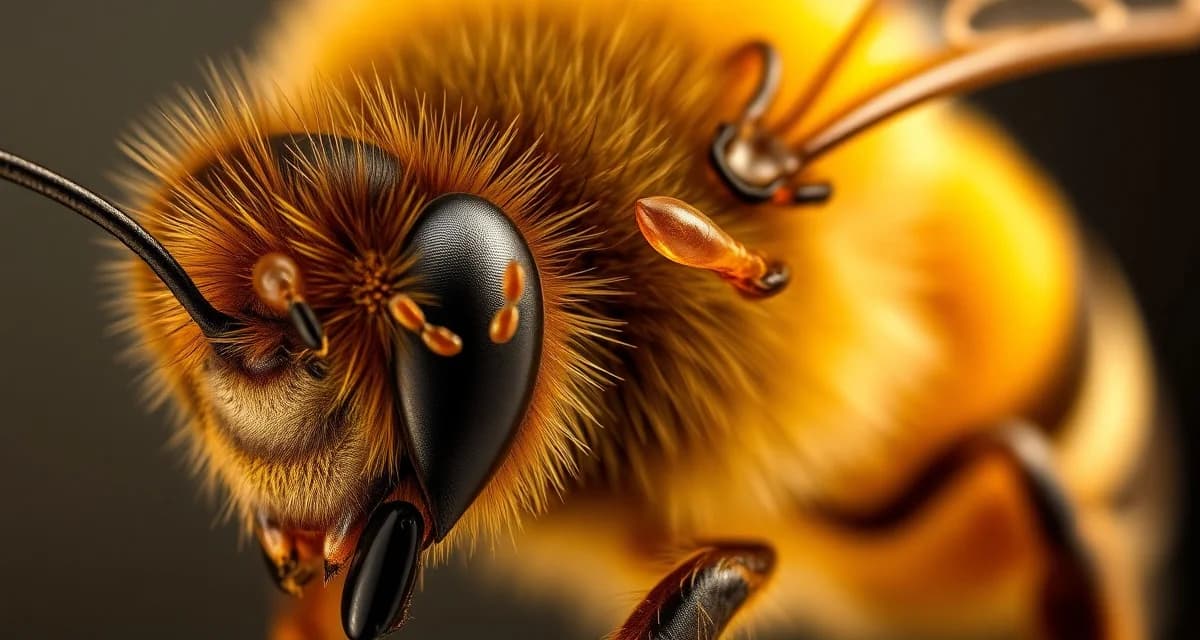
Winter bees with both high varroa loads and nosema have dramatically reduced lifespans. That compressed lifespan is the core of the problem. Winter bees are supposed to live months: they are the "fat body bees" that bridge the colony from fall to spring. When varroa and nosema attack simultaneously, those bees may live weeks instead.
Varroa nosema interaction in winter colonies is a double-hit problem that beekeepers often don't diagnose correctly. They see spring dwindling, blame winter losses on the cold, and miss that the real killer was a dual infection that depleted their winter bee population long before spring arrived.
No competitor tracks dual-pathogen risk or helps beekeepers prioritize when both varroa and nosema are present. VarroaVault's health dashboard flags concurrent varroa and nosema risk factors for winter colonies.
TL;DR
- Nosema and varroa are distinct pathogens that frequently co-occur in weakened colonies
- Varroa-induced immune suppression can make colonies more susceptible to Nosema ceranae infections
- Nosema spores spread through contaminated comb; varroa spreads through bee-to-bee contact and robbing
- Treating varroa alone does not resolve a Nosema infection; both require separate diagnostic approaches
- Track unusual bee behavior, spring dwindling, and treatment outcomes in the same hive record to identify co-infections
- VarroaVault's hive health log supports notes on multiple health issues per inspection event
What Is Nosema Ceranae?
Nosema ceranae is a microsporidian fungal parasite (formerly classified as a protozoan) that infects the midgut epithelial cells of adult honey bees. It is now the dominant nosema species in most of the world, having largely displaced the older species Nosema apis in honey bee populations.
Unlike N. apis, which caused classic spring dwindling with visible dysentery symptoms, N. ceranae infection is more subtle. You often won't see diarrhea or dysentery on your landing boards. Infected bees simply have reduced energy, shortened lifespans, and impaired immune function. They die quietly, away from the hive.
For winter colonies, this subtlety is dangerous. The colony appears to be maintaining through winter, then collapses suddenly in late February or March, or simply fails to build up in spring despite surviving the cold.
How Varroa and Nosema Interact
The interaction between varroa and nosema is additive at minimum and potentially synergistic. They work through different mechanisms but both target winter bee survival.
Varroa's mechanism: Varroa feeding on developing pupae damages the fat body, the energy and protein storage organ that winter bees require for their extended lifespan. Bees with varroa-damaged fat bodies are metabolically compromised before they even emerge. Viral infections transmitted by varroa (particularly DWV) further reduce winter bee quality.
Nosema's mechanism: Nosema ceranae infection damages midgut cells and impairs nutrient absorption. Infected bees cannot efficiently process the protein resources they need to maintain fat body reserves through winter. They also have compromised immune function and reduced colony-maintenance behaviors.
Combined effect: A winter bee with varroa-damaged fat body from its larval development and nosema infection in its adult midgut is being hit from both ends. Its energy reserves are reduced from development and being depleted through inability to absorb nutrients. Lifespan collapses. The colony loses winter bees faster than a normal winter would account for.
How to Diagnose Both Problems
Diagnosing Varroa
Standard alcohol wash or sugar roll mite count. Your fall count in August-September tells you what your winter bees are developing under. A fall count above 2% means many of your winter bees are already compromised before winter begins.
VarroaVault tracks this as your "winter bee risk window": the period when mite loads translate directly into winter bee quality.
Diagnosing Nosema
Nosema diagnosis requires microscopy. There is no field test for nosema comparable to an alcohol wash for varroa. You need to:
- Collect 30-60 forager or returning bees
- Grind the abdomens in a small amount of water
- Examine the solution under a microscope (400x magnification)
- Look for nosema spores, oval, refractile structures
Spore counts above 1 million per bee are considered indicative of clinically notable infection. Below this level, colonies typically manage nosema without overt impact.
Commercial nosema diagnosis is also available through university extension labs and some commercial bee labs. Send a sample if you lack microscopy capability.
When to Suspect Dual Infection
Suspect concurrent varroa and nosema when you see:
- Fall mite counts above 2% combined with unexplained spring losses
- Colonies that survived winter but failed to build in spring
- Spring dwindling without obvious signs of starvation or cold damage
- High rates of adult bee loss in late winter without deformed wing virus symptoms
Should You Treat for Nosema or Varroa First?
Varroa first. Almost always.
Varroa treatment in fall protects the quality of winter bees before they're born. Even if nosema is present, a colony with healthy, well-developed winter bees has much better capacity to survive nosema infection than one with varroa-damaged bees.
The one exception: if you have laboratory-confirmed high nosema spore loads in late summer, treating both simultaneously is reasonable. Fumagillin is no longer approved in the US for nosema treatment. Current management options in the US include:
- Thymol-based products have some evidence of nosema suppression as a secondary effect
- Essential oil-based treatments (not consistently effective)
- Maintaining strong colony nutrition, well-fed bees tolerate nosema better
- Replacing old comb where nosema spores accumulate
The honest answer is that nosema management options in the US are limited following fumagillin's removal from the market. Varroa management, which is highly actionable, gets priority.
Winter Preparation: Getting Both Risks Down
Going into winter with both risks managed looks like:
August-September: Varroa treatment to protect winter bee cohort. This is your primary intervention.
Fall feeding: Strong sugar syrup or fondant feeding supports fat body development in winter bees. Well-nourished bees tolerate nosema better and handle varroa damage better.
Old comb management: Nosema spores accumulate in comb over years. Rotating old dark comb out of the brood nest and replacing with fresh comb reduces the spore reservoir in the hive environment.
Fall mite count confirmation: A post-treatment count in October confirms your fall treatment worked. Colonies going into winter above 1% need additional intervention.
FAQ
How do varroa and nosema interact in winter colonies?
Both varroa and nosema target the energy reserves and lifespan of winter bees, but through different mechanisms. Varroa damages fat body development during the pupal stage. Nosema disrupts nutrient absorption in adult bees. Together, they compress winter bee lifespan from months to weeks, depleting the colony's bridge-to-spring population faster than normal winter would account for.
Should I treat for nosema or varroa first?
Treat varroa first. Protecting winter bee quality in fall is the most impactful single intervention you can make. Varroa treatment in August-September acts before winter bees are even born, protecting their fat body development from mite feeding. Nosema management in the US is more limited, and the best defense against nosema's impact is strong, well-developed winter bees, which varroa treatment helps produce.
How do I know if my colony has both varroa and nosema?
Varroa is confirmed by alcohol wash mite count. Nosema requires microscopic examination of bee abdomens, there's no field test. Suspect dual infection when colonies had high fall mite loads and show spring dwindling or failure to build despite surviving winter. Send bee samples to a university extension lab or commercial bee health lab for nosema spore counting if microscopy isn't available.
How do I know if my varroa treatment is working?
Run a mite count 2-4 weeks after the treatment ends and compare it to your pre-treatment count. The efficacy formula is: ((pre-count - post-count) / pre-count) x 100. A result above 90% indicates effective treatment. Results below 80% should trigger investigation for possible resistance, application error, or reinfestation. Log both counts in VarroaVault to track efficacy trends across treatment cycles.
How often should I check mite levels in my hives?
At minimum, once per month (every 3-4 weeks) during the active season. Increase to every 2 weeks when counts are near threshold or after a treatment to verify it worked. In fall, monitoring frequency matters most because the window to treat before winter bees are raised is narrow. VarroaVault's monitoring reminders can be set to your preferred interval for each apiary.
What records should I keep for varroa management?
Each record should include: date of count or treatment, hive identifier, monitoring method used, number of bees sampled, mites counted, infestation percentage, treatment product name and EPA registration number, dose applied, treatment start and end dates, and PHI end date. State apiarists typically expect this level of detail during inspections. VarroaVault captures all of these fields in a single log entry.
What is Varroa and Nosema: Dual Stress on Winter Bees?
Varroa and Nosema: Dual Stress on Winter Bees refers to the compounding damage caused when a colony faces both varroa mite infestation and nosema infection simultaneously during winter. Winter bees are long-lived fat-body bees critical for colony survival until spring. When both pathogens attack at once, varroa suppresses immunity while nosema disrupts digestion, dramatically shortening bee lifespans from months to weeks. This dual stress is a leading cause of spring dwindling that beekeepers often misattribute to cold weather.
How much does Varroa and Nosema: Dual Stress on Winter Bees cost?
VarroaVault's educational content on varroa and nosema dual stress is free to access. The platform's health dashboard, which flags concurrent varroa and nosema risk factors for winter colonies, is available as part of VarroaVault's monitoring tools. Visit VarroaVault.com to explore available features and any associated subscription options for advanced colony tracking.
Sources
- American Beekeeping Federation (ABF)
- USDA ARS Bee Research Laboratory
- Honey Bee Health Coalition
- Penn State Extension Apiculture Program
- Project Apis m.
Protect Your Winter Bees From Both Ends
The colonies that survive winter are built in fall. Learn more about the varroa-DWV connection to understand the viral component of varroa damage, and review the winter varroa treatment program for your complete winter preparation strategy.
VarroaVault's dual-risk health dashboard keeps both varroa and nosema risk factors visible for your winter colonies, so you don't miss a dual-infection risk heading into your most vulnerable season.
Get Started with VarroaVault
The information in this guide is most useful when you have your own mite count data to apply it to. VarroaVault stores every count, flags threshold crossings automatically, and builds the treatment history you need for state inspections and effective management decisions. See pricing and free tools at varroavault.com.