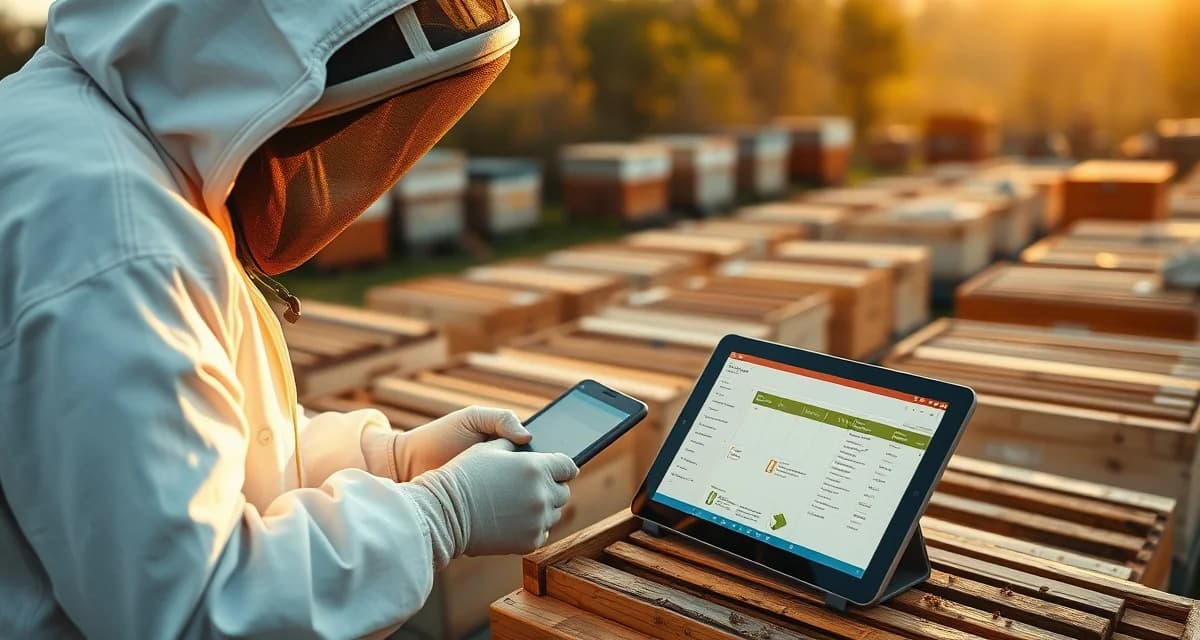
Varroa Treatment Workflow for a 50-Hive Apiary: Efficient Protocols
Beekeepers with 50+ hives who use batch logging spend 80% less time on data entry versus individual hive logging. At 50 hives, time is the resource that determines whether your management program actually gets executed. If logging treatments takes two hours after every treatment day, it eventually stops happening.
This guide covers how to organize a 50-hive treatment day from start to finish: product calculation, crew workflow, apiary sequencing, and batch logging in VarroaVault.
TL;DR
- This guide covers key aspects of varroa treatment workflow for a 50-hive apiary: efficient pr
- Mite monitoring should happen at minimum every 3-4 weeks during active season
- The 2% threshold in spring/summer and 1% in fall are standard action points based on HBHC guidelines
- Always run a pre-treatment and post-treatment mite count to calculate efficacy
- Treatment records including product name, EPA number, dates, and counts are required for state inspection compliance
- VarroaVault stores all monitoring and treatment data with automatic threshold comparison and state export formatting
Pre-Treatment Planning: The Week Before
A treatment day goes wrong when you show up at the apiary and discover you're short on product, the temperature is outside the window, or you can't remember which hives were treated last time.
Product calculation for 50 hives:
For Apivar (amitraz): 2 strips per hive, 100 strips total. At current pricing, budget $400-500 for a single treatment event across 50 hives.
For OA vaporization: 1g OA per brood box. For 50 hives averaging 2 brood boxes, that's 100g Api-Bioxal, or 3 packets of the 35g size. Cost: approximately $35-45 for product.
For MAQS or Formic Pro (formic acid): 2 pads per hive for MAQS, 100 total. Check temperature forecast before ordering. If you're outside the 50-85°F window, don't schedule the treatment.
For Apiguard (thymol): 1 tray per hive for first dose, 50 trays. Second dose in 2 weeks requires another 50 trays. Confirm temperature stays above 59°F for the 4-week treatment period.
Pre-treatment checklist for 50 hives:
- [ ] Check 7-day temperature forecast against product requirements
- [ ] Calculate product quantities and confirm you have stock
- [ ] Verify which hives need treatment (run count review in VarroaVault)
- [ ] Prepare equipment: tools, PPE, application gear
- [ ] Set up VarroaVault batch treatment entry in advance
Organizing the Treatment Day
For 50 hives, you need a systematic workflow that keeps you moving without losing track of where you are. The two biggest time wasters on treatment day are: searching for the next hive to do, and remembering which ones you've already done.
Hive numbering and sequencing: If your hives aren't numbered, number them before treatment day. Permanent marker on the landing board works. Treat in numerical sequence and check each one off as you go. VarroaVault's hive list displays in the order you set up your apiary, so it mirrors your physical sequence if you set it up that way.
Single-person workflow (50 hives alone):
- Prepare all materials at a central station
- Work through hives in sequence, opening and treating one at a time
- Keep a physical tally sheet as a backup to the app
- Aim for 4-6 minutes per hive for inspection + treatment + logging
- A 50-hive treatment day should take 4-6 hours including setup and cleanup
Two-person workflow:
- Person 1 opens hives, applies treatment
- Person 2 logs each hive in VarroaVault as treatment is applied
- Reduces time per hive to 2-3 minutes
- 50 hives: 2.5-3 hours including breaks
Using VarroaVault Batch Treatment Log
VarroaVault's batch treatment log accepts treatment parameters for up to 50 hives in a single entry workflow. Here's how to use it:
- Go to Apiary > Batch Treatment in VarroaVault.
- Select the apiary (or choose all apiaries if treating multiple sites).
- Set the treatment details: product name, dose, date, application method, applicator name.
- Select the hives included in this treatment (you can select all or exclude specific hives).
- Add any notes that apply to the whole batch (temperature at time of application, weather conditions, etc.).
- Submit. VarroaVault logs the treatment against each selected hive simultaneously.
For hive-specific exceptions (a hive that was skipped because the queen was just introduced, for example), you can edit individual records after the batch entry is complete.
This takes roughly 5 minutes to log 50 treatments. Versus logging each hive individually at 2 minutes each, that's 100 minutes saved per treatment event.
Treatment Day Schedule Template
6:30 AM: Load truck with product, tools, PPE
7:00 AM: Arrive at apiary, set up treatment station
7:15 AM: Begin treating, starting at Hive 1
10:30 AM: Treatment complete (50 hives at ~4 min each + breaks)
11:00 AM: Batch log in VarroaVault, set up reminder for post-treatment count
11:15 AM: Drive home
Compare this to a disorganized approach where you spend time searching for equipment, lose track of which hives are done, and then spend an hour logging individually that evening. The same work takes 6+ hours instead of 4.
Post-Treatment Follow-Up
After logging the batch treatment in VarroaVault, immediately set your follow-up count reminder. For Apivar, you'll want a count at day 42 to confirm the strips are working. For OA vaporization extended protocol, your next vaporization is due in 5-7 days.
VarroaVault's batch treatment log automatically schedules the appropriate follow-up reminder based on the product you logged. For a 50-hive Apivar application logged today, you'll get a reminder to do your post-treatment mite count in 42 days and a strip removal reminder at day 42-56.
Logging Treatments for Multiple Apiaries
If your 50 hives are split across two or three locations, the batch log lets you treat each apiary separately and log them in sequence. You can run a single combined report later showing all treatments across all apiaries for record-keeping and inspection purposes.
Frequently Asked Questions
How do I log treatments for a 50-hive apiary efficiently?
Use VarroaVault's batch treatment log, which lets you enter the product, dose, date, and applicator once and apply it to all selected hives simultaneously. A 50-hive treatment batch takes about 5 minutes to log, versus 100+ minutes if logged individually.
Can VarroaVault batch-log treatments for an entire apiary?
Yes. The batch treatment entry in VarroaVault accepts up to 50 hives in a single workflow. You set the treatment parameters once and select which hives it applies to. Hive-specific exceptions can be edited individually after the batch entry.
How do I organize a treatment day for 50 hives?
Work in numerical sequence through your hives, use a second person to log in VarroaVault while you treat, and batch-enter any remaining records at the end of the day. Pre-calculate product quantities the week before so you're not short. A well-organized 50-hive treatment day with two people takes about 3 hours from setup to cleanup.
How do I know if my varroa treatment is working?
Run a mite count 2-4 weeks after the treatment ends and compare it to your pre-treatment count. The efficacy formula is: ((pre-count - post-count) / pre-count) x 100. A result above 90% indicates effective treatment. Results below 80% should trigger investigation for possible resistance, application error, or reinfestation. Log both counts in VarroaVault to track efficacy trends across treatment cycles.
How often should I check mite levels in my hives?
At minimum, once per month (every 3-4 weeks) during the active season. Increase to every 2 weeks when counts are near threshold or after a treatment to verify it worked. In fall, monitoring frequency matters most because the window to treat before winter bees are raised is narrow. VarroaVault's monitoring reminders can be set to your preferred interval for each apiary.
What records should I keep for varroa management?
Each record should include: date of count or treatment, hive identifier, monitoring method used, number of bees sampled, mites counted, infestation percentage, treatment product name and EPA registration number, dose applied, treatment start and end dates, and PHI end date. State apiarists typically expect this level of detail during inspections. VarroaVault captures all of these fields in a single log entry.
What is Varroa Treatment Workflow for a 50-Hive Apiary: Efficient Protocols?
A varroa treatment workflow for a 50-hive apiary is a structured system for planning, executing, and logging mite treatments across a large operation. It covers product calculation, crew coordination, apiary sequencing, and batch data entry. Rather than managing each hive individually, beekeepers group hives into treatment batches, reducing data entry time by up to 80%. Tools like VarroaVault support this workflow with threshold alerts, automatic compliance formatting, and treatment record storage built for operations at this scale.
How much does Varroa Treatment Workflow for a 50-Hive Apiary: Efficient Protocols cost?
VarroaVault's batch logging and treatment tracking features are included within the platform's subscription tiers—specific pricing is available on the VarroaVault website. The workflow protocols described in this guide (mite monitoring schedules, threshold benchmarks, crew sequencing) are free knowledge any beekeeper can apply. The main costs for a 50-hive operation are varroa treatments themselves, which vary by product, and any labor involved in executing treatment days efficiently across the apiary.
How does Varroa Treatment Workflow for a 50-Hive Apiary: Efficient Protocols work?
The workflow starts the week before treatment day with product calculation, temperature window checks, and crew briefing. On treatment day, hives are worked in batches with standardized application steps per product. Mite counts are taken before and after treatment to calculate efficacy. All data—product name, EPA registration number, application dates, and mite counts—is logged in batch rather than hive by hive. VarroaVault automates threshold comparisons and formats records for state inspection compliance.
What are the benefits of Varroa Treatment Workflow for a 50-Hive Apiary: Efficient Protocols?
The core benefit is time recovery. At 50 hives, individual logging after every treatment day becomes unsustainable and eventually stops happening. Batch workflows reduce post-treatment data entry from hours to minutes. Pre-planning eliminates day-of surprises like product shortages or temperature mismatches. Consistent pre- and post-treatment mite counts give you real efficacy data rather than assumptions. Structured records keep you compliant with state inspection requirements without last-minute scrambling.
Who needs Varroa Treatment Workflow for a 50-Hive Apiary: Efficient Protocols?
Any beekeeper managing 50 or more hives who runs active varroa treatment programs. This includes sideliners scaling past hobbyist methods, commercial operations standardizing crew workflows, and any apiarist subject to state inspection requirements. If mite monitoring happens less than every 3-4 weeks, treatment records are incomplete, or post-treatment efficacy is never measured, this workflow directly addresses those gaps. It's also relevant to beekeepers hiring seasonal labor who need repeatable, crew-executable protocols.
Related Articles
Sources
- American Beekeeping Federation (ABF)
- USDA ARS Bee Research Laboratory
- Honey Bee Health Coalition
- Penn State Extension Apiculture Program
- Project Apis m.
Get Started with VarroaVault
The information in this guide is most useful when you have your own mite count data to apply it to. VarroaVault stores every count, flags threshold crossings automatically, and builds the treatment history you need for state inspections and effective management decisions. See pricing and free tools at varroavault.com.