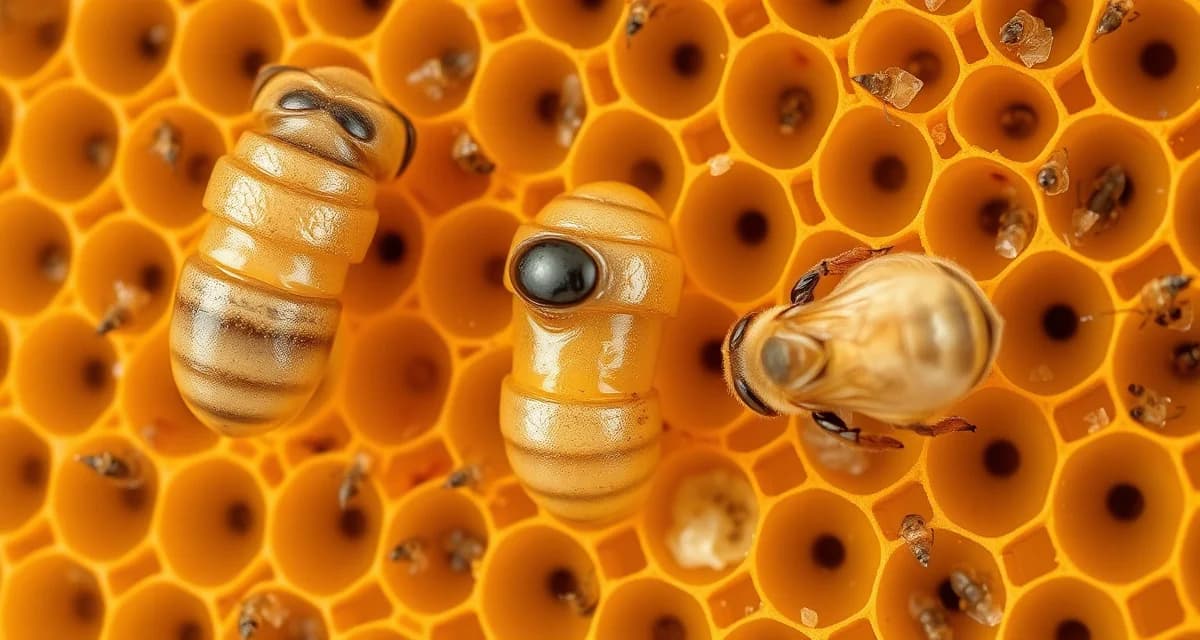
Sacbrood vs Varroa Damage: How to Tell the Difference
Misdiagnosis of sacbrood as varroa delays treatment while true varroa loads continue rising. This is not a small risk. Two weeks of uncertainty while you try to figure out which problem you're looking at is two weeks of mite population growth. In a summer colony, that can mean the difference between a treatable situation and a crisis.
Sacbrood vs varroa damage is a real diagnostic challenge because both affect brood and both can produce spotty, irregular brood patterns. But the specifics are very different, and knowing what to look for carefully separates a quick accurate diagnosis from weeks of guessing.
No beekeeping app includes diagnostic guidance to differentiate sacbrood from varroa brood damage. VarroaVault's inspection module includes guided brood health checklists to differentiate varroa from sacbrood, walking you through what to look for rather than leaving you to sort it out from memory.
TL;DR
- Sacbrood is a viral disease of honey bee brood that can be confused with varroa-damaged brood
- The key distinction: sacbrood larvae dry to a flat dark scale with a gondola shape; varroa damage shows different patterns
- Varroa mites vector sacbrood virus and amplify its spread within colonies under mite pressure
- Sacbrood often clears on its own as colonies strengthen; varroa-transmitted sacbrood is more persistent
- High mite loads consistently correlate with higher sacbrood prevalence in affected apiaries
- Track both sacbrood observations and mite counts in VarroaVault to correlate virus with mite pressure
What Is Sacbrood?
Sacbrood is a viral disease caused by Sacbrood virus (SBV), a positive-sense RNA virus. It affects honey bee larvae in their final larval instar, typically larvae that have just been capped. The virus prevents the larva from completing its final molt from larva to prepupa.
The result is a larva that dies in its cell in a distinctive posture and appearance. It is not caused by varroa directly, though varroa-weakened colonies may be more susceptible to clinical sacbrood because reduced hygienic behavior allows more infected larvae to progress to visible disease.
Visual Identification: Sacbrood
The Signature Appearance
Sacbrood-affected larvae are usually visible in cells that have been uncapped by nurse bees attempting to remove the dead brood. The dead larva has distinctive features:
Sac-like appearance: The body of the dead larva contains a watery fluid trapped beneath the old larval skin. This creates a visible "sac" that gives the disease its name. If you remove the larva from the cell with tweezers, it often comes out as an intact fluid-filled sac.
Color progression: Affected larvae progress from white to yellow-tan to brown-black as they dry. Fresh sacbrood cases appear pale yellow with the sac fluid visible. Older cases dry to a dark brown "gondola-shaped" scale that lies along the bottom of the cell.
Head-up posture: The classic sacbrood larva lies in the cell with its head slightly elevated, raised toward the cell cap. This is distinct from the C-curl position of a healthy larva.
Distinctive scale: When dried, sacbrood scale is removable from the cell (it doesn't stick like AFB scale). The dried larva has a characteristic ribbed, slightly granular texture.
Distribution in the Hive
Sacbrood damage is typically scattered, individual cells here and there, not large contiguous patches. A spotty brood pattern with sacbrood-affected larvae distributed randomly across a frame suggests sacbrood as the primary cause. Most cases are mild and self-limiting. Severe sacbrood epidemics do occur but are less common than mild chronic cases.
Visual Identification: Varroa Brood Damage
The Core Distinction
Varroa damage in brood doesn't produce the same type of larval body change that sacbrood does. Varroa-associated brood problems are more diffuse and produce different visual patterns.
What varroa brood damage looks like:
Sunken, discolored cappings: Some varroa-infested cells have cappings that have been nibbled or fully removed by hygienic bees. These appear sunken, perforated, or partially open.
Mites visible in cells: If you uncap a cell you suspect is varroa-infested, you may see the reddish-brown adult varroa mite, daughter mites (smaller, white/translucent), or egg/immature stages on the pupa or cell walls. This is definitive.
Pale or underdeveloped pupae: Pupae in heavily infested cells may appear pale, moist, or underdeveloped compared to healthy pupae.
Deformed wing bees at emergence: Bees with crumpled, shortened wings at the entrance or in the hive are DWV-infected, indicative of high mite loads affecting the development of multiple bees.
Spotty brood from hygienic removal: When hygienic bees detect and remove varroa-infested brood, the pattern looks like scattered empty cells similar to sacbrood. The difference is what's left in the cell, sacbrood leaves a distinctive dried larva; varroa removal leaves an empty, clean cell.
Differentiating Side-by-Side
| Feature | Sacbrood | Varroa Damage |
|---------|----------|---------------|
| Dead larva visible | Yes, pale yellow to dark scale | Rarely, hygienic bees remove |
| Larva appearance | Sac-like, fluid-filled, head-up | Pale, underdeveloped pupa (if present) |
| Scale removable | Yes, not sticky | N/A |
| Mites visible | No | Yes, red-brown adult, white immatures |
| Deformed wing bees | No | Yes (with high mite loads) |
| Mite count | Normal | Elevated (>1-3%) |
| Brood pattern | Scattered empty/abnormal cells | Scattered empty cells + abnormal cappings |
| Cell cap condition | Often removed by bees | Sunken, perforated, or partially open |
Does Sacbrood Occur Alongside Varroa?
Yes. And this is where diagnosis gets complicated. A colony with high varroa loads may also have clinical sacbrood because varroa-reduced hygienic behavior allows infected larvae to progress further before removal. You can be looking at both problems simultaneously.
In that case, the priority is still varroa. A colony with both conditions needs its mite load treated regardless. Sacbrood is self-limiting in most cases. If the colony recovers strength through varroa treatment, sacbrood typically resolves without further intervention. If sacbrood is severe and persistent despite low mite loads, requeening with a hygienic queen line often resolves it.
Confirmation: The Alcohol Wash Test
When you're uncertain whether you're looking at varroa-related brood problems or sacbrood, an alcohol wash removes the guesswork. If your mite count comes back at 3% or above, varroa is your primary management issue regardless of what else is happening in the brood. If your count is below 1%, sacbrood becomes the more likely primary diagnosis.
Never rely on brood appearance alone to make a treatment decision. Always confirm with a quantitative mite count.
FAQ
How do I tell sacbrood from varroa damage in brood?
Look for the distinctive sacbrood larva, a pale yellow to brown sac-like dead larva with a head-up posture, often visible in open cells. Varroa brood damage rarely leaves a distinctive larval body; it shows as empty cleaned cells, sunken cappings, and visible mites in uncapped cells. Deformed wing bees at the entrance confirm high mite loads. Always do an alcohol wash mite count to confirm, brood appearance alone is not enough.
Does sacbrood occur alongside varroa?
Yes. Varroa-weakened colonies show reduced hygienic behavior, which can allow sacbrood to progress to visible stages that a healthy colony would prevent. Both conditions can be present simultaneously. If mite counts are elevated, treat varroa first, colony strength recovery often resolves sacbrood without additional intervention.
What does varroa-damaged brood look like vs sacbrood?
Varroa-damaged brood shows sunken or perforated cappings, scattered empty cells (from hygienic removal), pale underdeveloped pupae in uncapped cells, and, definitively, visible reddish-brown adult mites in suspect cells. Sacbrood shows distinctive pale yellow to brown sac-like dead larvae with a head-up posture and a dried scale in older cases. The sacbrood scale is removable from the cell; it doesn't stick.
How do I know if my varroa treatment is working?
Run a mite count 2-4 weeks after the treatment ends and compare it to your pre-treatment count. The efficacy formula is: ((pre-count - post-count) / pre-count) x 100. A result above 90% indicates effective treatment. Results below 80% should trigger investigation for possible resistance, application error, or reinfestation. Log both counts in VarroaVault to track efficacy trends across treatment cycles.
How often should I check mite levels in my hives?
At minimum, once per month (every 3-4 weeks) during the active season. Increase to every 2 weeks when counts are near threshold or after a treatment to verify it worked. In fall, monitoring frequency matters most because the window to treat before winter bees are raised is narrow. VarroaVault's monitoring reminders can be set to your preferred interval for each apiary.
What records should I keep for varroa management?
Each record should include: date of count or treatment, hive identifier, monitoring method used, number of bees sampled, mites counted, infestation percentage, treatment product name and EPA registration number, dose applied, treatment start and end dates, and PHI end date. State apiarists typically expect this level of detail during inspections. VarroaVault captures all of these fields in a single log entry.
What is Sacbrood vs Varroa Damage: How to Tell the Difference?
Sacbrood vs Varroa Damage: How to Tell the Difference is a diagnostic guide for beekeepers published on VarroaVault. It explains how to distinguish between sacbrood, a viral brood disease, and varroa mite damage, which can look similar in the hive. Both conditions produce spotty brood patterns, but key visual differences exist. The guide covers what to look for during inspections, including the gondola-shaped dried scale characteristic of sacbrood larvae, and explains how varroa mites can amplify sacbrood spread, making accurate diagnosis critical for timely treatment.
How much does Sacbrood vs Varroa Damage: How to Tell the Difference cost?
The article Sacbrood vs Varroa Damage: How to Tell the Difference is free to read on VarroaVault. VarroaVault also offers an inspection module with guided brood health checklists that walk beekeepers through differentiating varroa damage from sacbrood step by step during hive inspections. This tool is part of VarroaVault's broader varroa management platform. Visit VarroaVault.com for current pricing and plan details for the inspection and diagnostic features.
Sources
- American Beekeeping Federation (ABF)
- USDA ARS Bee Research Laboratory
- Honey Bee Health Coalition
- Penn State Extension Apiculture Program
- Project Apis m.
Diagnose Accurately, Treat Confidently
Get the diagnosis right before you treat. Learn more about varroa and deformed wing virus for the viral picture that accompanies high mite loads, and review the [varroa mite lifecycle guide](/varroa-mite-lifecycle-and-reproduction) to understand what you're looking for when you uncap suspect cells.
VarroaVault's brood health inspection checklist walks you through the diagnostic questions in a structured format, so you don't have to rely on memory in the field.
Get Started with VarroaVault
The information in this guide is most useful when you have your own mite count data to apply it to. VarroaVault stores every count, flags threshold crossings automatically, and builds the treatment history you need for state inspections and effective management decisions. See pricing and free tools at varroavault.com.