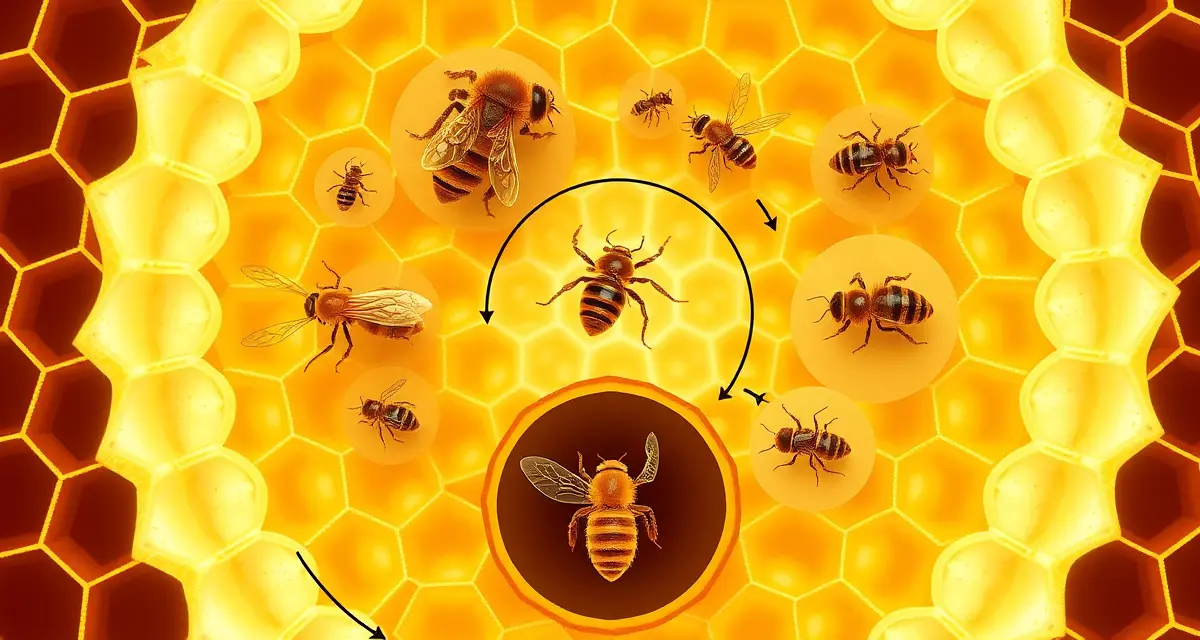
Varroa Mite Life Cycle: From Egg to Reproductive Adult in 10 Days
A female varroa mite enters a brood cell 15-20 hours before capping and begins laying eggs within 60 hours. Understanding the complete life cycle isn't just an academic exercise. It directly determines when your treatments will be most effective, why broodless periods matter so much for OA treatment, and why repeated vaporizations work better than a single application when brood is present.
TL;DR
- Varroa destructor reproduces exclusively in capped honey bee brood cells, preferring drone brood 8:1 over worker brood
- The mite's reproductive cycle is synchronized with the bee pupal stage: females enter cells just before capping
- A single founding female can produce 1-2 reproductive daughters per brood cycle when conditions are favorable
- Phoretic mites (those on adult bees) are the only life stage killed by most varroa treatments
- Understanding the lifecycle explains why treatments targeting only phoretic mites need multiple applications
- Mite populations can double every 4-6 weeks during peak brood rearing season
The Two Phases of Varroa Life
Varroa mites live in two distinct phases:
Phoretic phase: The mite is riding on an adult bee, feeding on fat body tissue. During this phase, the mite is not reproducing. It's traveling, feeding, and waiting for an opportunity to enter a brood cell. Phoretic mites are exposed and vulnerable to treatment. This is why broodless periods are so effective for OA treatment: all mites are phoretic.
Reproductive phase: The mite is inside a capped brood cell, reproducing. During this phase, the mite is protected from treatment. OA dribble or vaporization cannot penetrate capped cells. Mites in reproductive phase survive OA treatment and emerge from the cell after it's complete.
The ratio of phoretic to reproductive mites in a colony depends on the amount of brood present. A colony with full brood frames may have 70-80% of its mites in reproductive phase at any given time. A broodless colony has 100% phoretic mites.
Step-by-Step Reproduction Inside the Cell
Hours 0-20 (before capping): A female varroa mite enters a worker or drone brood cell while the larva is still in the final larval instar. She hides beneath the larval food for 15-20 hours before the bees cap the cell. The timing of cell entry is not random; mites respond to chemical cues from cells about to be capped.
Hours 20-60 (post-capping, before first egg): The capped cell provides a sealed environment for reproduction. The female mite (called the foundress) begins feeding on the developing pupa. Approximately 60 hours after capping, she lays her first egg.
First egg (unfertilized): The first egg laid is always unfertilized and develops into a male. Males are haploid and have a single function: mating with their sisters inside the same cell.
Subsequent eggs: After the first egg, the foundress lays additional eggs at approximately 30-hour intervals. These eggs are fertilized and develop into females. In a worker cell (21-day development), the foundress can typically lay 2-5 more eggs before the bee emerges. In a drone cell (24-day development), she can lay 3-6 more eggs.
Development of offspring: The eggs hatch into protonymph larvae that feed on the developing bee pupa (sharing the resource with their mother). They molt through successive stages (deutonymph, then adult) to reach reproductive maturity.
Mating inside the cell: The male mite mates with his sisters inside the sealed cell. In worker cells, timing is tight: male development takes about 7 days, female development 8-9 days, and the bee emerges on day 21. The male typically mates with all available sisters before the bee emerges, then dies in the cell.
Cell emergence: When the bee emerges, the foundress and all adult female offspring leave the cell on the emerging bee. The male and any immature stages remain in the cell and die.
Net reproduction per cycle: In a worker cell, approximately 1.3-1.5 new adult female mites are produced per reproductive cycle (accounting for unsuccessful cycles). In a drone cell, approximately 2-3 new females per cycle, which is why mites preferentially enter drone cells.
How the Life Cycle Informs Treatment Timing
Why broodless OA treatment works: All mites are phoretic during broodless periods. OA kills phoretic mites on contact. Three applications at 5-7 day intervals during a confirmed broodless period achieves near-complete kill.
Why repeated OA vaporizations work when brood is present: On day 1 of treatment, OA kills the phoretic mites. Mites in capped cells survive. Over the next 5-7 days, cells cap and uncap; some formerly-reproductive mites become phoretic. The next application catches those newly phoretic mites. Repeating every 5-7 days for 3-5 rounds progressively reduces the total mite population.
Why Apivar works in brood-present conditions: Amitraz in Apivar strips requires physical contact to work. Bees constantly move through the brood area and contact the strips. The 56-63 day treatment period means mites emerging from brood cells over that entire period will contact amitraz on adult bees or directly on the strips.
VarroaVault's lifecycle calendar overlay shows reproductive cycle phases relative to your treatment dates. When you log a treatment, the overlay indicates which phase of mite development is occurring during each week of your treatment window.
For treatment timing guidance based on the lifecycle, see our treatment threshold alerts feature. The varroa mite biology page covers biology beyond the reproductive cycle, including feeding mechanisms and virus transmission.
Frequently Asked Questions
How long does varroa mite reproduction take?
The complete reproductive cycle inside a worker brood cell takes approximately 14-16 days from when the foundress enters (15-20 hours before capping) to when the mature offspring emerge with the bee. In drone cells, with the 24-day development period, the cycle takes up to 18-20 days. The male mite lives and dies inside the cell; only females emerge.
How many offspring does one varroa mite produce per cycle?
In a worker cell, approximately 1.3-1.5 new adult female mites per reproductive cycle (net of unsuccessful cycles, male mites, and immature stages that don't complete development). In drone cells, approximately 2-3 new adult females per cycle, which explains the strong preference for drone brood. Over a season with multiple reproductive cycles, a single foundress can be responsible for dozens of reproductive-age offspring.
How does understanding the life cycle improve treatment timing?
Knowing that mites enter cells 15-20 hours before capping explains why a broodless window of 21+ days (one full worker brood cycle) is needed for maximum OA efficacy. Knowing that new phoretic mites emerge every few days as brood emerges explains why repeated OA vaporizations at 5-7 day intervals work better than a single application. Knowing that reproductive mites are invisible during treatment explains why post-treatment counts at 3-4 weeks are essential to verify full efficacy.
How do I know if my varroa treatment is working?
Run a mite count 2-4 weeks after the treatment ends and compare it to your pre-treatment count. The efficacy formula is: ((pre-count - post-count) / pre-count) x 100. A result above 90% indicates effective treatment. Results below 80% should trigger investigation for possible resistance, application error, or reinfestation. Log both counts in VarroaVault to track efficacy trends across treatment cycles.
How often should I check mite levels in my hives?
At minimum, once per month (every 3-4 weeks) during the active season. Increase to every 2 weeks when counts are near threshold or after a treatment to verify it worked. In fall, monitoring frequency matters most because the window to treat before winter bees are raised is narrow. VarroaVault's monitoring reminders can be set to your preferred interval for each apiary.
What records should I keep for varroa management?
Each record should include: date of count or treatment, hive identifier, monitoring method used, number of bees sampled, mites counted, infestation percentage, treatment product name and EPA registration number, dose applied, treatment start and end dates, and PHI end date. State apiarists typically expect this level of detail during inspections. VarroaVault captures all of these fields in a single log entry.
What is Varroa Mite Life Cycle: From Egg to Reproductive Adult in 10 Days?
The varroa mite life cycle describes how Varroa destructor reproduces inside honey bee brood cells. A founding female enters a cell 15-20 hours before capping, lays her first (unfertilized, male) egg within 60 hours, then continues laying fertilized female eggs. From egg to reproductive adult takes roughly 10 days, synchronized with the bee's pupal stage. Understanding this cycle is essential for timing treatments effectively and managing mite populations before they overwhelm a colony.
How much does Varroa Mite Life Cycle: From Egg to Reproductive Adult in 10 Days cost?
This article is free educational content on VarroaVault, a beekeeping resource dedicated to varroa management. There is no cost to read it. VarroaVault also offers a free varroa monitoring app trial for beekeepers who want to track mite loads and treatment timing. Effective varroa management does require investment in treatments like oxalic acid vaporizers, but the knowledge in this article helps you use those tools more efficiently and avoid costly colony losses.
How does Varroa Mite Life Cycle: From Egg to Reproductive Adult in 10 Days work?
Varroa mites operate in two phases: a phoretic phase on adult bees and a reproductive phase inside capped brood cells. The founding female enters a brood cell just before capping, feeds on the developing pupa, and lays eggs that hatch, mature, and mate before the bee emerges. Most treatments only kill phoretic mites on adult bees, which is why multiple applications are needed when brood is present—newly emerged mites reenter cells between treatments.
What are the benefits of Varroa Mite Life Cycle: From Egg to Reproductive Adult in 10 Days?
Understanding the varroa life cycle helps beekeepers treat smarter, not harder. It explains why broodless periods dramatically improve oxalic acid treatment effectiveness, why drone brood acts as a mite magnet and can be used as a trap, and why a single treatment during active brood rearing is rarely sufficient. This knowledge reduces guesswork, prevents overuse of chemicals, and directly improves colony survival rates through properly timed, evidence-based mite management strategies.
Who needs Varroa Mite Life Cycle: From Egg to Reproductive Adult in 10 Days?
Any beekeeper managing honey bee colonies needs to understand the varroa life cycle—from backyard hobbyists to commercial operations. It is especially critical for beekeepers who have experienced unexplained winter losses, are starting out and want to avoid common mistakes, or are transitioning to integrated pest management. If you use oxalic acid, thymol, or formic acid treatments, this knowledge ensures you apply them at the right time for maximum efficacy.
Related Articles
Sources
- American Beekeeping Federation (ABF)
- USDA ARS Bee Research Laboratory
- Honey Bee Health Coalition
- Penn State Extension Apiculture Program
- Project Apis m.
Get Started with VarroaVault
The information in this guide is most useful when you have your own mite count data to apply it to. VarroaVault stores every count, flags threshold crossings automatically, and builds the treatment history you need for state inspections and effective management decisions. See pricing and free tools at varroavault.com.