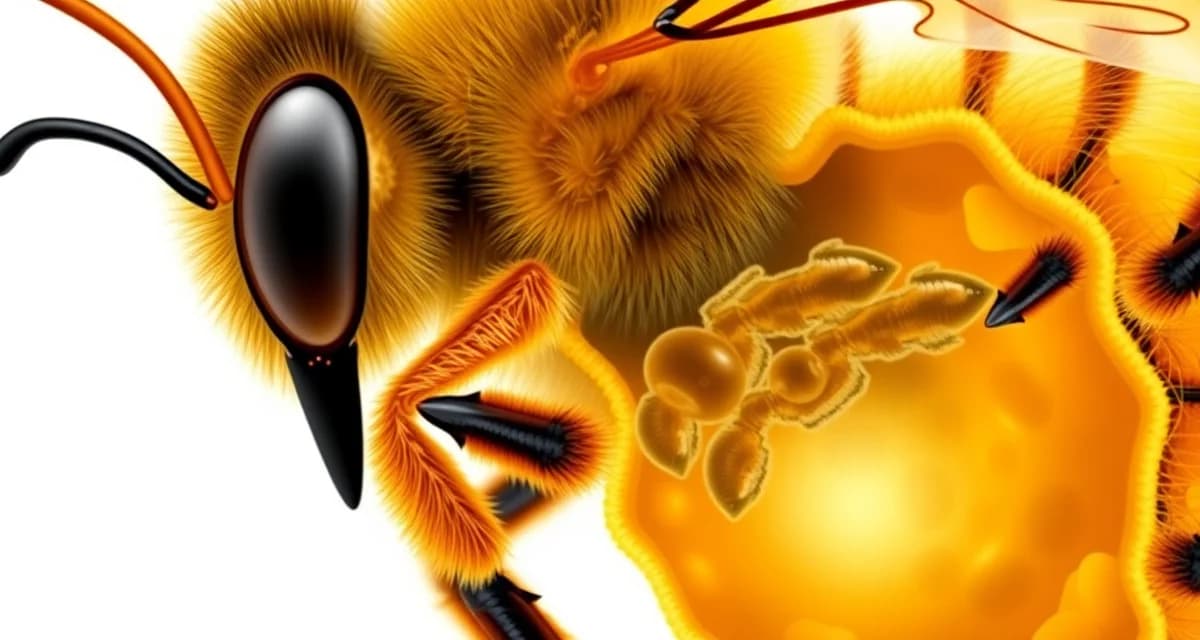
Varroa Mite Lifecycle and Reproduction: Phoretic and Reproductive Phases
Understanding how varroa mites live and reproduce is the foundation of effective management. Every treatment strategy, every timing decision, and every monitoring approach is designed around specific moments in the varroa life cycle. Beekeepers who understand why these interventions work will apply them more effectively than those following protocols they do not understand.
The Two Phases of Varroa Life
Varroa destructor lives in two distinct phases: the phoretic phase and the reproductive phase.
The phoretic phase is the period when the mite rides on an adult bee. During this phase, the mite clings to the bee, typically on the abdomen between abdominal segments, and feeds on the bee's fat bodies. The mite does not reproduce during the phoretic phase. It is simply surviving and waiting for an opportunity to enter a brood cell.
Phoretic mites are the target of most varroa treatments. Oxalic acid, thymol, amitraz, and beta acids all work by contacting phoretic mites. This is why treatments are more effective when all mites are phoretic, as during a broodless period.
The reproductive phase begins when a mite enters a larval cell just before it is capped. This is when the mite is protected from most treatments and does the most biological damage.
What Happens in the Reproductive Phase
A foundress mite (a mature, mated female) enters a cell containing a worker or drone larva approximately 20 hours before the cell is capped. She hides in the brood food at the bottom of the cell, surviving until the cell is sealed.
After the cell is capped, the mite begins feeding on the developing pupa and lays her first egg, which will become a male. She then lays female eggs at approximately 30-hour intervals. Only the first female offspring typically has enough time to fully develop and mate before the adult bee emerges from the cell.
In a worker cell, which is capped for approximately 12 days, the foundress typically produces one viable offspring: one daughter mite, plus the non-reproductive male. In a drone cell, which is capped for approximately 14 days, there is time for two viable female offspring to develop, making drone brood twice as attractive to mites and twice as productive for mite population growth.
The adult bee emerges from the cell, carrying the foundress and her viable daughter(s) with it. The daughters mate with males from other reproductive cycles, typically on the bees themselves. These mated daughters then enter the phoretic phase, waiting for the next opportunity to enter a brood cell.
Why Drone Brood Is Disproportionately Important
Because drone cells are capped for 14 days compared to 12 days for worker cells, mites in drone cells produce more offspring per reproductive cycle. Varroa mites preferentially enter drone brood cells at 7 to 10 times the rate they enter worker cells. A frame of drone brood in a colony acts as a mite reproduction multiplier.
This is the biological basis for drone brood trapping as a varroa management tool. By placing drawn drone comb in the colony, allowing it to be filled and capped, and then removing and freezing the comb before drones emerge, you remove a large number of mites in the reproductive phase from the colony. This does not eliminate varroa, but it reduces the reproductive rate and buys time between chemical treatments.
Implications for Treatment Timing
Knowing that reproductive mites are protected inside capped cells while phoretic mites are exposed explains why:
- OAV is more effective during broodlessness. No capped cells means no protected mites.
- A single OAV treatment during a broodless period achieves 90%+ efficacy. Three OAV treatments during brood-on conditions achieve only 60 to 80% efficacy.
- Apivar and MAQS have long treatment durations. As brood hatches and mites emerge from cells, they are exposed to the treatment. The strips or strips must remain long enough to capture multiple generations of emerging mites.
- The infestation rate measured by alcohol wash understates the total mite population when brood is present. For every phoretic mite you count on adult bees, approximately two additional mites may be in reproductive phase inside capped cells. This is called the hitchhiker ratio and is why the 2% threshold on adult bee samples represents a much larger total mite population in a brood-on colony.
Mite Population Dynamics
Varroa populations grow exponentially when left unchecked. A colony that starts spring with a 1% infestation rate may have a 5 to 10% rate by late summer if untreated. The growth curve is driven by the drone cell preference, the continuous brood cycle, and the relatively short generation time of the mite (approximately 25 to 30 days from entry to mature offspring in a worker cell).
This exponential growth pattern is why early treatment matters so much. Treating at 2% is far more effective than waiting until counts reach 4 or 5%. The mite population at 2% is much smaller than at 4%, which means fewer mites, less virus transmission, and less damage to the colony while treatment is underway.
Logging mite counts over time in VarroaVault lets you see the growth curve for each colony. When counts are rising steeply, the exponential trajectory is visible in the data before the colony shows clinical symptoms.
FAQ
What is Varroa Mite Lifecycle and Reproduction: Phoretic and Reproductive Phases?
The varroa mite lifecycle has two distinct phases: the phoretic phase, where mites ride on adult bees and feed on fat bodies without reproducing, and the reproductive phase, where mites enter capped brood cells to lay eggs. Understanding both phases is essential because each phase responds differently to treatments and monitoring methods.
How much does Varroa Mite Lifecycle and Reproduction: Phoretic and Reproductive Phases cost?
This is educational content about varroa biology — there is no cost to read the article. Effective varroa management does require investment in monitoring tools and treatments such as oxalic acid, thymol, or amitraz, but understanding the lifecycle first helps beekeepers spend that money more strategically and avoid unnecessary applications.
How does Varroa Mite Lifecycle and Reproduction: Phoretic and Reproductive Phases work?
Varroa mites alternate between two modes. In the phoretic phase, a mite clings to an adult bee and feeds, remaining exposed to treatments. In the reproductive phase, the mite slips into a larval cell just before capping, lays eggs, and raises offspring inside the sealed cell — protected from nearly all chemical treatments during this window.
What are the benefits of Varroa Mite Lifecycle and Reproduction: Phoretic and Reproductive Phases?
Understanding the varroa lifecycle lets beekeepers time treatments for maximum effectiveness, particularly during broodless periods when all mites are phoretic and fully exposed. It also clarifies why certain treatments fail, how mite populations compound rapidly, and why monitoring frequency matters — giving beekeepers a rational, biology-based framework rather than a guesswork approach.
Who needs Varroa Mite Lifecycle and Reproduction: Phoretic and Reproductive Phases?
Every beekeeper managing colonies with varroa — which includes virtually all hobbyist and commercial beekeepers in the Northern Hemisphere — needs this knowledge. New beekeepers benefit most, but experienced beekeepers who follow treatment schedules without understanding the underlying biology will also make better decisions after understanding phoretic versus reproductive dynamics.
How long does Varroa Mite Lifecycle and Reproduction: Phoretic and Reproductive Phases take?
The varroa reproductive cycle inside a single capped cell takes roughly 10 days. A mite's phoretic phase between reproductive cycles lasts days to weeks depending on brood availability. The full population impact of unchecked reproduction is dramatic: mite counts can double every four to six weeks during peak brood-rearing season without active management.
What should I look for when choosing Varroa Mite Lifecycle and Reproduction: Phoretic and Reproductive Phases?
When evaluating varroa management strategies, prioritize approaches that account for brood status at treatment time, use validated monitoring methods like alcohol wash or sugar roll, and include clear action thresholds. Treatments applied without considering whether mites are phoretic or in brood will underperform regardless of the product used.
Is Varroa Mite Lifecycle and Reproduction: Phoretic and Reproductive Phases worth it?
Yes. Beekeepers who understand the phoretic and reproductive phases make meaningfully better decisions about when to treat, which products to use, and how to interpret monitoring results. Colony losses from varroa remain the leading cause of managed bee death globally. The time invested in learning this biology directly translates to healthier colonies and fewer preventable losses.