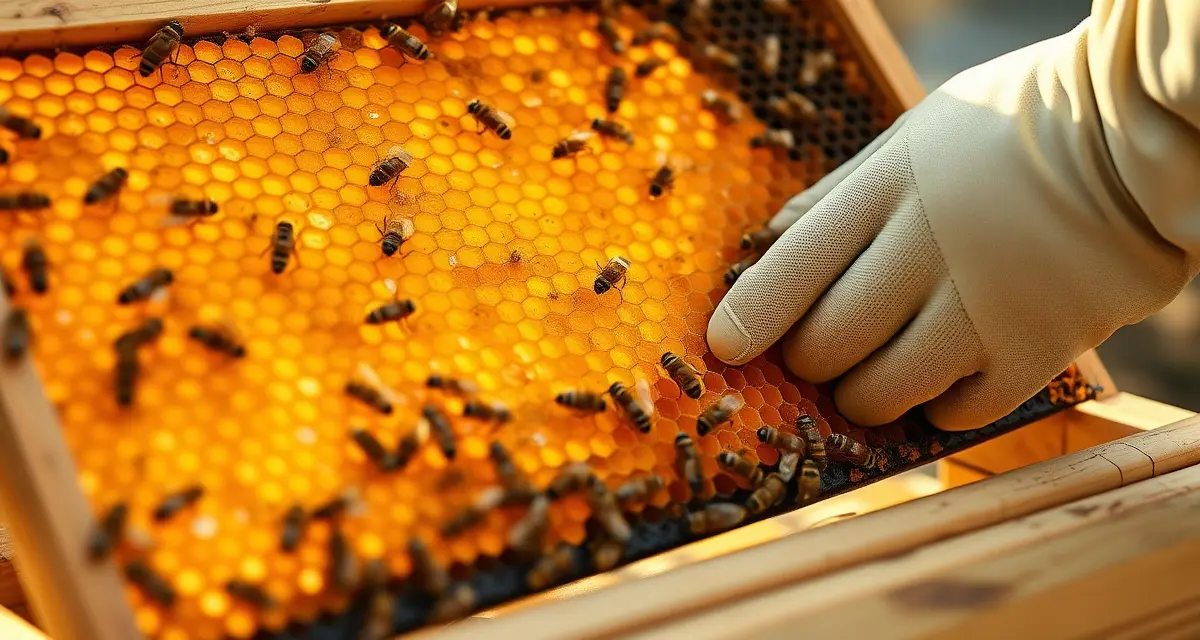
Varroa in Warré Hives: Monitoring and Treatment for Natural Beekeepers
Warré hive beekeeping attracts people who want to minimize their intervention in the colony's natural processes. The bottom-supering approach, the quilt box, and the natural comb construction all reflect a philosophy of working with the bees rather than managing them to maximize production. That philosophy is worth respecting.
What's also worth respecting is the data: studies of unmanaged Warré colonies in Europe show an average lifespan of 2-3 years before varroa collapse. That's not a condemnation of the Warré system. It's an argument for monitoring, even if you choose not to treat.
TL;DR
- This guide covers key aspects of varroa in warré hives: monitoring and treatment for natural
- Mite monitoring should happen at minimum every 3-4 weeks during active season
- The 2% threshold in spring/summer and 1% in fall are standard action points based on HBHC guidelines
- Always run a pre-treatment and post-treatment mite count to calculate efficacy
- Treatment records including product name, EPA number, dates, and counts are required for state inspection compliance
- VarroaVault stores all monitoring and treatment data with automatic threshold comparison and state export formatting
Why Warré Beekeepers Should Still Monitor
The argument some Warré beekeepers make against monitoring is that testing disturbs the colony and conflicts with the low-intervention philosophy. There's some validity to that concern, but the alternative, discovering a collapsed colony in spring, is far more disruptive to the bees than a single alcohol wash.
Monitoring without treating is a coherent strategy. You need to know if your colony is surviving varroa on its own genetic merit or slowly dying from it. Without counts, you can't tell the difference until it's too late to make any decision at all.
Regular mite counts let you:
- Know whether a colony genuinely has varroa resistance traits worth preserving
- Make an informed decision about whether to intervene or let natural selection proceed
- Recognize a failing colony early enough to requeen with more resistant stock if that's your preference
- Have real data if you want to participate in a treatment-free breeding program
VarroaVault's Warré hive profile supports monitoring-only mode, which tracks your count history without requiring treatment log entries. The data builds over time even if you never apply a treatment.
How to Monitor Varroa in a Warré Hive
The Warré hive's vertical stacking and natural comb make some monitoring methods harder than in a Langstroth. Here are your practical options:
Alcohol wash: The most accurate method. To sample from a Warré hive, you'll need to access the lower boxes where the brood nest lives. Warré boxes are smaller and the natural comb is fixed, so you're working carefully. Brush or shake bees from 2-3 combs near the brood nest edge into your sample container. Collect approximately 300 bees. Follow standard alcohol wash procedure.
sugar roll: Less disruptive if you prefer not to kill bees, but also less accurate. Collect approximately 300 bees in your collection tube, add powdered sugar, roll to coat, shake over a white board, and count the mites that fall out. Expect to miss some mites compared to an alcohol wash.
Sticky board mite drop: If your Warré has a screened bottom board, you can use a sticky board for passive monitoring. Insert for 24 hours, count the natural mite drop. Divide by 24 to get daily drop rate. This method correlates roughly with infestation percentage but requires more experience to interpret accurately.
The mite count tracking app stores your counts regardless of which method you use and lets you note the method used for each count.
Treatment Options for Warré Hives
If you decide to treat, oxalic acid products are generally the most compatible with the Warré philosophy because they're approved for organic production and have no synthetic chemical residues when used correctly.
OA dribble: Applied during a broodless period (natural swarm brood break or late fall/early winter). Dribble 5ml of 3.5% solution per 10 bees across the cluster. In a Warré hive, you'll apply across the top bars of the lower boxes where the cluster lives.
OA vaporization: Effective in Warré hives with sealed entrances during treatment. Position the vaporizer at the entrance and seal for the required treatment time.
Both methods work best during broodless conditions, which in a Warré context might occur naturally after a swarm event or in late fall.
Setting Up VarroaVault for a Warré Hive
When creating a hive profile, select "Warré" from the hive type dropdown. VarroaVault activates monitoring-only mode by default for Warré hives but still allows treatment logging if you choose to treat. The dose calculator adjusts for Warré box dimensions. Inspection templates use Warré-appropriate terminology.
Your count history is stored and tracked with the same trend graphs as any other hive type. If you're participating in a natural selection program and tracking which colonies survive, VarroaVault gives you the count data to support that assessment.
For more on what treatment-free monitoring involves and what the research actually shows about outcomes, see our guide on treatment-free beekeeper tools.
Frequently Asked Questions
Can I use OA treatment in a Warré hive?
Yes. Oxalic acid in both dribble and vaporization forms is compatible with Warré hives. The application method requires slight adaptation for the Warré box configuration, but the product itself works the same way. OA has no synthetic residues and is approved for organic-certified honey production, making it the most compatible chemical treatment option for Warré-style natural beekeeping.
How do I monitor varroa in a Warré hive?
The most accurate method is alcohol wash from the brood nest area. Access the lower boxes, brush or shake bees from 2-3 combs, and follow standard wash procedure. If you prefer not to kill bees, a sugar roll is less accurate but non-lethal. A screened bottom board sticky count is the least disruptive method but requires experience to interpret correctly.
Does VarroaVault support Warré hive configurations?
Yes. VarroaVault has a dedicated Warré hive profile that adjusts dose calculators, inspection templates, and terminology for the Warré configuration. The profile supports monitoring-only mode for beekeepers who track counts without logging chemical treatments, as well as full treatment logging for those who choose to intervene when colonies exceed threshold.
How do I know if my varroa treatment is working?
Run a mite count 2-4 weeks after the treatment ends and compare it to your pre-treatment count. The efficacy formula is: ((pre-count - post-count) / pre-count) x 100. A result above 90% indicates effective treatment. Results below 80% should trigger investigation for possible resistance, application error, or reinfestation. Log both counts in VarroaVault to track efficacy trends across treatment cycles.
How often should I check mite levels in my hives?
At minimum, once per month (every 3-4 weeks) during the active season. Increase to every 2 weeks when counts are near threshold or after a treatment to verify it worked. In fall, monitoring frequency matters most because the window to treat before winter bees are raised is narrow. VarroaVault's monitoring reminders can be set to your preferred interval for each apiary.
What records should I keep for varroa management?
Each record should include: date of count or treatment, hive identifier, monitoring method used, number of bees sampled, mites counted, infestation percentage, treatment product name and EPA registration number, dose applied, treatment start and end dates, and PHI end date. State apiarists typically expect this level of detail during inspections. VarroaVault captures all of these fields in a single log entry.
What is Varroa in Warré Hives: Monitoring and Treatment for Natural Beekeepers?
This is a practical guide for Warré hive beekeepers on monitoring and managing varroa mite infestations while respecting natural beekeeping principles. It covers mite counting methods suited to Warré-style hives, action thresholds based on HBHC guidelines (2% in spring/summer, 1% in fall), treatment options compatible with minimal-intervention philosophy, and record-keeping requirements for state inspection compliance. The guide bridges the gap between natural beekeeping values and the biological reality of varroa pressure.
How much does Varroa in Warré Hives: Monitoring and Treatment for Natural Beekeepers cost?
The guide itself is free to read on VarroaVault. The platform's monitoring and treatment tracking tools, which store your mite counts, compare them against thresholds automatically, and generate state-compliant inspection reports, are available through VarroaVault's subscription. Beekeeping treatments referenced in the guide vary in cost depending on product and colony count. There are no fees associated with accessing the educational content of this article.
How does Varroa in Warré Hives: Monitoring and Treatment for Natural Beekeepers work?
The guide walks you through varroa monitoring adapted to the Warré hive's unique structure, including alcohol wash and sugar roll methods that work within the bottom-supering system. You track mite loads every 3-4 weeks during active season, compare counts against standard thresholds, and decide whether to treat. If you treat, you run a post-treatment count to verify efficacy. VarroaVault logs each data point, flags threshold breaches, and formats records for state reporting.
What are the benefits of Varroa in Warré Hives: Monitoring and Treatment for Natural Beekeepers?
Monitoring gives Warré beekeepers early warning before mite loads reach colony-collapsing levels. Studies show unmanaged Warré colonies average just 2-3 years before varroa collapse, making data-informed decisions essential even for natural beekeepers. Benefits include extended colony lifespans, better treatment timing when intervention is chosen, pre/post-treatment efficacy verification, and legally compliant records. The approach lets you maintain your natural beekeeping philosophy while making choices grounded in actual mite pressure data.
Who needs Varroa in Warré Hives: Monitoring and Treatment for Natural Beekeepers?
This guide is for Warré hive beekeepers who prioritize low-intervention management but want to monitor colonies responsibly. It's especially relevant for natural beekeepers who have lost hives to varroa collapse and want a data-driven approach without abandoning their philosophy. It also suits hobbyist and sideliners in states with mandatory treatment record requirements, and anyone transitioning from conventional to Warré beekeeping who needs to adapt their existing varroa monitoring practices to the Warré system.
Sources
- American Beekeeping Federation (ABF)
- USDA ARS Bee Research Laboratory
- Honey Bee Health Coalition
- Penn State Extension Apiculture Program
- Project Apis m.
Get Started with VarroaVault
The information in this guide is most useful when you have your own mite count data to apply it to. VarroaVault stores every count, flags threshold crossings automatically, and builds the treatment history you need for state inspections and effective management decisions. See pricing and free tools at varroavault.com.