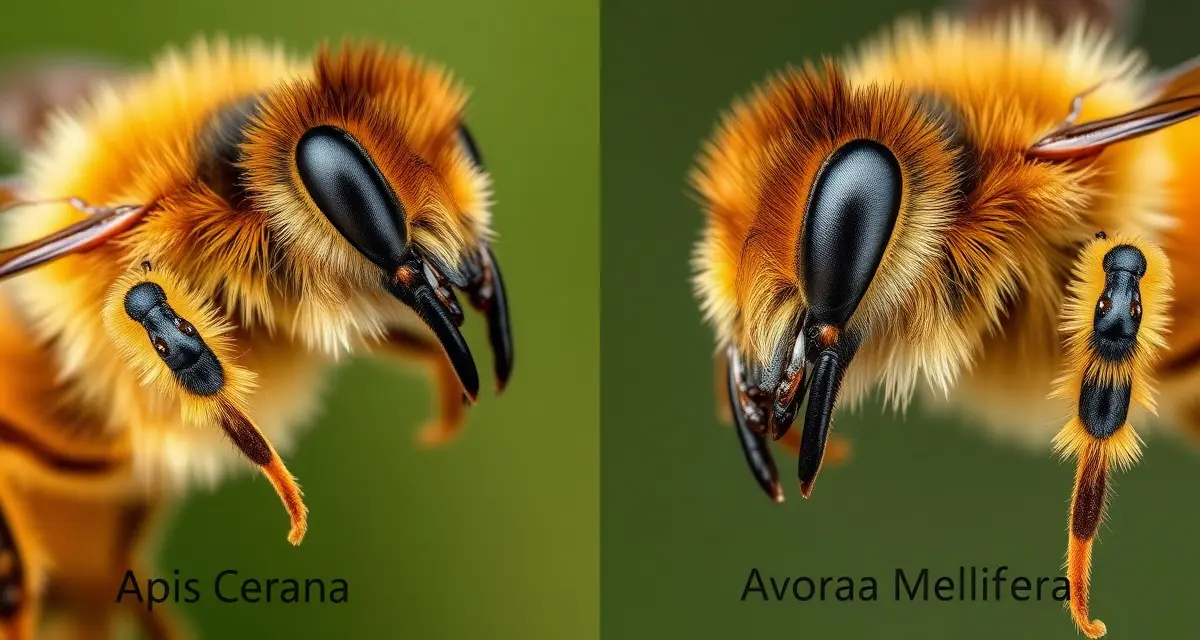
Varroa on Apis Cerana vs Apis Mellifera: Why One Lives and One Dies
The answer to why European honey bees need constant varroa management while Asian honey bees don't comes down to a single word: coevolution. Apis cerana bees can complete a mite-grooming behavior 10 times faster than Apis mellifera, preventing mite reproduction at the brood cell level. They didn't learn this. They evolved it over thousands of years of living with Varroa jacobsoni, the original varroa species that parasitizes Apis cerana exclusively.
The mite we manage today, Varroa destructor, made a host jump to Apis mellifera sometime in the 20th century, likely through exposure in Asian apiaries where European colonies were introduced. Apis mellifera had no evolutionary history with varroa. No behavioral defenses, no grooming responses calibrated to detect mites, no hygienic behavior tuned to remove infested cells. When varroa met Apis mellifera, it was a species with no immune defense encountering a pathogen it had never faced.
TL;DR
- This guide covers key aspects of varroa on apis cerana vs apis mellifera: why one lives and o
- Mite monitoring should happen at minimum every 3-4 weeks during active season
- The 2% threshold in spring/summer and 1% in fall are standard action points based on HBHC guidelines
- Always run a pre-treatment and post-treatment mite count to calculate efficacy
- Treatment records including product name, EPA number, dates, and counts are required for state inspection compliance
- VarroaVault stores all monitoring and treatment data with automatic threshold comparison and state export formatting
The Behavioral Defenses of Apis Cerana
Apis cerana colonies maintain varroa at sub-threshold levels through several coordinated behaviors:
Rapid grooming: Apis cerana workers detect phoretic mites on nestmates and remove them through biting and grooming. The grooming response in Apis cerana is faster and more precisely targeted at mite-sized stimuli than in Apis mellifera. When varroa triggers leg movement in Apis cerana workers, the grooming response activates within seconds. The same stimulus in Apis mellifera triggers a weaker, less targeted response.
Reproductive failure in drone brood: Varroa reproduces primarily in drone brood in both species. But in Apis cerana colonies, the proportion of viable offspring mites that successfully complete development is significantly lower than in Apis mellifera colonies. Researchers believe this is partly due to behavioral disruption by nurse bees who interfere with mite reproduction during capping.
Short capping duration: Apis cerana worker brood is capped for approximately 12 days versus 13 days for Apis mellifera workers. That single day matters: it reduces the window for mite reproduction and offspring development inside cells.
Hygienic behavior calibrated to varroa: Apis cerana worker bees can detect and remove mite-infested brood cells at rates far higher than Apis mellifera. Some research suggests Apis cerana detects chemical signals from infested cells that Apis mellifera largely cannot.
What This Means for Your Management
This biology explains why treatment-free beekeeping is viable in Apis cerana but not in most Apis mellifera populations. Apis cerana can maintain varroa at sub-threshold levels indefinitely through behavioral suppression. Apis mellifera cannot. Without management, most Apis mellifera colonies are dead within 2-3 years of varroa infestation in non-isolated environments.
It also explains why management cannot be delegated to bee behavior alone. Efforts to breed hygienic behavior into Apis mellifera have shown real results: Suppressed Mite Reproduction (SMR) bees, Varroa Sensitive Hygiene (VSH) bees, and locally adapted treatment-free survivor lines can show improved mite resistance. But even the best commercially available hygienic lines reduce mite growth rates rather than eliminate mite reproduction entirely. They buy time; they don't replace management.
The complete varroa management guide and the varroa mite biology guide both cover the practical implications of this biology for your management program. Understanding why your bees don't have the defenses Apis cerana does converts management from an optional task to an obvious necessity.
Frequently Asked Questions
How do Asian bees control varroa naturally?
Apis cerana uses at least four mechanisms: rapid grooming that removes phoretic mites from nestmates, hygienic behavior that detects and removes mite-infested cells, disrupted mite reproduction due to nurse bee interference during capping, and a slightly shorter brood capping period that reduces the mite's reproductive window. Together, these behaviors keep varroa populations at sub-threshold levels in Apis cerana colonies without chemical treatment. The effectiveness varies by colony and geographic location, but Apis cerana populations generally coexist with varroa without the population collapses seen in unmanaged Apis mellifera.
Can we breed Apis mellifera to behave like Apis cerana?
Partially, but not completely with current genetics. Varroa Sensitive Hygiene (VSH) breeding programs have produced Apis mellifera lines that can detect and remove mite-infested brood cells at significantly higher rates than standard populations. Some isolated treatment-free survivor colonies in North America and Europe show elevated grooming behavior scores. However, no currently available Apis mellifera breeding program produces colonies that match the natural varroa suppression of Apis cerana. The behavioral genetics are complex and involve traits that don't simply transfer between species. Treatment-free approaches using hygienic breeding work best in isolated populations where reinfestation is limited.
How does this science affect my management approach?
It means you shouldn't expect bees to manage themselves. Even hygienic lines need monitoring. The coevolution context also explains why the standard treatment thresholds (2% fall, 3% active season) exist: they're calibrated for a species that doesn't naturally suppress mite populations. Your job as a manager is to do what Apis mellifera cannot do for itself: detect mite load buildup and intervene with appropriate treatment before populations reach colony-threatening levels. VarroaVault's threshold alerts are built on this premise.
How do I know if my varroa treatment is working?
Run a mite count 2-4 weeks after the treatment ends and compare it to your pre-treatment count. The efficacy formula is: ((pre-count - post-count) / pre-count) x 100. A result above 90% indicates effective treatment. Results below 80% should trigger investigation for possible resistance, application error, or reinfestation. Log both counts in VarroaVault to track efficacy trends across treatment cycles.
How often should I check mite levels in my hives?
At minimum, once per month (every 3-4 weeks) during the active season. Increase to every 2 weeks when counts are near threshold or after a treatment to verify it worked. In fall, monitoring frequency matters most because the window to treat before winter bees are raised is narrow. VarroaVault's monitoring reminders can be set to your preferred interval for each apiary.
What records should I keep for varroa management?
Each record should include: date of count or treatment, hive identifier, monitoring method used, number of bees sampled, mites counted, infestation percentage, treatment product name and EPA registration number, dose applied, treatment start and end dates, and PHI end date. State apiarists typically expect this level of detail during inspections. VarroaVault captures all of these fields in a single log entry.
What is Varroa on Apis Cerana vs Apis Mellifera: Why One Lives and One Dies?
This article explains why Apis cerana (Asian honey bees) survive Varroa mite infestations naturally while Apis mellifera (European honey bees) require constant human intervention. The core reason is coevolution: Apis cerana developed grooming and hygienic behaviors over thousands of years alongside Varroa jacobsoni, while Apis mellifera had no evolutionary exposure before Varroa destructor made a host jump in the 20th century, leaving them with no innate defenses.
How much does Varroa on Apis Cerana vs Apis Mellifera: Why One Lives and One Dies cost?
There is no cost to understanding the biology covered in this article. However, managing varroa in Apis mellifera colonies carries real expenses: monitoring supplies (alcohol wash kits, sticky boards) run $10–$30, while approved treatments such as oxalic acid, ApiVar, or Apilife VAR typically cost $15–$60 per treatment depending on colony count. Unmanaged infestations cost far more through colony loss.
How does Varroa on Apis Cerana vs Apis Mellifera: Why One Lives and One Dies work?
Apis cerana survives by grooming mites off nestmates up to 10 times faster than Apis mellifera, and by expressing hygienic behavior that detects and removes mite-infested brood cells before reproduction completes. Varroa destructor cannot complete its reproductive cycle reliably in Apis cerana colonies. In Apis mellifera, mites reproduce unchecked inside capped brood cells because the bees lack the behavioral triggers to detect or remove them.
What are the benefits of Varroa on Apis Cerana vs Apis Mellifera: Why One Lives and One Dies?
Understanding this coevolutionary divide helps beekeepers make smarter management decisions. It explains why treatment thresholds matter, why some breeding programs targeting hygienic behavior show promise, and why varroa will never be "solved" without changing bee genetics or management systems. It also provides context for why Varroa destructor is uniquely devastating and why monitoring every 3–4 weeks during active season is non-negotiable for Apis mellifera keepers.
Who needs Varroa on Apis Cerana vs Apis Mellifera: Why One Lives and One Dies?
Any beekeeper keeping Apis mellifera colonies needs this knowledge as foundational context for varroa management. It is especially relevant for new beekeepers trying to understand why their bees cannot fight mites naturally, for experienced beekeepers evaluating locally adapted or hygienic stock, and for researchers or hobbyists interested in integrated pest management. Knowing the biological root cause helps set realistic expectations and motivates consistent monitoring and treatment.
Related Articles
- Deformed Wing Virus: How to Recognize It and What It Means for Your Mite Program
- How One Beekeeper Stopped Losing Hives to Varroa: A Case Study
- How to Calculate Varroa Mite Infestation Rate: Step-by-Step
Sources
- American Beekeeping Federation (ABF)
- USDA ARS Bee Research Laboratory
- Honey Bee Health Coalition
- Penn State Extension Apiculture Program
- Project Apis m.
Get Started with VarroaVault
The information in this guide is most useful when you have your own mite count data to apply it to. VarroaVault stores every count, flags threshold crossings automatically, and builds the treatment history you need for state inspections and effective management decisions. See pricing and free tools at varroavault.com.