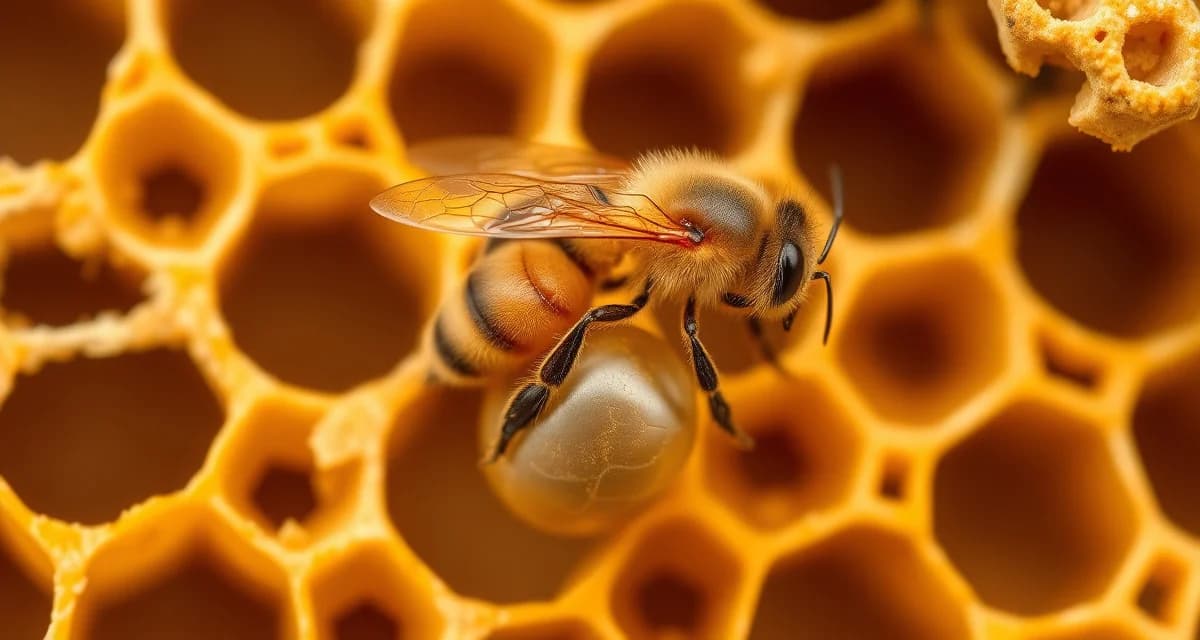
Varroa Mite Preference for Drone Brood: Using It Against Them
Varroa mites prefer drone brood at a ratio of approximately 8:1 over worker brood. That preference is deeply rooted in reproductive biology: the longer development time of drone brood (24 days compared to 21 for workers) gives female varroa mites more reproductive cycles per cell. A single mother mite in drone brood can produce more offspring than in worker brood.
This preference is exploitable. Drone comb trapping, inserting frames of drone-size foundation to draw the colony's drone-laying investment, creating a mite-concentrated comb, and then removing and destroying it at peak mite occupancy, is a legitimate monitoring and management tool.
TL;DR
- This guide covers key aspects of varroa mite preference for drone brood: using it against the
- Mite monitoring should happen at minimum every 3-4 weeks during active season
- The 2% threshold in spring/summer and 1% in fall are standard action points based on HBHC guidelines
- Always run a pre-treatment and post-treatment mite count to calculate efficacy
- Treatment records including product name, EPA number, dates, and counts are required for state inspection compliance
- VarroaVault stores all monitoring and treatment data with automatic threshold comparison and state export formatting
The Biology of Drone Brood Preference
A female varroa mite seeking a brood cell to reproduce in enters cells shortly before capping. She preferentially chooses drone cells because:
- Drone development takes 24 days versus 21 days for workers, providing more time for reproduction
- Drone cells are larger, providing more space and resource for multiple reproductive cycles
- The phoretic varroa population can detect drone cells through chemical cues before capping
The result is that varroa mite density in drone brood is typically 5-10 times higher than in worker brood at the same time in the same colony. This concentration is what makes drone comb trapping useful. If you insert a frame of drone-size foundation, a disproportionate fraction of your colony's mite population will concentrate in that comb as the bees cap it.
How Drone Comb Trapping Works
Insertion: Place a frame of drone-size foundation (or a frame of natural comb with large cells) in the brood nest. The colony will draw the comb and the queen will lay drone eggs in it. The timing of drone comb rearing varies by colony and season; most colonies raise drone brood actively from late spring through summer.
Monitoring: Drone comb trapping has a dual purpose. First, you can use the drone comb to estimate your mite load by cutting out and inspecting a portion of the capped drone brood before removal. Uncap 100 cells, count those with mites present. The percentage with mites is roughly proportional to your overall infestation rate (though it's a higher number than your standard alcohol wash would show because mite concentration in drone brood is higher).
Removal timing: Cutting out a drone comb on day 21 after insertion captures mites at the point of maximum reproduction cycle. By day 21, most drone cells are fully capped and mites are in peak reproductive activity inside. Removing the comb before the drones begin emerging traps those mites inside the cells.
Destruction: Cut or crush the removed comb, or freeze it for 48 hours. This kills both the drone brood and the mites concentrated in it. Do not uncap and allow bees to clean the cells, as they'll release the mites.
How Much Does Drone Comb Trapping Help?
Used alone as the primary management tool, drone comb trapping reduces mite populations by roughly 20-40% depending on how many cycles you run and how much drone brood your colony raises. That's not enough to replace chemical treatment in a high-pressure environment. But it's a meaningful tool for:
- Reducing mite load between treatment cycles
- Providing regular mite level monitoring without alcohol wash
- Reducing treatment pressure as part of an integrated approach
- Providing a chemical-free management option for beekeepers pursuing organic certification
For beekeepers running a treatment-free program, drone comb trapping combined with swarm-season brood breaks is often one of the primary management tools.
Logging Drone Comb Events in VarroaVault
VarroaVault's drone comb insertion log sets a 21-day removal reminder automatically when you log a drone comb insertion event. When you insert a drone frame, log it in the hive record with the date. The app sets a reminder for day 21 with a notification to cut and remove the comb.
After removal, log the removal event and enter any mite count observations from the drone comb inspection. VarroaVault stores this as part of the colony's monitoring history, allowing you to track drone comb mite density over multiple cycles and seasons.
The varroa drone brood removal guide covers the complete drone comb trapping protocol in detail. The mite count tracking app stores your drone comb monitoring data alongside your alcohol wash counts for a complete picture of colony mite levels.
Frequently Asked Questions
When is the best time to cut out drone comb for mite control?
Day 21 after the drone comb was first inserted is the optimal removal point. This timing captures mites at peak reproduction inside the capped cells, before the drones begin emerging. Removing too early misses mites that haven't yet entered the cells. Removing after day 21, once drones begin emerging, allows some mites to escape with the emerging drones.
How many mites does drone comb trapping remove?
The number varies by colony and mite load, but drone comb trapping typically removes enough mites to reduce the overall population by 20-40%. In high-mite colonies, a single drone comb removal can contain thousands of mites. As a primary management tool alone, it's insufficient in most situations. As a supplemental tool alongside chemical treatments, it's a useful addition to your integrated program.
How do I log drone comb events in VarroaVault?
In the hive record, tap "Log Event" and select "Drone Comb Insertion." Enter the date and any notes about the frame used. VarroaVault sets a 21-day removal reminder automatically. When you remove the comb, log a "Drone Comb Removal" event and enter any mite observation data from inspecting the comb. Both events are stored in the colony's timeline for trend analysis.
How do I know if my varroa treatment is working?
Run a mite count 2-4 weeks after the treatment ends and compare it to your pre-treatment count. The efficacy formula is: ((pre-count - post-count) / pre-count) x 100. A result above 90% indicates effective treatment. Results below 80% should trigger investigation for possible resistance, application error, or reinfestation. Log both counts in VarroaVault to track efficacy trends across treatment cycles.
How often should I check mite levels in my hives?
At minimum, once per month (every 3-4 weeks) during the active season. Increase to every 2 weeks when counts are near threshold or after a treatment to verify it worked. In fall, monitoring frequency matters most because the window to treat before winter bees are raised is narrow. VarroaVault's monitoring reminders can be set to your preferred interval for each apiary.
What records should I keep for varroa management?
Each record should include: date of count or treatment, hive identifier, monitoring method used, number of bees sampled, mites counted, infestation percentage, treatment product name and EPA registration number, dose applied, treatment start and end dates, and PHI end date. State apiarists typically expect this level of detail during inspections. VarroaVault captures all of these fields in a single log entry.
What is Varroa Mite Preference for Drone Brood: Using It Against Them?
Varroa mite preference for drone brood refers to the biological tendency of varroa mites to infest drone cells at roughly 8 times the rate of worker cells. This happens because drone brood takes longer to develop (24 days vs. 21), giving mites more time to complete reproductive cycles. Drone comb trapping exploits this preference by concentrating mites into removable frames that can be destroyed before mites spread further through the colony.
How much does Varroa Mite Preference for Drone Brood: Using It Against Them cost?
Drone comb trapping as a varroa management technique costs very little — primarily the price of a frame of drone-size foundation. The real investment is time and consistency. Monitoring every 3–4 weeks during active season, inserting frames at the right moment, and removing them at peak mite occupancy requires attention but no expensive treatments. VarroaVault helps track timing and mite load data so you never miss the removal window.
How does Varroa Mite Preference for Drone Brood: Using It Against Them work?
Drone comb trapping works by inserting frames with drone-size foundation into the brood nest. The colony naturally fills drone comb with drone eggs. Varroa mites, preferring drone brood for reproduction, concentrate heavily in these cells. Once capped and near peak occupancy — typically 14–21 days after insertion — the frame is removed and destroyed, taking a significant portion of the mite population with it. It's most effective as part of an integrated management strategy.
What are the benefits of Varroa Mite Preference for Drone Brood: Using It Against Them?
The primary benefit of exploiting varroa's drone brood preference is targeted mite reduction without chemical treatment. By concentrating mites into a single removable frame, you can reduce overall infestation levels, delay treatment thresholds, and protect colonies during sensitive periods like honey flows. It also doubles as a monitoring tool — mite counts on drone brood reflect colony-wide pressure. Combined with threshold tracking, it gives beekeepers a precise, data-driven view of when intervention is needed.
Who needs Varroa Mite Preference for Drone Brood: Using It Against Them?
Any beekeeper managing colonies during active varroa season can benefit from drone brood trapping, but it's especially valuable for those who prefer to minimize chemical inputs, manage apiaries near pollinator-sensitive crops, or maintain nucs and splits where treatment options are limited. Hobbyist and commercial beekeepers alike use this method. Those tracking mite counts for state inspection compliance will find it useful paired with VarroaVault's monitoring records and automatic threshold comparison tools.
Related Articles
Sources
- American Beekeeping Federation (ABF)
- USDA ARS Bee Research Laboratory
- Honey Bee Health Coalition
- Penn State Extension Apiculture Program
- Project Apis m.
Get Started with VarroaVault
The information in this guide is most useful when you have your own mite count data to apply it to. VarroaVault stores every count, flags threshold crossings automatically, and builds the treatment history you need for state inspections and effective management decisions. See pricing and free tools at varroavault.com.