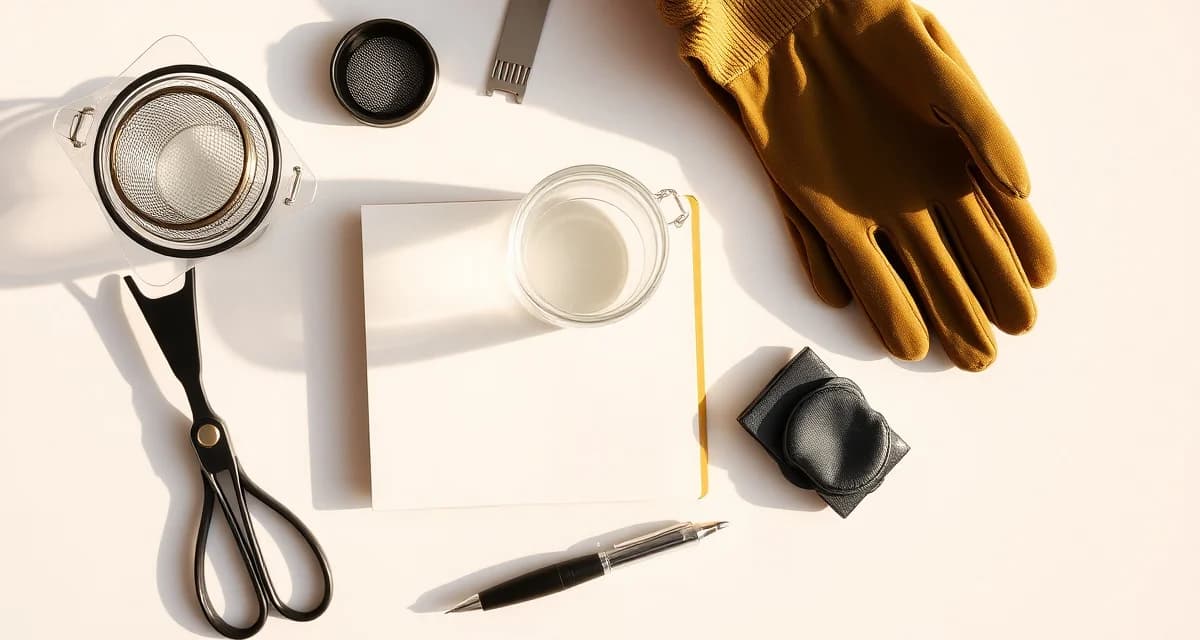
Varroa Mite Inspection Tools: What You Need for Monitoring
The total cost of basic varroa monitoring equipment is under $15 and is reusable for every count throughout the season. The barrier to monitoring is not equipment cost -- it's knowing exactly what you need and having the habit of bringing it to the apiary.
This guide covers the complete equipment list for an alcohol wash, how to assemble it from either purpose-built products or household items, and what you'll need beyond the wash equipment for a full monitoring session.
TL;DR
- Most US states require apiaries to maintain varroa treatment records available for inspection on request
- Records must include: product name, EPA registration number, application date, hive ID, and applicant name
- Commercial operations with pollination contracts may face additional compliance documentation requirements
- USDA APHIS has increased attention on treatment resistance management as part of honey bee health initiatives
- Digital records with timestamping and audit trails meet higher evidentiary standards than handwritten notebooks
- VarroaVault generates formatted PDF exports suitable for state apiarist inspections in under 60 seconds
The Core Equipment: Alcohol Wash
An alcohol wash is the most accurate monitoring method available to hobby and small commercial beekeepers, with roughly 95% confidence in threshold detection when done with a full 300-bee sample. Here's what you need:
Item 1: A Mite Washing Container
You need a container with two chambers: one for the bees and alcohol, one for the mites and alcohol to drain into.
Purpose-built option: The BEEKEEPER Mite Washer (or equivalent commercial bee wash kit) costs $15-20 and consists of a lidded jar with a mesh screen insert. You add bees and alcohol to the jar, shake, then tilt or pour to let mites drain through the screen into the lower chamber. Clean, simple, and designed specifically for the task.
Household substitute: A wide-mouth mason jar (pint size) with a piece of 1/8-inch mesh hardware cloth cut to fit over the opening, secured with the jar ring. To use: fill the jar with bees and alcohol, shake, then invert into a second container with the mesh catching the bees. The mites fall through.
Either option works equally well. The purpose-built tool is more convenient; the DIY version costs under $3.
Item 2: Isopropyl Alcohol
At least 70% concentration -- available at any pharmacy for under $5. Higher concentration (91% or 99%) is also fine; it doesn't improve efficacy but won't harm your results.
How much you need per count: About 1-2 cups per wash. You'll use more if you're shaking multiple times. A 16-oz bottle of 70% isopropyl covers 8-10 individual colony washes.
Can you substitute? Soapy water (a few drops of dish soap in water) works for dislodging mites but requires a longer soak time and produces results about 10-15% less accurate than alcohol. It's an acceptable substitute if you run out of alcohol unexpectedly, but stock alcohol for routine monitoring.
Item 3: A Measuring Cup or Scoop for Bees
You need to collect approximately 300 bees. The standard estimate is a half-cup (roughly 1/2 US cup) of bees = approximately 300 workers. A standard 1/2-cup measuring cup works perfectly.
Alternative: A mite wash kit often includes a marked sampling cup. Some beekeepers use a marked jar cap or a plastic cup with a line drawn at the half-cup mark. The precision doesn't need to be perfect -- a rough half-cup is sufficient.
Item 4: A White Counting Tray
After the wash, you need to count mites in the rinse liquid. White background makes mites (which are reddish-brown and very small) visible. Options:
- White paper plate (simplest -- $1 for a stack)
- White plastic bin or tray (reusable, $2-5 at any dollar store)
- The base of a commercial mite wash kit (usually white for this reason)
- A piece of white cardboard or foam board
Pour your mite-containing alcohol onto the white surface and count under good light. Adding a small amount of water to the rinse liquid helps if the alcohol evaporates too fast in hot weather.
Item 5: A Timer
You need to shake the jar for 60 seconds. Your phone works fine. The 60-second shake is important -- less shaking produces lower mite counts because fewer mites dislodge from the bees.
Item 6: Lighting
For accurate mite counting, you need good lighting. Daylight is usually sufficient if you're working in direct sun or bright shade. For overcast days or when counting indoors, a headlamp or phone flashlight pointed at the white tray makes small mites visible.
Recording Equipment
Item 7: Something to Record Results
You'll record the count date, hive ID, bee count, mite count, and calculated percentage.
Paper option: A waterproof field notebook (Rite-in-the-Rain brand is designed to hold up to wet hands and damp conditions) or a laminated recording sheet. Pencil holds up better than pen in wet conditions.
App option: VarroaVault on your phone. Log the count directly at the hive while the numbers are fresh. The app calculates the percentage for you and updates your trend data immediately.
Optional But Useful Equipment
Bee-Tight Collection Bag or Cup
Some beekeepers prefer to collect bees directly into a measuring cup at the hive, then transfer to the wash jar. A cup with a plastic mesh lid makes this cleaner and prevents bees from escaping.
Cooler or Shaded Container
In hot weather, bees in an alcohol jar can become disoriented and agitated quickly. Working in the shade or keeping your wash equipment in a cooler helps. This is more comfort than necessity, but it makes the process cleaner.
Disposable Gloves
Isopropyl alcohol dries your hands quickly. Nitrile gloves keep the alcohol off your skin and make cleanup easier. Optional but appreciated by beekeepers who do many counts per session.
Refractometer (Optional)
Not relevant to mite counting, but often carried during hive inspections. If you're making a full inspection day of it, a refractometer for checking honey moisture content is a useful companion tool.
What You Do NOT Need
A microscope: You don't need to identify individual mites under magnification for a standard alcohol wash count. Varroa mites are visible to the naked eye -- they're about 1.5mm wide, reddish-brown, and distinctly oval. Under good light on a white background, a count of 5-6 mites is plainly visible without any magnification.
Specialized counting devices: Some commercial products advertise automated or digital mite counting. These range from useful to gimmick. For counts with under 20 mites, manual counting on a white tray takes 30 seconds and is completely accurate.
Special protective equipment: For a standard alcohol wash, you don't need a respirator or special PPE beyond your standard beekeeping suit and gloves. Isopropyl alcohol at 70% is safe to handle with bare hands but dries skin; gloves are a comfort choice.
VarroaVault prompts you to confirm you have all required monitoring equipment before your first count entry. The how to do a mite wash guide walks through the full procedure step-by-step. The first year beekeeper varroa guide covers monitoring in the context of a complete year-one protocol.
Frequently Asked Questions
What equipment do I need to start monitoring for varroa?
The minimum equipment list: a wide-mouth jar with a mesh screen insert (or a commercial mite wash kit), isopropyl alcohol at 70% or higher, a half-cup measuring scoop for bee collection, a white plate or tray for mite counting, and a timer. Total cost is under $15 if you use household substitutes (mason jar, mesh hardware cloth, measuring cup, paper plates, phone timer). Optional but useful: nitrile gloves, a field notebook or phone app for recording results, and good lighting. That's the complete kit for an alcohol wash count.
Can I use household items for a mite wash?
Yes. A wide-mouth pint mason jar with a piece of 1/8-inch mesh hardware cloth held in place by the jar ring works as well as a purpose-built mite wash kit. A standard half-cup measuring cup works for bee collection. A white paper plate works for counting. 70% isopropyl alcohol from any pharmacy is exactly what you need. The only item worth purchasing purpose-built is the mesh insert for the jar -- it makes the pour-through step much cleaner. A hardware cloth substitute works but requires more careful handling to avoid spilling bees.
Does VarroaVault require any special equipment to use?
No. VarroaVault is a phone-based app that works with any smartphone. When you log a count, you enter the number of bees sampled and the number of mites found, and VarroaVault calculates the percentage automatically. No special counting equipment is required beyond the basic mite wash tools (jar, alcohol, white tray). VarroaVault does support integrations with digital counting tools and hive scales if you have that equipment, but the app's core functionality works with the standard manual alcohol wash protocol and nothing else.
How do I know if my varroa treatment is working?
Run a mite count 2-4 weeks after the treatment ends and compare it to your pre-treatment count. The efficacy formula is: ((pre-count - post-count) / pre-count) x 100. A result above 90% indicates effective treatment. Results below 80% should trigger investigation for possible resistance, application error, or reinfestation. Log both counts in VarroaVault to track efficacy trends across treatment cycles.
How often should I check mite levels in my hives?
At minimum, once per month (every 3-4 weeks) during the active season. Increase to every 2 weeks when counts are near threshold or after a treatment to verify it worked. In fall, monitoring frequency matters most because the window to treat before winter bees are raised is narrow. VarroaVault's monitoring reminders can be set to your preferred interval for each apiary.
What records should I keep for varroa management?
Each record should include: date of count or treatment, hive identifier, monitoring method used, number of bees sampled, mites counted, infestation percentage, treatment product name and EPA registration number, dose applied, treatment start and end dates, and PHI end date. State apiarists typically expect this level of detail during inspections. VarroaVault captures all of these fields in a single log entry.
What is Varroa Mite Inspection Tools: What You Need for Monitoring?
Varroa mite inspection tools are the equipment beekeepers use to monitor mite loads in their colonies. The most important method is the alcohol wash, which requires a few simple items to collect and count mites from a bee sample. This guide covers everything you need—from purpose-built products to household substitutes—so you can conduct accurate, consistent varroa counts throughout the season and make informed treatment decisions before mite levels become dangerous.
How much does Varroa Mite Inspection Tools: What You Need for Monitoring cost?
Basic varroa monitoring equipment costs under $15 total and is fully reusable season after season. You likely already own several of the required items. The low cost means the real barrier to regular monitoring isn't financial—it's building the habit of bringing your kit to the apiary and counting on a consistent schedule. Compared to the cost of losing a colony or purchasing treatments reactively, investing in a simple monitoring setup is one of the highest-return actions a beekeeper can take.
How does Varroa Mite Inspection Tools: What You Need for Monitoring work?
An alcohol wash works by dissolving the sticky pads on varroa mites' legs, causing them to detach from bees and fall to the bottom of a jar for counting. You collect roughly 300 bees (about half a cup) from the brood nest, submerge them in isopropyl alcohol, shake vigorously, and strain the liquid through a mesh lid. The mite count divided by bee count gives your infestation rate, which you compare against established treatment thresholds to decide whether intervention is needed.
What are the benefits of Varroa Mite Inspection Tools: What You Need for Monitoring?
Regular varroa monitoring gives beekeepers the data needed to treat at the right time—before mite levels crash a colony—rather than guessing or treating on a fixed calendar schedule. Accurate counts help you avoid unnecessary treatments, slow resistance development, and meet state record-keeping requirements. Colonies monitored consistently survive at higher rates. Using a tool like VarroaVault to log results also produces formatted inspection-ready reports, keeping you compliant with state apiarist documentation requirements without extra paperwork effort.
Who needs Varroa Mite Inspection Tools: What You Need for Monitoring?
Any beekeeper managing one or more colonies benefits from having a varroa monitoring kit. Hobbyists with a single hive need it just as much as sideliners or commercial operators—varroa doesn't spare small apiaries. New beekeepers especially benefit from starting the monitoring habit early, before they've experienced a collapse. Commercial operations with pollination contracts or USDA oversight face additional compliance incentives. If your bees have brood, you have varroa, and you need a way to measure it.
Related Articles
Sources
- American Beekeeping Federation (ABF)
- USDA ARS Bee Research Laboratory
- Honey Bee Health Coalition
- Penn State Extension Apiculture Program
- Project Apis m.
Get Started with VarroaVault
The information in this guide is most useful when you have your own mite count data to apply it to. VarroaVault stores every count, flags threshold crossings automatically, and builds the treatment history you need for state inspections and effective management decisions. See pricing and free tools at varroavault.com.